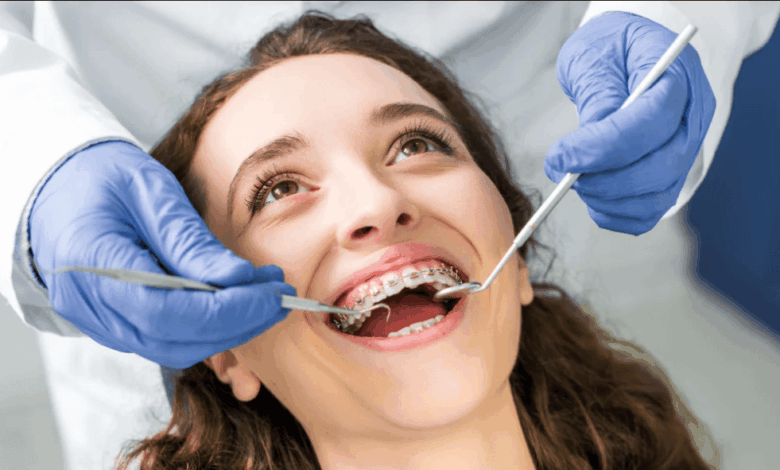
In dental practices, the safety and hygiene of staff and patients are paramount. In recent years, the use of nitrile gloves has become widespread in the industry, positioned at the frontline of defence against cross-contamination and infection control. This article explores the significance of nitrile gloves within dental settings, highlighting their advantages, usage, and role in upholding the strict sanitary regulations integral to the profession.
Understanding Nitrile Gloves
Nitrile gloves are a type of disposable glove made from synthetic rubber, which is a suitable alternative for individuals allergic to latex. They are known for their high level of sensitivity, comfort, and protection against chemicals and punctures, making them highly sought after in various healthcare sectors, particularly dentistry.
Their resistance to oils and acids also makes them highly durable in different procedural environments. Notably, they are puncture-resistant compared to their latex counterparts, providing dental professionals with the confidence they need when handling sharp instruments.




Advantages of Nitrile Gloves in Dentistry
The adoption of nitrile gloves in dental clinics offers several advantages. Firstly, their hypoallergenic nature reduces the risk of allergic reactions, both in dental staff and patients who may have sensitivities to latex. The protection nitrile gloves offer extends beyond personal safety to include maintaining stringent hygiene standards necessary in dental care environments.
Additionally, these gloves have excellent tactile sensitivity and flexibility, critical for dental procedures that require precision and a delicate touch. Their robust structure provides assurance against the possibility of tears and punctures that could compromise sterility during intricate dental work.
See also: Peptide Therapy: Revolutionizing Health and Wellness
Barrier against Pathogens
In any healthcare setting, including dentistry, the barrier protection gloves offer is crucial. Nitrile gloves act as a protective layer, preventing the transmission of pathogens between the dental practitioner and the patient. In an environment where exposure to bloodborne pathogens is a real concern, the integrity of the glove material is of the utmost importance.
These gloves reduce the chance of cross-contamination between patients and are an indispensable tool during routine cleanings, surgical procedures, and examination of oral diseases.
Enhancing Patient Trust
From a patient’s perspective, seeing their dental health professionals wear gloves can enhance their trust in the care they are receiving. It indicates a commitment to health and safety standards, forming part of the overall patient experience. These visual cues of professionalism within the practice can make a significant difference in how patients perceive the quality of care.
Nitrile Gloves in Dental Hygiene and Care
Within the dental industry, hygiene is not negotiable. Every surface, instrument, and point of contact with the patient is scrutinised for potential contamination. Nitrile gloves serve as an important hygiene tool, used by dentists, dental nurses, and hygienists alike.
During dental cleanings, procedures, and oral surgeries, the ability to discard gloves after each patient prevents the spread of germs and ensures that each new patient is treated in a clean environment. This practice aligns with the high standards set by health regulatory bodies for cleanliness in dentistry.
Selection and Usage of Nitrile Gloves
Dental professionals must select the appropriate size and type of nitrile gloves to ensure effectiveness and comfort over long periods of use. Practices might have various sizes and thicknesses on hand to accommodate different staff members and types of procedures. Proper glove usage includes washing hands prior to donning and avoiding contact with contaminated surfaces after the gloves are on.
Ultimately, the correct selection and use of nitrile gloves in dentistry are instrumental in minimising the risk of infection, ensuring a sterile environment, and maintaining the highest standards of patient care.
Disposal and Environmental Considerations
Typically designed for single use, nitrile gloves in dentistry necessitate responsible disposal protocols. Due to their composition, these gloves are not biodegradable, which presents a challenge regarding environmental impact. Dental practices must adhere to waste disposal regulations to mitigate the environmental aspects while maintaining health and safety priorities.
Research into eco-friendly alternatives and recycling programs for nitrile gloves is ongoing, with the dental industry poised to adapt to more sustainable practices as solutions become available.
Conclusion
The role of nitrile gloves in dentistry is multifaceted, encompassing protection, comfort, and hygiene. They form an essential component of personal protective equipment for dental professionals, ensuring both patient and practitioner safety. Despite the environmental concerns associated with disposable gloves, their integration into the dental practice remains a staple of modern dental care due to their unmatched benefits in preserving the health and hygiene standards essential to the industry.
As advancements continue, the dental community remains vigilant, constantly seeking improved solutions. Nonetheless, nitrile gloves will continue to serve as indispensable assets in dentistry, safeguarding against the spread of infectious diseases while establishing a positive and professional atmosphere for both staff and patients.