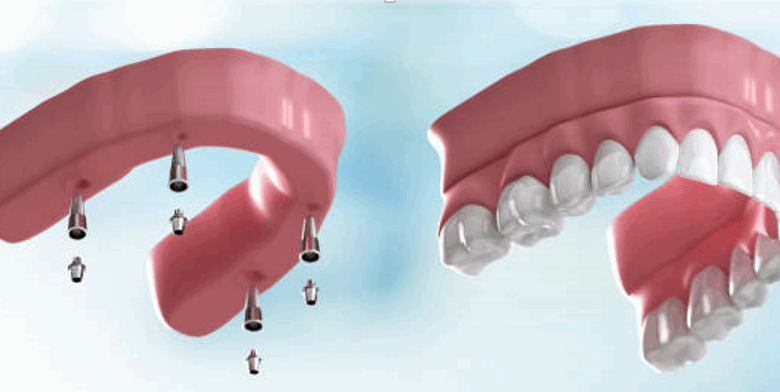
Tooth implants revolutionised the field of modern dentistry, presenting a natural and enduring solution to tooth loss. Behind this technology is a biological process called osseointegration—a medical and scientific marvel that enables the integration of titanium implants with human bone. So what is osseointegration, and how does it work? This article delves deeply into the science behind the procedure and explains why it’s so crucial to the success of dental implants Perth and how it ensures oral health in the long run.
What Is Osseointegration?
“Osseointegration” is derived from the Latin words “os” (meaning “bone”) and “integrate” (meaning “to make whole”). It refers to the direct structural and functional connection between living bone and the surface of a load-bearing artificial implant. When successful, this biological bond is so strong that the implant becomes part of the jawbone.
Per-Ingvar Brånemark, a Swedish orthopaedic surgeon, is credited with developing the concept of osseointegration in the 1950s. While doing studies with titanium in rabbit bones, he discovered that the metal was so thoroughly bonded with the bone that it could not be removed. This discovery established the foundation for current dental implants Brisbane.




See also: Carvalevadopa: Carvalevadopa: a Journey Into Digital Health
The Role of Titanium in Osseointegration
Titanium plays a central role in the osseointegration process. But why titanium? Here are the key reasons:
1. Biocompatibility
Titanium is one of the most biocompatible materials used in medical and dental applications. The body does not recognise titanium as a foreign substance, which prevents rejection or inflammation around the implant site.
2. Corrosion Resistance
Titanium resists corrosion from bodily fluids, maintaining its integrity over time. This is vital for long-term success in the moist, bacteria-rich environment of the mouth.
3. Surface Oxide Layer
Titanium naturally forms a thin, passive layer of titanium dioxide (TiO₂) on its surface. This oxide layer promotes bone cell adhesion and encourages bone growth, which is essential for osseointegration.
The Stages of Osseointegration
Osseointegration is not instantaneous. It is a complex biological process that unfolds over several stages, typically taking 3 to 6 months for complete integration.
1. Initial Stability (Mechanical Phase)
Immediately after placement, the implant is secured in position by mechanical retention—essentially, it’s screwed into the jawbone. This is the foundation upon which biological integration will build.
2. Inflammatory Response (0–7 Days)
A mild inflammatory response occurs, which is a regular part of the healing process. White blood cells clear debris and prepare the site for tissue regeneration.
3. Cellular Proliferation (1–4 Weeks)
Bone-forming cells (osteoblasts) migrate to the implant surface and begin depositing new bone. At the same time, old or damaged bone is resorbed by osteoclasts. This balanced cycle helps shape the bone-implant interface.
4. Matrix Formation and Mineralization (1–3 Months)
A new bone matrix is laid down and begins to mineralise. Collagen fibres and calcium phosphate crystals harden the structure, reinforcing the bond.
5. Bone Remodeling and Maturation (3–6 Months)
This final stage involves continuous bone remodelling. Over time, the bone adapts to the functional stresses of chewing, fully anchoring the implant in place.
Microscopic View: What Happens at the Bone-Implant Interface?
At the microscopic level, osseointegration involves a complex interplay of cells, signalling molecules, and mechanical forces.
1. Protein adsorption
Within seconds of implant implantation, proteins from blood plasma adhere to the titanium surface. These proteins work as signalling molecules that recruit bone cells.
2. Cellular Adhesion
Osteoblasts (bone-building cells) connect to the protein layer and begin producing bone matrix. These cells “sense” the titanium’s surface topography and respond appropriately.
3. Bone Matrix Deposition
The cells deposit collagen and other structural proteins, which serve as a scaffold for mineral deposition. Over time, these proteins are mineralised with hydroxyapatite—a calcium phosphate crystal that gives bones their hardness.
4. Formation of a Direct Contact Zone
Unlike fibrous tissue healing, where a layer of soft tissue might form between the implant and bone, successful osseointegration involves direct bone-to-implant contact (BIC). This is the gold standard in implant dentistry.
Surface Modifications to Improve Osseointegration
Although titanium is inherently conducive to osseointegration, modern implant technology often enhances its surface to boost bone bonding further.
1. Roughened Surfaces
Implants are often sandblasted or acid-etched to create micro-rough surfaces. These microscopic pits increase surface area and improve mechanical interlocking with bone.
2. Nano-Coatings
Some implants are treated with nanostructures or bioactive coatings such as calcium phosphate, which mimic the composition of natural bone and promote faster integration.
3. Hydrophilic Surfaces
Implants with water-attracting (hydrophilic) surfaces can absorb blood and proteins more readily, speeding up the healing process.
Factors That Affect Osseointegration
While most healthy patients experience successful integration, certain factors can influence the outcome.
1. Bone Quality and Density
Denser bone provides better initial stability. The posterior upper jaw (maxilla) typically has softer bone than the lower jaw (mandible), which can slow down the integration process.
2. Patient Health.
Chronic conditions such as diabetes, osteoporosis, and autoimmune disorders can all impede healing and bone regeneration. Smoking and poor oral hygiene both significantly reduce success rates.
3. Surgical technique
Precise surgical positioning is crucial. Overheating the bone during drilling, as well as applying excessive pressure, can damage bone cells and hinder integration.
4. Loading Protocol
How and when the implant is loaded (subjected to biting forces) can impact osseointegration. While traditional implants are typically loaded after 3–6 months, immediate loading may be used in some instances, provided careful planning is employed.
Signs of Successful Osseointegration
Successful osseointegration doesn’t just mean that the implant is stable—it must also function well and remain complication-free.
Clinical indicators include:
- Absence of mobility
- No signs of inflammation or infection
- Normal radiographic bone levels
- Comfort during function (chewing, speaking)
- Healthy surrounding gum tissue
What Happens When Osseointegration Fails?
Although rare, failure of osseointegration can occur. This typically happens within the first few months after placement and may result from:
- Infection at the implant site
- Excessive mechanical stress
- Poor bone quality
- Smoking or systemic health issues
Symptoms of failure include:
- Persistent pain
- Swelling or pus around the implant
- Looseness or mobility of the implant
- Bone loss visible on X-rays
In most cases, the failed implant can be removed and replaced after a healing period, along with possible bone grafting.
Osseointegration Beyond Dentistry
Interestingly, osseointegration is not limited to dental applications. It has also revolutionised other areas of medicine.
1. Orthopedic Implants
Hip and knee replacements also rely on osseointegration to secure artificial joints to the skeletal structure.
2. Prosthetic Limbs
The direct skeletal attachment of prosthetic limbs through osseointegrated implants provides improved stability and control compared to traditional socket prostheses.
Future of Osseointegration: Where Science Is Headed
With advances in biomaterials, 3D printing, and regenerative medicine, the science of osseointegration is constantly evolving.
1. Smart Implants
Future dental implants may be equipped with biosensors that monitor the bone-implant interface in real time, detecting signs of failure before symptoms appear.
2. Stem Cell Therapy
Research is underway to utilise stem cells to accelerate and enhance bone regeneration around implants.
3. Growth Factor Coatings
Incorporating growth factors, such as bone morphogenetic proteins (BMPs), on implant surfaces may enhance cell recruitment and bone healing.
Conclusion: A Biological Marvel for Modern Dentistry
Osseointegration is the cornerstone of successful dental implants—a biologically complex yet beautifully efficient process that allows metal to become one with bone. From the initial inflammatory phase to the final remodelling of bone, every stage is critical in transforming a titanium screw into a firm, functional tooth root.
Understanding the science of osseointegration not only illustrates the intricacy of modern dental work but also highlights that it is essential to choose well-trained practitioners, maintain good oral hygiene, and follow post-operative care. Through these considerations, dental implants—graceful due to osseointegration—can make long-term results and restore smiles for a whole lifetime.