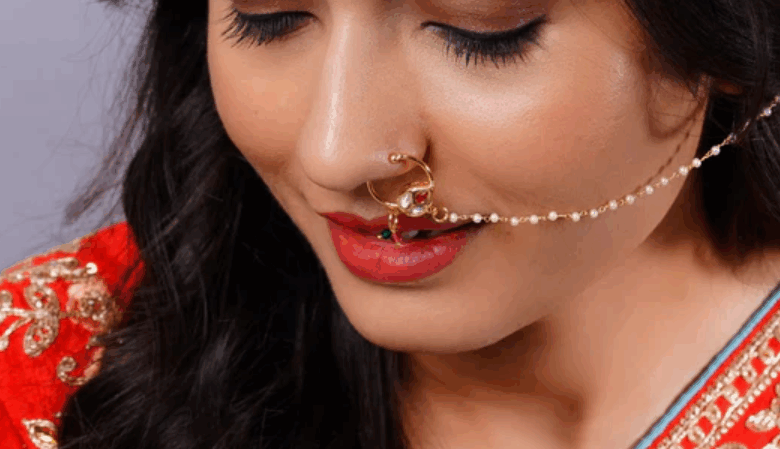
In Indian culture, jewelry is more than just adornment—it’s a symbol of tradition, spirituality, and personal expression. Among the most iconic pieces of traditional Indian jewelry is the nose ring, a piece that holds cultural, spiritual, and aesthetic significance. While nose piercings are now celebrated worldwide as a bold fashion statement, their roots lie deep within Indian customs and heritage.
If you’ve ever been curious about the significance, styles, and evolution of Indian nose piercing, this article will take you through everything you need to know.
Where to Find the Perfect Indian Nose Ring
Whether you’re exploring this tradition for cultural reasons or simply want to add a unique accessory to your collection, you can find stunning designs in Lovenspire’s collection of Indian nose piercing jewelry.




Lovenspire offers a curated range of high-quality, handcrafted nose rings—from delicate studs to ornate bridal naths. Each piece celebrates heritage while blending seamlessly with modern aesthetics, making them suitable for both everyday wear and special occasions.
A Cultural Legacy Rooted in History
The practice of nose piercing in India dates back thousands of years and is believed to have been brought to the subcontinent from the Middle East by the Mughal Empire in the 16th century. Over time, it was deeply assimilated into Indian culture, particularly in Northern India.
Nose piercing is traditionally associated with femininity, beauty, and social status. It is often seen as a rite of passage for young women, marking the transition into womanhood and readiness for marriage. In many communities, it’s also worn as a symbol of respect and devotion to Goddess Parvati, the Hindu goddess of marriage.
See also: Life in a Sober Living Home: A Day in the Life of a Resident
Spiritual and Ayurvedic Significance
Beyond cultural symbolism, Indian nose piercing also carries a deep connection with Ayurveda and spirituality. According to Ayurvedic tradition, piercing the left nostril (which is most common in India) is believed to be connected with the female reproductive organs. It is said to ease menstrual pain, promote fertility, and facilitate smoother childbirth.
In some spiritual practices, the act of piercing is seen as a way to control breath or prana—a vital life force—thus balancing inner energies and promoting emotional well-being.
Indian Nose Ring Styles: More Than Just Jewelry
One of the most exciting aspects of Indian nose piercing is the wide variety of styles and regional variations. Here are a few popular types:
1. Nath (Traditional Nose Ring)
The nath is a large, elaborate hoop often adorned with chains, pearls, or gemstones, and is especially popular in bridal wear. It symbolizes marital status and prosperity.
2. Laung (Nose Stud)
A small, delicate nose stud, usually worn on the left nostril. It’s subtle yet elegant and ideal for everyday wear.
3. Septum Ring (Bull Ring Style)
Although not traditionally mainstream in India, the septum ring is now gaining popularity among the younger generation for its bold and contemporary appeal.
4. Phul (Floral Stud)
A flower-shaped stud with intricate detailing, often worn during festivals and religious ceremonies.
5. Clip-on Nose Rings
For those who admire the look but don’t want to commit to piercing, clip-on versions allow for easy wear without the permanent hole.
Nose Piercing in Indian Weddings and Bridal Traditions
In many Indian weddings, the nose ring plays a central role in the bridal jewelry set. The nath is not only a part of the bride’s ensemble but also a symbol of her marital status and readiness for a new chapter in life. In states like Maharashtra, Rajasthan, and Punjab, the bridal nose ring is often large and connected to the ear by a delicate chain.
Wearing the nath is also considered auspicious and is believed to bring blessings and good fortune to the bride.
Nose Piercing as a Fashion Statement
What once was purely traditional is now a global trend. Indian nose rings have made their way into mainstream fashion, adorning the faces of celebrities and influencers across the world. From bold hoop rings to dainty studs, they are loved for their versatility and ethnic flair.
Wearing a nose ring today doesn’t necessarily require cultural affiliation—many embrace it as a personal style choice or as a nod to global heritage fashion.
Nose Piercing Care Tips
If you’re planning to get your nose pierced, here are a few care tips to ensure safe healing:
- Clean the area twice a day with saline solution.
- Avoid touching or twisting the ring/stud unnecessarily.
- Choose hypoallergenic materials like surgical steel, gold, or sterling silver for initial piercing.
- Be patient—it can take 2 to 4 months to heal fully.
If you’re not ready for a permanent piercing, explore clip-on or magnetic nose rings to experiment with the look.
Final Thoughts
The Indian nose piercing is more than a fashion trend—it’s a beautiful expression of culture, identity, and personal style. Whether worn for spiritual reasons, cultural significance, or pure aesthetic appeal, it’s a piece of jewelry that carries meaning far beyond its sparkle.
So whether you’re a bride-to-be, a culture enthusiast, or someone seeking a timeless yet bold accessory, there’s a nose ring out there that perfectly fits your story.
Explore Lovenspire’s exclusive range of Indian nose piercing jewelry and embrace the beauty of tradition—your way.