In Florida, the unique combination of sun, sea, and style inspires many homeowners to dive into DIY projects, aiming to add personal touches or increase their property’s value. While the enthusiasm for home improvement is commendable, certain projects require a level of precision and safety awareness that only professionals can guarantee. Tackling complex upgrades on your own can lead to costly, sometimes dangerous, results. Understanding which home improvements to leave to the experts is not only a matter of saving time and money—it’s also about ensuring safety and compliance with local building codes.
1. Electrical System Upgrades
Electrical work is a common area where DIY enthusiasm can quickly turn hazardous. Upgrading your home’s electrical system or adding new circuits without proper training and tools can lead to serious risks, including electrical fires and electrocution. Professional electricians have the necessary qualifications and understand the intricacies of local electrical codes to ensure safe installations.
2. Structural Changes
Thinking about removing a wall to open up your kitchen, or adding a room for more space? Structural modifications are complex and can affect the integrity of your entire home if not done correctly. Load-bearing walls, in particular, are critical to the stability of your home. Professional architects and contractors can assess which walls can be safely modified or removed and ensure that any changes meet structural safety standards while complying with building regulations.


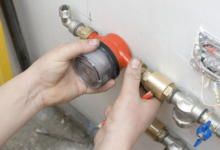
3. Major Plumbing Overhauls
Plumbing renovations can seem straightforward but involve a deeper understanding of your home’s overall system, which, if overlooked, can result in significant water damage. Whether you’re installing a new bathroom or reconfiguring your kitchen’s plumbing, it’s crucial to avoid DIY disasters. In the event of any flooding, plumbing-related or otherwise, consulting with a professional service like Flood Pros USA can help mitigate any extensive water damage and mold growth.
4. Roof Replacement or Major Repairs
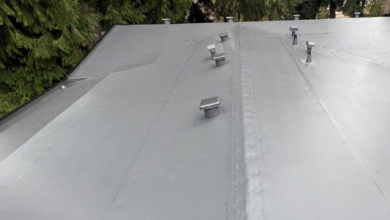
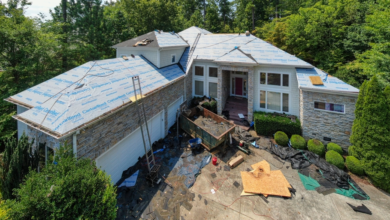
Your roof is your home’s first line of defense against Florida’s torrential rains and hurricanes. Replacing shingles or repairing significant damage is not only technically demanding but also physically dangerous. Professional roofing contractors have the necessary equipment and expertise to safely execute repairs and replace roofs, ensuring they meet local weather resistance requirements. They can also spot potential issues that untrained eyes might miss, such as subtle signs of water damage or structural wear that could compromise your home’s safety.
5. HVAC Installation
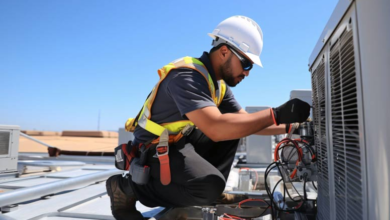
Installing or significantly repairing an HVAC system involves complex assessments of your home’s air flow and energy needs, areas where professional knowledge is indispensable. HVAC professionals ensure that systems are installed according to manufacturer specifications and local codes, which can significantly affect performance and efficiency. Improper installation can lead to frequent breakdowns, inefficiencies, and even carbon monoxide risks with gas-powered units.
6. Gas Appliances and Systems
Installing or modifying gas lines is a job strictly for professionals due to the high risk of leaks and potential explosions. The process involves not just the physical installation but also ensuring all connections are secure and leak-proof. Certified professionals are trained to handle these materials safely and are familiar with the specific codes and standards that must be met in order to ensure your home’s and family’s safety.
Read also Tattoo is an Art: The Canvas of Self-Expression
7. Window Replacements
Replacing windows might seem like a straightforward task, but it requires precise installation to ensure functionality, efficiency, and weatherproofing. Incorrectly installed windows can lead to drafts, water leaks, and increased energy bills. Professionals not only ensure that windows fit perfectly but also handle sealing and finishing that prevent air and water leaks. Moreover, many window manufacturers require installation by certified professionals to maintain warranty validity.
8. Insulation Projects
Effective insulation is critical in managing indoor temperatures and reducing energy costs. In places where the heat is extreme, proper insulation helps keep homes cool without overburdening the air conditioning system. Installing insulation involves choosing the right materials that suit the specific needs of different parts of the house and ensuring they are installed correctly to avoid gaps, compression, or moisture issues. Professionals can perform an energy audit and recommend the best insulation types and methods, ensuring your home is efficiently protected from the elements.
9. Mold Remediation
Mold removal is a critical task, especially in regions where a damp climate can lead to frequent mold problems. DIY mold remediation is risky; if not done properly, it can lead to the spread of mold spores throughout the home, exacerbating health risks and potentially leading to extensive property damage. Professional mold remediation teams have the necessary tools and techniques to safely contain and remove mold, ensuring that it is eradicated thoroughly and that the underlying moisture issues causing the mold are addressed.
10. Asbestos Removal
Handling materials that contain asbestos poses significant health risks, including serious lung diseases. Asbestos is often found in older homes, in insulation, flooring, and roofing materials, and requires careful handling. Due to the health risks and strict regulations surrounding asbestos, removal should always be handled by certified professionals who are trained in safe removal practices and equipped with the necessary safety gear and disposal methods to handle this hazardous material safely.
Knowing When to Call in the Experts
As a homeowner, it’s tempting to take on home improvements yourself, whether to save money, challenge yourself, or simply because you enjoy the work. However, certain projects come with risks and complexities that far outweigh the potential savings. From ensuring safety and compliance with local regulations to achieving high-quality results that last, the value of hiring professionals cannot be overstated.
Recognizing the limits of your DIY skills and knowing when to bring in experts can help protect not only your investment but also your safety and well-being. By entrusting complex home upgrades to qualified professionals, you ensure that these important tasks are carried out safely and effectively, leaving you free to enjoy your home without worry. Keep in mind that the goal of home improvement is to enhance your living environment, something that can only be guaranteed when done right.