Raising a child with a disability is a journey filled with both challenges and triumphs. One of the most important goals for parents and caregivers is to foster independence in their children. By providing the necessary support and encouragement, children with disabilities can learn valuable life skills and develop a strong sense of self-worth.
This guide offers practical strategies and advice to help parents and caregivers promote independence in their children with developmental disabilities. Implementing these strategies can empower your child to reach their full potential and lead a fulfilling life.
1. Understanding Individual Needs and Abilities
To promote independence in children with disabilities, it’s important to start by understanding their basic needs and abilities. Assessing the child’s current skills and strengths and identifying areas that may require more support allows for a tailored approach. Setting realistic, achievable goals that gradually increase in complexity can help build a sense of accomplishment and motivate the child to continue progressing.



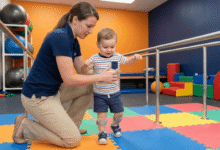
Cultivating a growth mindset can foster a positive outlook on challenges and promote personal development. To explore strategies for understanding and supporting individual needs, find out more about approaches that foster resilience and a positive attitude towards development.
2. Encourage Self-Care Skills
Self-care is a fundamental aspect of independence, and teaching young children with developmental disabilities to perform daily activities such as dressing, bathing, brushing their teeth, and eating can significantly enhance their self-reliance. When needed, adaptive equipment can make these tasks more manageable. Visual aids like schedules, checklists, or picture cards can also be valuable tools for helping the child understand and complete tasks step-by-step.
3. Promote Mobility and Physical Independence
Supporting mobility is critical to fostering physical independence. This can be achieved using assistive technology such as electric wheelchairs, walkers, or braces, which should be selected with the guidance of occupational and physical therapists. Making safe home modifications—like installing ramps, handrails, or grab bars—ensures the environment is accessible and conducive to independence. Moreover, incorporating physical therapy into the child’s routine can improve strength, balance, and coordination, allowing them to engage more freely in daily activities and explore their surroundings.
4. Build Communication Skills
Effective communication is crucial for independence. For children who have difficulties with verbal communication, alternative methods such as augmentative and alternative communication (AAC) systems—like communication boards or speech-generating devices—can enhance their ability to express themselves. Practicing communication in various settings, such as during playtime or social gatherings, helps develop social skills and confidence.
5. Foster Social and Emotional Development
Promoting social and emotional development involves providing opportunities for children to interact with peers through playdates, group activities, or programs that match their interests. Teaching emotional regulation is also essential, as it helps the child recognize and manage their feelings. Techniques such as deep breathing or using ‘calm-down’ tools can be helpful strategies. Building confidence is another crucial aspect; celebrating even small accomplishments boosts self-esteem and encourages the child to take on new challenges, fostering a sense of independence.

6. Adapt Education and Learning Approaches
Individualized education plans (IEPs) are essential for addressing specific needs and accommodating different learning styles for children with disabilities. Collaborating with educators to create an effective IEP ensures that the child’s educational experience is tailored to their abilities. Leveraging technology, such as educational apps, tablets, and adaptive software, can facilitate independent learning. Breaking down complex tasks into smaller, more manageable steps can make learning more accessible and less overwhelming.
7. Promote Independence in Community Settings
Encouraging independence extends beyond the home and school; it involves practicing real-life skills in community settings. Activities like grocery shopping, public transportation, or ordering food at a restaurant can help children develop practical life skills. Teaching safety awareness, such as crossing the street or identifying trusted adults, is crucial for navigating the community confidently. Preparing the child for life experiences in advance through discussions, social stories, or role-playing can help reduce anxiety and make transitions smoother.
8. Involve the Child in Decision-Making
Involving the child in decision-making empowers them and fosters a sense of ownership over their lives. Encouraging them to make choices in areas they can manage—such as selecting activities or picking out clothes—builds decision-making skills. It’s also important to respect the child’s preferences by incorporating their likes and dislikes into daily routines. Supporting them in problem-solving everyday challenges helps promote critical thinking and further enhances their independence.
9. Provide Emotional Support and Encourage Self-Advocacy
Emotional support plays a vital role in fostering independence. Teaching self-advocacy skills, such as expressing needs and asking for help, when necessary, is crucial to self-reliance. Role-playing different scenarios can help the child practice these skills in a safe environment. Caregivers should also be attentive to signs of frustration or anxiety and address them promptly, maintaining open communication to ensure the child feels understood.
10. Collaborate with Professionals
Engaging therapists and specialists, including physical, occupational, and speech therapists, ensures that the child receives targeted interventions that support their development. Staying informed about the child’s specific disability and potential challenges helps caregivers better understand available resources and strategies. Joining support groups and connecting with other parents or service providers for children with disabilities can provide valuable insights, shared experiences, and encouragement along the journey toward fostering independence.
Read also: How Stress Shapes Our Oral Health Over Time
Conclusion
Remember, every child is unique, and it’s important to tailor your approach to their special needs and preferences. By implementing the strategies outlined in this guide, parents and caregivers can play a vital role in promoting independence in their children with disabilities. With patience, perseverance, and a focus on empowerment, you can help your child develop the skills and confidence to lead a fulfilling and independent life.