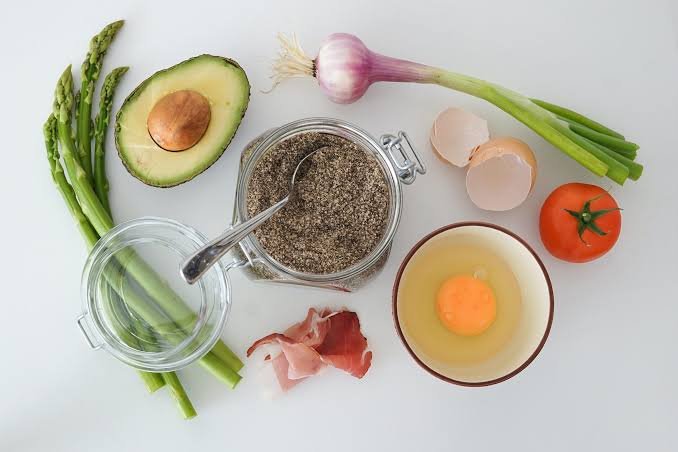
Learning how to combine ingredients is one of the most useful skills in home cooking. A well-planned meal balances flavor, texture, nutrition, and convenience while making effective use of available foods. People researching naisunomiyaz ingredients may be interested in identifying a particular dish or finding ideas for preparing something unfamiliar. Although the exact term Naisunomiyaz does not have a clearly verified culinary definition, it can be used as a starting point for discussing practical ingredient substitutions, meal organization, and creative recipe development. Understanding these principles makes cooking more flexible and helps reduce unnecessary food waste.
Understanding Ingredient Flexibility
Ingredient flexibility means adapting a recipe according to availability, dietary requirements, and personal preferences. Many savory dishes can accommodate substitutions without losing their overall appeal. For example, mushrooms may replace some meat components in a vegetable-rich preparation, while beans can provide additional protein and fiber. Different vegetables can also be exchanged depending on the season. Since there is no verified ingredient standard for Naisunomiyaz, any proposed combination should be presented as a homemade interpretation rather than an authentic recipe.
Choosing Ingredients for Balanced Flavor
Flavor balance involves combining ingredients that contribute different taste characteristics. Tomatoes and lemon juice introduce acidity, while onions and carrots provide natural sweetness. Mushrooms contribute savory depth, and herbs add freshness. Salt enhances existing flavors but should be used thoughtfully. Some dishes also benefit from a small amount of bitterness or mild heat, depending on the desired result. Understanding these relationships helps cooks create satisfying meals without relying on complicated ingredient lists.




Vegetable Substitutions for Everyday Cooking
Vegetables can often be substituted according to their texture and cooking requirements. Carrots and certain types of squash can provide mild sweetness, while cabbage and green beans introduce firmer textures. Spinach may replace other tender leafy greens in suitable recipes. Mushrooms can add a savory element when a dish needs greater depth. However, not every substitution produces the same result. Vegetables containing more water may soften quickly or dilute sauces, while dense root vegetables generally require longer cooking times.
Alternative Protein Sources
Protein substitutions can make a recipe suitable for different eating preferences. Chicken, tofu, lentils, beans, and eggs can all contribute protein, although their textures and cooking requirements vary considerably. Tofu absorbs surrounding flavors and works well in many vegetable-based meals. Lentils are useful for thick preparations, while beans can add substance to soups and stews. When replacing meat with plant-based ingredients, cooks should also consider the overall nutritional balance of the meal rather than assuming every substitute contains identical nutrients.
Selecting Sauces and Seasonings
Sauces can influence the entire character of a preparation. A tomato-based sauce creates a different flavor from one made with broth, soy sauce, or lemon juice. Fresh garlic, ginger, and herbs can introduce aroma without requiring excessive quantities of salt. For a light meal, a simple mixture of vegetable broth and herbs may be sufficient. A richer preparation may use a slightly thicker sauce created through reduction or an appropriate thickening ingredient. These are general recipe options, not confirmed traditional naisunomiyaz ingredients.
Meal Planning With Fresh Ingredients
Planning meals in advance can make cooking more efficient and economical. Start by identifying vegetables and proteins already available at home, then select recipes that use them before they spoil. Preparing several ingredients together may also reduce cooking time during busy days. For example, washing vegetables, cooking grains, and portioning suitable ingredients can simplify future meals. However, prepared foods should be refrigerated promptly and stored according to food-safety recommendations. Good planning helps reduce waste while encouraging more consistent home cooking.
Creating Different Meal Variations
A single selection of ingredients can be used in several different ways. Vegetables, tofu, and aromatic seasonings might be combined in a stir-fry and served with steamed rice. The same vegetables could be simmered in broth to create a light soup. Another variation could use cooked beans and a tomato-based sauce to produce a heartier meal. These approaches demonstrate how cooking techniques influence the finished result. For anyone exploring Naisunomiyaz-inspired ideas, experimenting with preparation methods can be more useful than searching for an unsupported fixed recipe.
Storage and Ingredient Freshness
Proper storage is essential for maintaining ingredient quality. Fresh produce should be stored according to its specific requirements, as some vegetables benefit from refrigeration while others are better kept in cool, dry conditions. Raw proteins require particularly careful handling to prevent contamination. Cooked meals should be cooled and refrigerated promptly. Labeling prepared food with the cooking date can help prevent confusion about freshness. Following appropriate storage practices supports food safety and reduces unnecessary disposal.
Why Ingredient Knowledge Matters
Understanding ingredients allows cooks to make better decisions about flavor, nutrition, and preparation. Instead of following recipes without knowing why certain components are included, they can learn how each item influences the finished dish. This knowledge also improves confidence when substitutions become necessary. Over time, cooks may develop preferred flavor combinations and preparation methods that reflect their personal tastes. The ability to adapt recipes thoughtfully is valuable for both beginners and experienced home cooks.
See also: Treble Damages Explained: When the Law Triples What You Recover
Conclusion
Exploring naisunomiyaz ingredients provides an opportunity to understand flexible cooking, ingredient substitutions, and practical meal planning. Although no standardized Naisunomiyaz recipe has been reliably established, the broader principles of balancing vegetables, proteins, seasonings, and sauces remain useful. By selecting fresh foods, experimenting with suitable combinations, and practicing safe storage, home cooks can create enjoyable meals while developing stronger culinary skills.