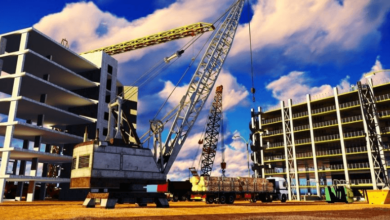
Heavy equipment plays a crucial role in the construction industry, it allows the construction workers to work on the project with proper efficiency and safety. From bulldozers and backhoes to cranes and excavators, all these machines are critical for moving materials, digging foundations for the building, and lifting heavy loads.
However, even for professionals, handling such powerful missionaries is quite difficult. That’s why, to ensure the well-being of the workers, this article is here to discuss how you can handle heavy equipment on construction sites.
Understanding the importance of proper training
The first step in handling heavy equipment safely is proper training. As an operator, you must go through proper training to understand the mechanics of each machine.
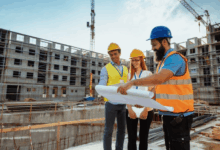
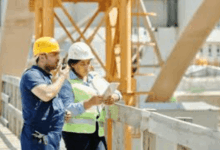


For example, learning about excavator training is essential for operators to manage and even workers. In the training, you’ll learn about the machine basics and how you can control it effectively.
See also: The Importance Of Proper Construction Waste Disposal
Pre-Operational Checks Are Essential
It is essential to do comprehensive pre-operational tests before to operating any machinery. You have to maintain a routine of checking each element before starting the equipment. It ensures that the machinery is in safe working condition and helps identify potential issues before they become serious.
The key steps include visual inspections for any wear, leaks, or damage to hoses, tracks, and attachments. Then, checking fluid levels, tyre and track condition, and finally safety equipment.
Adhering to Safety Guidelines
Following the safety guidelines is also very important. It is designed to protect workers from the inherent risks associated with heavy machinery.
Every worker, operator, and employee must wear PPE gear at the construction site, which includes hard hats, steel-toed boots, high-visibility vests, and gloves. Then, having two-way radios to communicate with ground personnel is required as construction sites are mostly noisy. Most importantly, never exceed the equipment’s load capacity, or the heavy equipment can lose balance.
Operator Awareness and Site Hazards
As an operator, you must stay vigilant about your surroundings. Construction sites are dynamic environments with constantly changing conditions; you must keep track and keep an eye on everything to avoid any difficult situation.
You should be aware of the pedestrians and other equipment. So always check for people, other machines, and obstacles in the construction area. In order to avoid tipping or sliding, make sure the ground is level and sturdy.
Load Handling and Stability
Now, to control the heavy equipment properly, following proper load-handling protocol is critical. Knowing load handling of the machinery maintains equipment stability and prevents accidents.
Maintaining the load as near to the machine’s centre of gravity as feasible is your responsibility as an operator. Furthermore, keep a safe distance from power lines, trenches, and other potential hazardous areas.
Emergency Preparedness
Despite best efforts, sometimes emergencies can occur. In such cases, you should be prepared to respond effectively.
You have to be familiar with the machine’s emergency shut-off features and other emergency protocols. Keep first aid supplies and emergency phone numbers close at hand at all times. Participating in safety drills also encourages other workers and staff to do so, so that everyone knows their role in an emergency situation.
Regular Maintenance and Inspections
The heavy equipment should go through ongoing maintenance to make sure there aren’t any issues. Sometimes, even as an operator, it’s not possible for you to understand what is wrong with the equipment.
In such cases, to maintain longevity and safe operation of heavy equipment, you should follow manufacturer guidelines and always report if you feel there are any malfunctions or concerns to maintenance personnel. Also, document all inspections, repairs, and servicing activities with dates, bills, and other information.
The Role of Supervision and Continuous Learning
Always update your supervisor about every step of the work or issues with the heavy equipment. As an operator, you are superior to many of the workers and staff, so make sure that you foster a culture where workers feel comfortable reporting unsafe conditions without hesitation. Together you and your superiors should offer refresher courses and updates on new safety protocols. This way there will be good communication between the workers and superior staff, and it will help maintain a safe and smooth work environment.
Conclusion
In the end, as you might have learnt by now, handling heavy equipment on construction sites is a very important and useful skill. And to do that, having proper knowledge and strong equipment for safety is required. With the help of comprehensive training such as excavator training, diligent pre-operational checks, adherence to safety guidelines, and regular supervision, you, as an operator or a worker, can significantly reduce the risk of accidents on work.
So, don’t forget to prioritize your safety and the safety of your team while handling heavy construction equipment; use all the equipment properly, enhancing productivity and long-term success of the construction project.