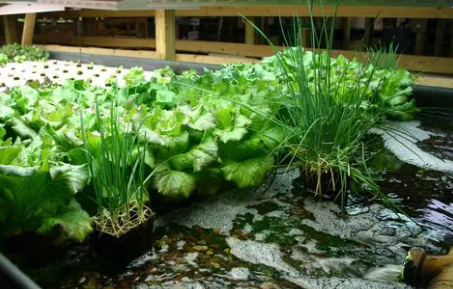
Aquaponics is the eco-warrior’s answer to traditional farming. Forget about those synthetic fertilisers—this approach is all about working with nature. It’s a total game-changer, especially for urban dwellers stuck with tiny spaces.
You can grow fresh produce in areas smaller than your average balcony, making it the ultimate solution for city slickers craving homegrown goodness.
This guide’s going to break down everything you need to know about setting up your own aquaponic wonderland and keeping it running.




What Is Aquaponics?
Fish and plants make the ultimate power duo in this setup. The aquatic creatures contribute organic nutrients for vegetation development, while in return, the flora purify the water for the fish.
This approach encourages sustainable practices. Species such as tilapia and catfish flourish in conjunction with crops like basil and lettuce, per se.
Aquaponics, when compared to standard agricultural methods, exhibits exceptional water conservation characteristics. This innovative technique is a great example of judicious resource management.
Benefits of Aquaponics Systems
Merging the practice of fish cultivation and plant growth, aquaponics offers a water-efficient method that needs merely 10% of the water that traditional farming does. This approach is a responsible choice for regions wrestling with drought.
It uses fish waste as a natural fertiliser, meaning artificial chemicals are not required. This fosters a green attitude toward farming. The procedures involved in aquaponics can easily adapt to smaller locations. Think rooftops, balconies and even backyards.
This enables gardeners to cultivate their own crops. Naturally, this reduces supermarket dependence. It also provides a consistent flow of fresh food that remains unaffected by weather changes.
Aquaponics exemplifies a perfect blend of eco-friendly responsibility and personal self-sufficiency.
Components of an Aquaponics System
A functioning aquaponics structure blends several important elements. The core habitat, or fish tank, is where marine animals flourish, generating waste that offers crucial nourishment for vegetation.
The grow bed performs two roles. It fosters plant development and cleanses the water.
Substances such as clay pebbles or gravel housed in the container dissect fish waste, transforming it into a nutrient-dense medium for plants. This simultaneously maintains water clarity.
The mechanism includes an automatic pump that circulates water between the fish repository and the grow bed. Firstly, this guarantees that flora get their needed nourishment. Secondly, that the liquid remains fresh for the aquatic inhabitants.
Equally significant is the aeration pump. It sustains the water’s dissolved oxygen amounts, which ensures the fish’s health.
The configuration needs to balance water flow. This will help secure plant roots on the one hand. On the other, it will also maximise nutrient assimilation.
Here’s what you’ll need to carry out this task:
- Fish tank. Offers a thriving environment for the aquatic creatures.
- Grow bed. Encourages vegetation growth and filters water.
- Pump. For circulating water around and supplying nutrients to the flora.
- Aeration system. Maintains the freshness of water for the marine life.
- Plumbing. Modulates the water flow.
- Grow media. Fortifies plant roots and increases nutrient absorption.
This proficient setup is water-conserving, thus perfect for arid areas. It promotes organic cultivation without recourse to chemical fertilisers and ensures a consistent supply of fresh produce throughout the year.
Choosing the Right Fish and Plants
For your aquaponics arrangement, consider robust aquatic species such as tilapia, catfish, and goldfish.
Tilapia, recognised for their rapid growth and resilience to changing temperatures, are a preferred option. Catfish exhibit strong adaptability, whereas goldfish generate substantial waste, which is beneficial for vegetation expansion.
As for the flora selection, opt for swift growers like lettuce, herbs, and tomatoes. Leafy greens and herb varieties, including basil and mint, thrive in fish-infused water.
Tomatoes do require slightly more attention, yet yield a rewarding outcome. Bear in mind your local climate and water temperature, since some greenery gravitates towards warmth. For added enjoyment, cultivate what you relish eating or growing.
Working with aquaponics is a game of balance and exploration. Combining a variety of marine life and plants aids in identifying what optimally suits your arrangement, enhancing results and overall enjoyment.
Engage in conversation with local aquaponics professionals for valuable advice.
Setting Up Your Aquaponics System
When you establish an aquaponics installation, go for an area where there are substantial amounts of natural light. Sunlight fuels plant growth, while stable conditions keep the fish happy.
Additionally, strive for a spot that is steady and robust enough to withstand unpredictable weather conditions.
When selecting a fish container and grow bed, consider the size and capacity of the setup you require. You can opt for a smaller model, such as a 20-gallon repository, or a larger one if your space allows.
So, take into account the constraints of area and the outputs you aim to achieve for your plants and aquatic inhabitants.
Maintaining Your Aquaponics System
Sustaining a successful aquaponics network largely depends on consistent maintenance and proper practices.
Water quality is your golden ticket. You’ll want to peek at those pH levels like a hawk. Aim for that sweet spot between 6.8 and 7.2. Not too acidic, not too alkaline. Simple testing kits become your best friend here, helping you track sneaky metrics like ammonia and nitrate levels.
Providing optimal feeding for fish is also essential. It is necessary to supply a suitable amount of food that can be consumed within a brief period, ideally twice daily. This prevents unwanted contamination of the liquid.
Furthermore, regular trimming facilitates proper growth. It also prevents overcrowding. Also, removing dead or yellow leaves is fundamental to maintaining a healthy ecosystem.
Prolonged neglect can result in the cultivation of algae. This can hinder the flow of water and reduce the oxygen supply.
To circumvent such issues, it is imperative to scrub the tank’s interior and inspect pipes for blockage. This ensures the unhampered operation of the equipment.
A steady commitment to these guidelines guarantees the long-term well-being and vitality of both aquatic species and plant life in an aquaponics configuration.
Common Challenges and Solutions
Aquaponics is rewarding but can be a bit tricky. A significant challenge is keeping the water just right.
Too much ammonia or incorrect pH can harm vegetation and marine creatures, so it’s good to check the liquid regularly. Adjusting feeding times or adding more flora could help balance things out.
Keep a careful watch over your fish. If they display any unusual behaviour or refuse to eat, it could potentially indicate a need for a water change or a consultation with a veterinary professional.
Flora needs enough light and proper water flow, so make sure they get both. Patience and determination are key, as solving problems is part of the process. However, if your greenery is really struggling, opt for a precise gardening service.
Each issue is a chance to learn. Stay proactive and flexible, and you’ll find aquaponics a sustainable and fulfilling way to cultivate.
Conclusion
Aquaponics uses innovative ways to grow food. Its best feature – it does so by efficiently using water and space. Because you don’t need soil, you also don’t need artificial fertiliser. Thus, the whole process becomes more eco-friendly and helps out the planet.
Aquaponics is great for urban environments. Even if you’re a total novice, it’s still well worth it to look into it. Ask a local gardening expert for help or advice if needed. Ultimately, aquaponics gives you the joy of having fresh produce at a minimal cost and a better, greener tomorrow.
And that’s what makes it worthwhile!