Wazicollas for Art Enthusiasts: A Practical Guide to Collecting and Appreciating Handmade Sculptures

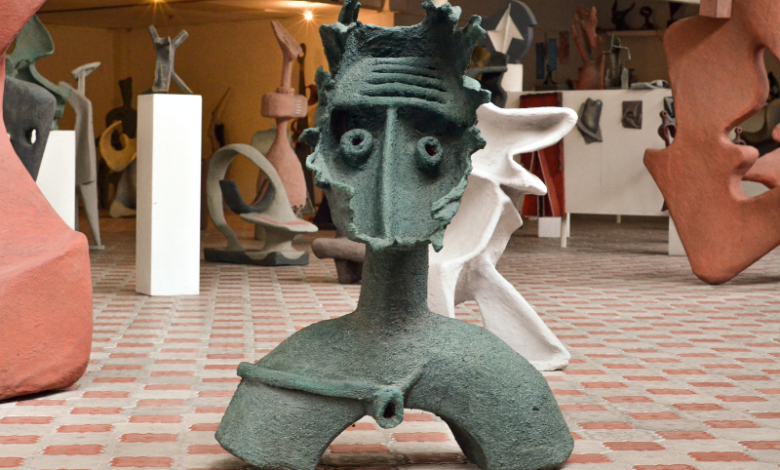
Collecting handmade artwork is a rewarding way to discover creative techniques, support individual artists, and develop a personal connection with decorative objects. Sculptures are particularly interesting because they combine physical structure with artistic expression. Wazicollas has appeared in niche online content as a term associated with decorative sculpture, mixed materials, and handcrafted artistic designs.
However, reliable documentation establishing Wazicollas as a recognized historical category remains limited. For collectors, this makes careful research especially important. Understanding materials, construction techniques, artistic originality, and seller information can help buyers make more informed decisions.
What Should Collectors Know About Wazicollas?
Online descriptions of Wazicollas frequently emphasize unusual sculptural forms, colorful surfaces, and combinations of natural materials.




These characteristics may appeal to collectors interested in folk-art-inspired decoration and contemporary handmade objects.
However, an attractive description does not establish an artwork’s age, geographic origin, cultural significance, or market value.
Collectors should distinguish between verified information and promotional claims.
A clear understanding of an object’s actual background is more valuable than relying on an impressive but unsupported story.
Understanding the Qualities of Handmade Sculptures
Original Artistic Design
Originality is an important consideration when evaluating decorative artwork.
Artists may develop distinctive shapes, patterns, or construction methods that separate their work from similar objects.
A sculpture does not need to be complicated to demonstrate creativity.
Simple designs can be equally expressive when their proportions, materials, and details are carefully considered.
Collectors should focus on artistic intention rather than complexity alone.
Quality of Construction
Construction quality influences an object’s appearance and longevity.
Inspect whether the sculpture has a stable base and securely attached decorative components.
Uneven surfaces may be intentional features of handmade work, but cracks, loose joints, or unstable structures can indicate potential problems.
Ask about the materials and techniques used during production.
This information can help determine appropriate display and maintenance conditions.
Material Authenticity
Descriptions such as natural, traditional, or handcrafted should be supported by clear information.
A seller may describe an object as clay or wood even when it includes synthetic components.
Mixed materials are not necessarily inferior, but buyers should understand what they are purchasing.
Accurate descriptions make future maintenance easier and reduce misunderstandings about quality.
How to Begin a Wazicollas-Inspired Art Collection
Establish a Collecting Budget
Before purchasing decorative artwork, decide how much money you are comfortable spending.
Prices can vary considerably depending on materials, dimensions, artist recognition, and workmanship.
Avoid assuming an object will increase in financial value.
Most decorative art purchases are better approached as personal acquisitions rather than guaranteed investments.
Explore Different Artistic Approaches
Studying different types of sculpture can help collectors identify their preferences.
Some people appreciate detailed surface patterns, while others prefer minimalist forms.
Natural materials may appeal to collectors who enjoy organic textures.
Contemporary mixed-media pieces may interest those who appreciate experimental techniques.
Exploring several approaches encourages a more thoughtful collection.
Learn About the Artist
An artist’s background can add meaningful context to a sculpture.
Ask about their training, creative process, and inspiration.
If a seller makes specific historical or cultural claims, request supporting documentation.
An artist’s own explanation can provide valuable insight into the intended design without requiring exaggerated stories about its origins.
Recognizing Reliable Sellers
Trustworthy sellers should provide accurate descriptions and clear photographs.
Useful information includes dimensions, materials, condition, price, and any known restoration work.
For expensive objects, request additional images showing the base, surface details, and construction.
Written receipts and documented provenance can also be helpful.
Be cautious about unsupported claims involving rare historical origins, official certification, or unusually high investment potential.
Independent verification is especially important when such claims substantially influence the asking price.
Displaying a Handmade Art Collection
A successful collection deserves thoughtful presentation.
Smaller sculptures can be arranged on stable shelves with sufficient space between objects.
Larger pieces may benefit from individual stands.
Consider how lighting interacts with surfaces and textures.
Avoid exposing delicate artwork to excessive sunlight, moisture, or accidental contact.
Display arrangements should protect the objects while allowing viewers to appreciate their artistic details.
Preserving Artistic Value Through Proper Care
Good maintenance begins with understanding the materials.
Painted clay, untreated wood, woven fibers, and glazed ceramics may require different cleaning methods.
Avoid applying household polish or chemical cleaners without checking their suitability.
Keep purchase records, artist information, and photographs for future reference.
These documents can help establish ownership history and make insurance or resale discussions easier.
Why Collecting Handmade Art Is Meaningful
A handmade sculpture represents more than a decorative purchase.
It reflects decisions about materials, proportions, techniques, and visual expression.
Collectors can develop a deeper appreciation of creativity by learning how these elements work together.
A thoughtfully selected collection may also document changing personal interests over time.
The most satisfying collections often grow from genuine curiosity rather than a desire to acquire as many objects as possible.
See also: Questions to Ask Before Choosing a Law Firm for Your Case
Conclusion
Wazicollas can serve as an interesting subject for collectors exploring handmade sculpture and creative decorative art. Although the term’s historical identity is uncertain, the principles of responsible art collecting remain clear. Evaluating craftsmanship, understanding materials, verifying seller claims, and maintaining proper documentation can help enthusiasts build meaningful collections that celebrate artistic originality and skilled workmanship.