Introduction
One mouse dropping behind the cooker is annoying. A dozen of them, plus a gnawed cable, is a different story. Most pest problems start small and quiet, which makes it hard to tell when a quick DIY fix will do and when it’s time to pick up the phone. The good news? A handful of clear warning signs make the decision much easier. Pests don’t wait for a convenient moment, and the longer they stay, the more they cost you in damage, stress and lost sleep. Here’s when waiting costs more than calling, plus a few simple steps to take while help is on its way.
Rats and Mice Making Themselves at Home
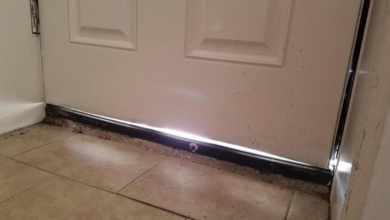
Scratching in the walls at night, droppings in the cupboards and a stale, musty smell all point to rodents that have settled in. Mice breed quickly, so a “couple of strays” can turn into a full colony within a few months. Rats are even bolder, and they’re a common sight around bins and drains in British towns. Hearing movement in the loft at dusk? That’s usually when they’re most active.
Gnaw marks deserve attention too. Rodents chew through wiring, pipes and insulation, and damaged cables are a real fire risk. Spotted fresh damage? Don’t wait to see whether a trap catches anything.



Shop-bought traps can deal with one or two lone mice. Rats are warier, though. If the noises carry on after a week of trapping, a professional can find the entry points, seal them and clear the nest properly. That saves you from playing the same game all winter. Until help arrives, tuck food into sealed tubs and keep bins closed so the pests have less reason to stay.
See also: About Datrihelminen Life
Wasp and Hornet Nests Close to the House
A few wasps at a summer barbecue are normal. A steady stream flying in and out of one spot, such as a loft eave, an air brick or the shed roof, means a nest is nearby. By late summer it can hold thousands of wasps, and they turn defensive fast when disturbed.
Resist the urge to poke, spray or block the entrance. Angry wasps can sting again and again, and a wobbly ladder is the worst place to be when it happens. Anyone with a known allergy to stings should treat a nest as an emergency and stay well clear. Close nearby windows, and don’t swat at wasps that wander indoors, as that only makes them more agitated.
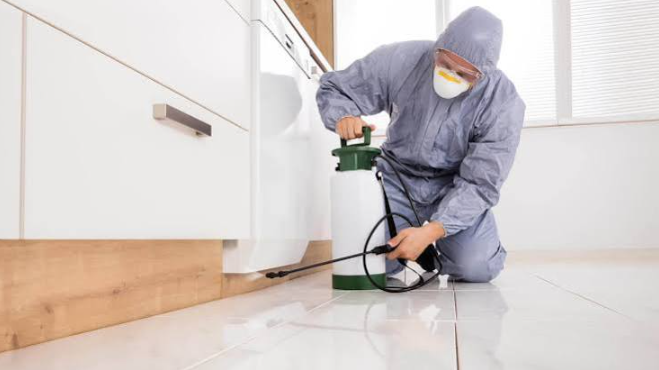
Nests near doors, windows, washing lines or a children’s play area need a professional straight away. A trained technician arrives with protective gear and the right treatment, and the nest is usually dealt with in one visit. Keep pets and children indoors while the work is done, and ask the technician how long to stay away from the area afterwards.
Bed Bugs, Fleas and Other Biting Pests
Waking up with itchy red bites in a line is a classic warning sign. Check the mattress seams and bed frame for tiny dark spots, rusty smears and pale shed skins. Those point to bed bugs, which hide in cracks and can survive for months between meals.
Fleas show themselves differently. Pets scratch more than usual, and bites appear around the ankles. A hot wash at 140°F for bedding and a thorough vacuum can take the edge off a small flea problem.
Bed bugs rarely give up that easily, though. If the bites keep coming after a week of washing and vacuuming, or the bugs have turned up in a second room, it’s time to call in the experts. Spread is the real giveaway that DIY isn’t working. Bed bugs hitch lifts in luggage and second-hand furniture, so a quick inspection of anything new to the bedroom is a smart habit. Sleeping on the sofa won’t help either, as the bugs simply follow.
Cockroaches and Ants That Keep Coming Back
Cockroaches are nocturnal, so spotting one in daylight often means plenty more are hiding nearby. Look for dark smears behind appliances, small brown egg cases and a greasy, unpleasant smell. They carry germs onto worktops and food, which makes a kitchen infestation more than a nuisance. Even a handful of sightings in a month is enough reason to get a professional to take a look.
Ants are usually easier. A line of them heading for the biscuit tin generally clears up with bait and a good wipe-down. The warning sign is repeat visits. If the same pest returns within a couple of weeks of treating it, the nest is still out of reach, and surface sprays are only scratching at the problem.
Professionals treat the source rather than the stragglers. That’s what stops the cycle. Until they arrive, wipe up crumbs, fix dripping taps and store pet food overnight in a sealed container, so there’s less to attract them.
Pests in Rented Homes, Shops and Kitchens
Some situations don’t leave room for waiting. Cafés, restaurants and shops that handle food risk fines, bad reviews or even closure if pests are spotted. Fast professional treatment, with a written record of the visit, protects both customers and the business.
Tenants should report any infestation to the landlord in writing, and keep photos with dates. Landlords, in turn, are expected to keep a property fit to live in, and a pest problem left to grow can become an expensive one.
Selling or moving soon? Buyers and surveyors notice droppings, gnawed skirting and odd smells. Sorting the problem early keeps the sale on track, and a proper treatment record gives buyers confidence that the issue is behind you.
Conclusion
A single insect or odd noise doesn’t always mean trouble, but repeat sightings, visible damage, bites or a nest near the house do. Trust those signs and act before the problem spreads. Seal food away, keep bins tidy and jot down where and when the pests turn up. Then book a professional pest control visit for a proper inspection, so you know exactly what you’re dealing with. Acting early is usually quicker, cheaper and far less stressful than waiting for the problem to grow.