You turn off every faucet, check the dishwasher and washing machine, and make sure no one is using water. Yet when you look at your water meter, something still changes. Where is that water going?
For Englewood homeowners, unexplained water use deserves attention because not every plumbing leak creates an obvious puddle. Water can escape from a toilet, supply line, appliance connection, underground pipe, or another part of the plumbing system without immediately producing visible damage. A water meter can provide an important clue, but it cannot tell you exactly what has gone wrong.
Understanding what your meter can and cannot reveal can help you decide whether you have normal household water use, a simple fixture problem, or a reason to consider professional plumbing inspections in Englewood.




Can a Water Meter Actually Reveal a Hidden Plumbing Leak?
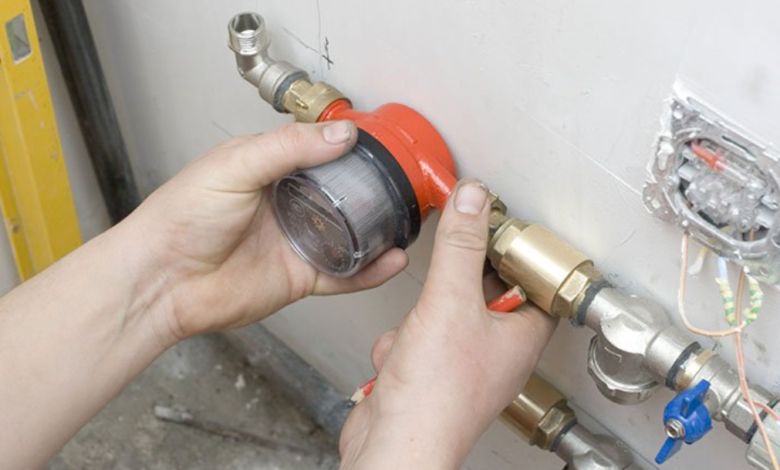
A residential water meter records the amount of water that passes from the municipal water supply into a property. When someone takes a shower, flushes a toilet, or runs the washing machine, the meter records that consumption.
That basic function can also make the meter useful when investigating unexplained water usage.
Imagine that every known water-using fixture and appliance is off, but the meter continues to indicate consumption. Water may still be flowing somewhere within the property.
That does not automatically prove that a pipe behind a wall has broken. Several less obvious sources can consume water, including:
- A running toilet
- A dripping faucet
- An irrigation or sprinkler system
- A leaking appliance supply connection
- A refrigerator water line
- A water heater-related leak
- A damaged water supply line
- A concealed or underground pipe leak
Experienced plumbers do not treat meter movement as a diagnosis. They treat it as evidence that warrants further investigation.
That distinction matters. Effective water leak detection involves identifying the actual source instead of assuming that every unexplained meter change means the same thing.
See also: Amazon Alexa Echo Uswiggerstechcrunch: Exploring Smart Technology
Why Is Your Water Meter Moving When the Water Is Off?
If the meter shows water use when no one is intentionally using a fixture, do not assume the problem is immediately a hidden pipe leak. The first step is to determine whether the water use is continuous or intermittent.
Continuous movement can be consistent with a toilet that is slowly refilling, a fixture that is not shutting off completely, or a plumbing leak that is allowing water to flow steadily. Intermittent activity may have a different explanation. An ice maker, irrigation controller, water-treatment equipment, or another automated system can use water without anyone turning on a faucet.
That pattern can help narrow the investigation.
For example, a meter that moves briefly at regular intervals may point toward an appliance or fixture that operates automatically. A meter that continues moving steadily after all known water-using systems have been ruled out deserves closer attention.
The meter cannot identify the source by itself, but it can establish an important fact: water is entering the home when you do not expect it to. From there, the goal is to eliminate normal water use before treating the situation as a plumbing leak.
How Can an Englewood Homeowner Perform a Basic Water Meter Check?
A basic meter check is useful because it can establish whether unexplained water consumption is actually occurring. It does not require opening walls, disconnecting fixtures, or manipulating unfamiliar plumbing valves.
Start by choosing a period when the household can avoid intentional water use. Turn off faucets, postpone laundry and dishwashing, and make sure toilets are not being used. Check whether irrigation or other automated systems are scheduled to operate during the test.
Record the meter reading or, if the meter has a flow indicator, observe whether that indicator is moving.
After allowing enough time to pass, check the meter again.
If the reading or flow indicator has changed, ask when and how often the activity occurred. A steady change suggests a different type of problem from occasional activity. If the meter remains still, repeat the test at another time if the unexplained water use appears to happen intermittently.
This simple process is valuable because it separates two questions:
- Is unexpected water consumption occurring?
- What is causing it?
The first question can often be investigated with a meter observation. The second may require checking individual fixtures, appliances, supply lines, and other parts of the plumbing system.
Does a Moving Water Meter Always Mean You Have a Leak?
No. A meter measures water passing into the property; it does not determine whether that water is being intentionally used, automatically consumed by equipment, or lost through a plumbing failure.
Before assuming a concealed leak, account for less obvious sources of water use. A toilet can refill without producing an obvious running sound. An ice maker can operate automatically. Irrigation may run according to a schedule, and other water-dependent equipment may operate without anyone noticing.
The timing of the meter activity can provide another clue.
If water is being used at predictable intervals, an automated fixture or appliance may be responsible. If the meter continues showing flow with no identifiable source, the investigation shifts toward the plumbing system itself.
This distinction is important for homeowners because unexpected water use is a symptom, not a diagnosis. Confirming the pattern first can help prevent unnecessary assumptions about where the problem is located.
Where Can Water Hide Without Leaving an Obvious Puddle?
Not every plumbing leak sends water onto the floor where it can be easily spotted. A leak may occur inside a wall, beneath a fixture, near a concealed connection, or along piping that is difficult for a homeowner to access.
The location of the leak can also affect what symptoms appear.
A leak near an exposed fixture may produce visible moisture quickly. A problem inside a wall or beneath a concealed section of plumbing may instead show up as a gradual increase in water consumption, a musty smell, discoloration, or recurring moisture.
Underground plumbing creates another challenge. Water escaping below the surface may not appear as an indoor puddle at all. Depending on the location, homeowners may notice unexplained outdoor wetness, changes in landscaping, or increased water consumption before identifying an obvious plumbing failure.
For that reason, unexplained meter activity becomes more useful when considered alongside other evidence. A meter change by itself does not locate the leak, but a persistent change combined with moisture, unusual sounds, pressure changes, or an unexplained bill increase gives a plumber more information to investigate.
Why Does This Matter for Homes in Englewood?
Englewood homeowners can encounter plumbing systems with different ages, materials, and repair histories. A home may have original portions of its plumbing alongside sections that were replaced during remodeling or previous repairs. That means the age of the house alone does not tell you where a problem is likely to occur.
The more useful question is how the individual plumbing system has been installed, maintained, and modified over time.
For example, a home with newer fixtures but older supply piping may have different inspection considerations from a recently renovated property with substantially updated plumbing. Previous repairs can also matter because a recurring issue in one area may provide useful context when investigating new unexplained water use.
Local conditions should also be considered rather than assumed. Colorado’s seasonal temperature changes can place additional stress on exposed or vulnerable plumbing, but not every unexplained meter change is related to weather or freezing conditions.
For an Englewood homeowner, the practical takeaway is simple: use the meter as an early warning sign, then consider the age, layout, repair history, and condition of the actual plumbing system when investigating the cause.
This is where plumbing inspections in Englewood can provide more context than a water meter alone. A professional inspection considers the meter clue alongside the condition and behavior of the broader residential plumbing system.
What Can Professional Plumbing Inspections Look For?
When unexplained meter activity persists, a plumber’s job is not simply to look for a puddle. The investigation starts by determining what is using water and then narrowing down where that water may be going.
Depending on the situation, a plumber may first evaluate toilets, faucets, visible supply connections, appliances, shutoff valves, water-heating equipment, and other accessible components. Water pressure and the behavior of the system can also provide useful clues.
The pattern identified during the meter test can help guide that process.
For instance, intermittent consumption may lead the plumber to investigate an automatic fixture or appliance before looking for a continuously flowing concealed line. Persistent flow with no obvious fixture source may warrant closer evaluation of supply piping or other concealed plumbing.
A general plumbing inspection and dedicated leak detection are not necessarily the same service. The plumbing inspections in Englewood can assess the condition and operation of relevant components, while leak detection focuses more specifically on locating the source of suspected water loss. Depending on what the initial inspection finds, additional diagnostic work may be appropriate.
That distinction gives homeowners a more realistic expectation of what a professional can determine. The meter identifies unexplained consumption; the inspection and, when necessary, leak-detection process help determine why it is happening and where the problem is located.
Can a Small Leak Really Matter If You Cannot See Any Damage?
The absence of visible damage does not necessarily mean the water loss is insignificant. A slow leak can continue for weeks or months before producing an obvious stain, puddle, or other dramatic sign.
But the opposite is also important: a small change in water consumption is not automatically evidence of a serious plumbing failure.
The more useful approach is to look for a pattern.
A homeowner who notices a small but persistent meter change, a gradual increase in the water bill, or a toilet that repeatedly refills has more reason to investigate than someone who observes one unexplained meter change and cannot reproduce it.
Location also matters. Water escaping into a fixture where it is designed to drain is different from water repeatedly reaching a wall cavity, floor assembly, cabinet, or other material that should remain dry.
The goal is therefore not to treat every small meter movement as an emergency. It is to recognize persistent unexplained water use early enough to identify its cause before the problem becomes more difficult or expensive to address.
What Information Should You Give a Plumber?
Good observations can make professional troubleshooting more efficient.
Before an inspection, note when you first noticed the issue and whether the meter activity appears continuous or intermittent. Record any recent changes in water bills, water pressure, plumbing sounds, fixture behavior, or visible moisture.
Also mention previous plumbing repairs when you know about them.
For example, telling a plumber that one section of the home received new piping during a remodel while other areas remain original provides useful context. The same applies if you recently repaired a toilet, replaced a water heater, experienced freezing conditions, or noticed changes after landscaping work.
Professional experience becomes most valuable when the plumber can combine the home’s history with current evidence.
When Should You Stop Watching the Meter and Request an Inspection?
A single unexplained meter movement does not necessarily mean you need an immediate plumbing inspection. However, repeated or persistent activity is harder to dismiss when it cannot be explained by normal household use.
Consider having the plumbing system evaluated if:
- the meter continues showing water use when known fixtures and appliances are off;
- the water bill rises without a corresponding change in household consumption;
- you hear water running or refilling when no fixture is operating;
- you notice unexplained dampness, staining, or musty odors;
- water pressure changes without an obvious reason;
- a toilet or other fixture repeatedly develops the same problem;
- you have ruled out normal or automated water use but still cannot determine where the water is going.
These signs do not prove that a concealed pipe has failed. They indicate that the cause has not yet been identified.
For an Englewood homeowner, that is the point at which continued observation may provide less value than having a professional evaluate the plumbing system and determine what the meter activity actually represents.
Your Water Meter Provides a Clue, Not the Final Answer
A water meter cannot look behind a wall, inspect a toilet valve, evaluate a water supply line, or tell you which plumbing component needs attention. What it can do is reveal that your household may be using water when you do not expect it.
That simple clue can make an invisible plumbing problem easier to recognize.
For Englewood homeowners, the key is to look at the whole picture. Check for normal water use, observe the meter, pay attention to other changes around the home, and avoid assuming that every meter movement has the same cause.
If unexplained water usage continues or you notice other warning signs, consider scheduling a professional plumbing inspection. An experienced local plumber can evaluate the system, investigate the source of the water use, and explain appropriate next steps based on what the inspection actually finds.