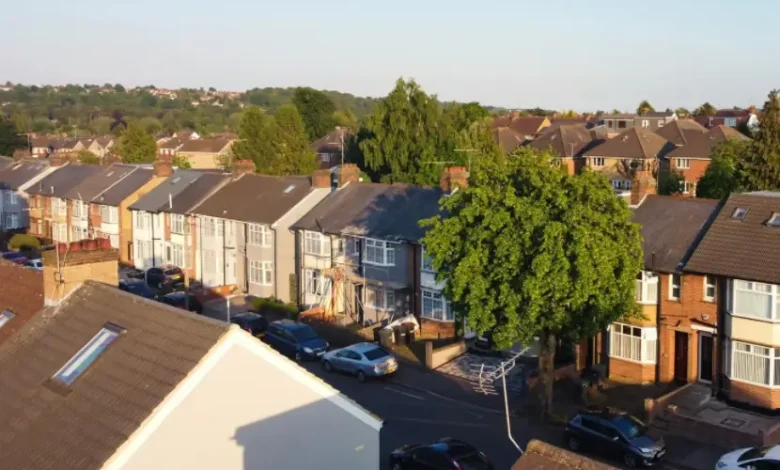
For millions of people in their twenties and thirties, homeownership has started to feel less like a rite of passage and more like a distant aspiration. Rising house prices, years of elevated mortgage rates, and the relentless grind of rent payments have conspired to push the prospect of buying a first home further and further out of reach. The average UK house price now sits at around £268,000, and in London that figure balloons past half a million. When the median home costs more than seven times the median annual salary, the arithmetic of homeownership becomes brutal for anyone without a substantial deposit, a generous family, or an unusually well-paid job.
And yet, the picture is not uniformly bleak. While the southern half of England remains deeply challenging for first-time buyers, significant swathes of the UK still offer a genuine, realistic path onto the property ladder — places where the price-to-earnings ratio is manageable, where a 5 or 10% deposit doesn’t require decades of saving, and where mortgage repayments compare favourably to renting. These places tend to be in the North of England, Scotland, Northern Ireland, and parts of the Midlands. They are not consolation prizes. Many are vibrant, growing cities and towns with strong employment bases, good transport links, and real quality of life. They simply happen to be affordable.
This article sets out where those places are, what they offer, and why 2026 — despite its headline turbulence — may present a quietly significant opportunity for those who can act.




The Affordability Framework: What We’re Actually Measuring
Before diving into specific locations, it’s worth being clear about what “affordable” means. The most widely used measure is the house price-to-earnings ratio — the cost of an average home divided by average annual earnings. The lower the ratio, the less of your income is being consumed by housing costs. According to ONS data for 2025, the two most affordable local authorities in England and Wales were Hyndburn in Lancashire and Kingston upon Hull, both with a ratio of just 4.1. Compare that to the national average of 7.6, or London’s 10.5, and the gulf becomes stark. Kensington and Chelsea, at a ratio of 25.2, sits at the extreme end of unaffordability — an average home there costs twenty-five times local annual earnings.
The affordability picture has actually been improving in recent years, albeit slowly. Since their peak in 2021, median house sale prices have risen by around 5%, while average earnings have grown by 25%. That divergence — wages rising faster than prices — has quietly eaten into the affordability gap across much of the country. The ONS found that housing affordability improved in two-thirds of local authority areas in England and Wales in 2025. Mortgage product availability has also increased: by January 2026, there were 7,158 mortgage products available — the highest total since October 2007 — including a record number of deals for buyers with deposits of just 5 or 10%. For first-time buyers in affordable areas, these conditions combine to create a more navigable market than many assume.
A word of caution, however: affordability ratios tell you about price relative to local earnings, but they don’t tell you about employment quality, transport connectivity, or future price growth prospects. A very cheap town where the local economy is stagnant is not the same kind of opportunity as an affordable city with a strong jobs market. Both factors matter, and the best first-time buyer locations combine low entry prices with a credible reason to expect long-term value growth.
The North East: Still the Benchmark for Affordability
The North East of England has been the most affordable region in England for years, and that remains true in 2026. The average house price across the region is £163,000 — barely 60% of the national average — and the regional affordability ratio sits at approximately 5.0. In some individual towns, the numbers are even more striking.
Burnley and Hyndburn, Lancashire technically sit in the North West, but they represent the extreme end of the affordability spectrum in England. Burnley has average house prices of around £117,000 to £120,000, and Hyndburn’s affordability ratio of 3.86 is the lowest in Lancashire and among the lowest in the entire country. Lower quartile properties — the kind a first-time buyer on a modest income would be looking at — can be found for well under £100,000. Terraced homes, the staple of the local market, are priced from as little as £70,000 to £80,000 in many streets. Despite the low prices, Burnley is well-connected: there are direct rail links to Manchester and Leeds, putting two of the country’s major employment hubs within commuting distance. The Forest of Bowland AONB is close by, and the town centre has benefitted from ongoing investment.
Hartlepool is one of the most frequently cited examples in any discussion of affordable UK property, and for good reason. Properties in Hartlepool regularly fall below £100,000, and the town’s price-to-disposable-income ratio is around 4.6 — comfortably below the national threshold of affordability. Average private rents in the town are among the lowest in England at around £567 per month, which also means renters can save deposits more quickly than in most parts of the country. The town has improved its offering considerably in recent years, with coastal access, investment in the marina district, and good road connections to Middlesbrough, Sunderland and the wider Teesside economy.
Shildon in County Durham represents the ultimate extreme of English affordability. The DL4 postcode has an average sold price of just £62,983 — 78% below the national average. For a first-time buyer purchasing at that level with a 10% deposit, the deposit required is around £6,300. Monthly mortgage repayments on the remainder, at current rates, would likely be lower than the equivalent rent in most of England. The town’s size and employment options are limited, but it sits within reasonable reach of Darlington, Bishop Auckland and Durham City, and for buyers whose work is flexible or remote, the numbers are genuinely extraordinary.
Sunderland and Middlesbrough occupy the more mainstream end of North East affordability — cheaper than the national average by a significant margin, but with the infrastructure and employment base of real cities. Middlesbrough average house prices are around £139,000. Sunderland offers a blend of coastal scenery, city amenities, and prices that remain well below £150,000 on average, with terraced homes available from £80,000 to £100,000. Both cities have universities, hospitals, and improving commercial districts, offering the kind of anchors that sustain long-term demand. For a first-time buyer in either city, the combination of relatively low prices, manageable mortgage costs, and a functioning urban economy is genuinely attractive.
Yorkshire and the Humber: Value with Momentum
Yorkshire had the fastest house price growth of any English region in the year to February 2026, at 3.9% — but it remains far more affordable than anywhere in the South. Average prices across Yorkshire and the Humber sit at around £210,000 to £220,000, and within the region there are pockets of remarkable value.
Kingston upon Hull — Hull — is a standout. Alongside Hyndburn, it is identified by the ONS as one of the two most affordable local authorities in England and Wales, with a price-to-earnings ratio of just 4.1. Zoopla puts Hull’s house-value-to-earnings ratio at around 4.1 for a solo buyer, noting it is possible to keep monthly housing costs under £450 — a figure that is almost unachievable in most of England’s cities. Hull has been through a genuine cultural renaissance in recent years, driven partly by its year as UK City of Culture in 2017, which left behind improved public spaces, galleries, and a more confident civic identity. The University of Hull provides an employment anchor and sustains demand for housing from both students and graduates who choose to stay. Its maritime heritage and the Fruit Market independent district offer real city character.
Bradford and Barnsley offer similar propositions: large towns with meaningful employment bases, average prices in the £150,000 to £180,000 range, and good rail connections to Leeds, Sheffield, and Manchester. Bradford in particular has a large and young population, a growing creative sector, and direct train services to Leeds in under twenty minutes. For a first-time buyer priced out of Leeds — where average prices have risen considerably — Bradford offers a realistic and well-connected alternative.
Scotland: The UK’s Most Competitive First-Time Buyer Market
Scotland deserves particular attention in any analysis of UK housing affordability. Not only are prices lower than England on average — the average Scottish house price was £187,000 in February 2026 — but the structure of the market, with its offers-over system and strong competition even at lower price points, means that in many Scottish towns, first-time buyers are operating in a market that actually functions on their behalf.
Nationwide’s 2026 local affordability report identifies Inverclyde as Britain’s most affordable local authority for first-time buyers, with average first-time buyer house prices running at approximately 2.3 times local earnings. The main town, Greenock, sits in the PA15 postcode, where average sold prices are around £56,823 — the cheapest postcode in the UK. This is on the Firth of Clyde, within reasonable commuting distance of Glasgow, and for buyers who can tolerate a commute, the price differential relative to the city is extraordinary.
Glasgow itself, with an average price of around £184,000, sits below the Scottish average and offers something that few UK cities can match at that price: genuine urban energy, a world-class cultural scene, strong employment across tech, finance, education, and creative industries, and a well-developed transport network. The city has been one of the most searched locations for first-time buyers across the UK, and the combination of affordability and lifestyle makes it arguably the best-value major city in Britain for those entering the market.
Aberdeen is another city worth examining carefully. Its average house price is around £198,000, and first-time buyers paid an average of £155,000 in February 2026 — a figure that compares favourably with almost anywhere in England south of the Midlands. Aberdeen’s economy, centred on the energy sector, has diversified significantly in recent years as part of a 15-year energy transition programme, and the city offers high-paying employment, a relatively low crime rate, and a walkable city centre. Zoopla puts Aberdeen at the top of its list of the most affordable UK cities to buy alone, with a house-value-to-earnings ratio of just 3.5 — the lowest of any UK city.
Motherwell, Falkirk, and Kirkcaldy round out the Scottish picture, all appearing in Zoopla’s 2026 rankings for house price growth potential and affordability. Motherwell’s average price of around £134,700 and strong market conditions — with fewer asking price reductions than almost anywhere else in the country — make it one of the most intriguing options for buyers who want both value and growth prospects.
Northern Ireland: The UK’s Fastest-Growing but Still Affordable Market
Northern Ireland presents a paradox: it is simultaneously the UK’s fastest-growing housing market and one of its most affordable. Average prices rose 7.5% in the year to Q4 2025, and Northern Ireland was the best-performing area in the UK in Q1 2026, with prices up 9.5% year on year. And yet the average price across the province is just £196,000 — £72,000 below the UK average. In Belfast, first-time buyers paid an average of £178,000 in late 2025, making it one of the most accessible capital cities in the UK or Ireland for new buyers.
The drivers of Northern Ireland’s growth are well understood: it is rebounding off a historically low base, having lagged behind the rest of the UK for the better part of a decade following the financial crisis. That catch-up process has further to run. In Derry City and Strabane, prices rose 13% year on year in early 2026; Mid Ulster was up 11.2%. For a first-time buyer in Belfast, this dynamic is both an opportunity and a pressure — prices are rising, but they are rising from a level that remains genuinely accessible, and the province’s strong sense of community and improving urban centres offer a quality of life that is easy to underestimate.
See also: Skin Revival: How Comprehensive Acne Care Delivers Real Results
The East Midlands: Overlooked Value at the Heart of England
The East Midlands is not a region that typically dominates affordability discussions — it lacks the extreme cheapness of County Durham or the cultural cachet of Glasgow — but it offers something that many of the most affordable areas cannot: a central location, strong transport connections, and a housing market that is stable rather than speculative.
The average house price across the East Midlands was £239,000 in February 2026, making it the fifth cheapest region in England and Wales out of ten. Within that regional average, however, there is considerable variation — and for first-time buyers, the most affordable parts of the East Midlands offer excellent value relative to what you get.
Mansfield is among the region’s most accessible markets for first-time buyers. The average first-time buyer price in Mansfield was approximately £167,000 in late 2025, and the town’s price-to-earnings ratio of around 5.4 — one of the lowest in the East Midlands — reflects a market that has not significantly overheated. Mansfield sits in the Maun Valley surrounded by rolling hills and just a short distance from Sherwood Forest and the National Trust’s Hardwick Hall. It is around nine miles from Nottingham city centre and has good road and bus connections across Nottinghamshire. Leading Mansfield estate agents, HoldenCopley, have identified the town as one of the region’s prime performers so far in 2026, although they suggest that the current affordability window may not last indefinitely.
Derby is perhaps the most compelling case in the East Midlands for first-time buyers. Zoopla describes it as “the most attainable city in the East Midlands”, noting that a single person on an average salary of around £31,200 can secure a quality home for under £650 per month in mortgage repayments. First-time buyers paid an average of £184,000 in Derby in late 2025. The city has a strong economic foundation — it is the UK’s engineering capital, home to Rolls-Royce’s jet engine manufacturing, and hosts a growing cluster of advanced manufacturing, logistics, and professional services employers. Derby is well-served by rail, with direct trains to Sheffield, Nottingham, Birmingham, and London St Pancras (around 1 hour 20 minutes). For a first-time buyer who wants urban amenities, employment stability, and genuinely manageable purchase prices, Derby represents one of the best-balanced options in England.
Nottingham itself, while slightly more expensive than Derby or Mansfield, remains meaningfully affordable by national standards. First-time buyers paid an average of £178,000 in February 2026. The city’s two universities — Nottingham and Nottingham Trent — with a combined student population of more than 70,000, create a deep and active housing market. The city centre has undergone significant regeneration over the past decade, its tram network provides affordable transport across the city, and areas such as Sherwood, Mapperley and Beeston offer good-value family housing within easy reach of the centre. For buyers on tighter budgets, areas like Bulwell and St Ann’s provide a genuine foothold at lower price points.
Elsewhere in the region, Lincoln offers a historically rich city with a distinctive skyline dominated by its medieval cathedral and castle, at average prices around £200,000. The city has good rail connections and a growing economy, though Zoopla’s data shows some of the weaker demand indicators in the East Midlands — with 40% of homes in the LN postcode area sitting on the market for more than six months, buyers currently have considerable leverage to negotiate.
For buyers open to suburban or smaller-town living, Swadlincote in South Derbyshire offers a mix of 2 and 3-bedroom homes under £200,000, with proximity to Burton upon Trent, Derby, and the wider Midlands via the A38. Ilkeston in Erewash, just 20 minutes from Derby and with good access to Nottingham, has undergone regeneration and still offers spacious 3-bedroom semi-detached or town houses for under £190,000 — an increasingly rare find at that specification within commuting distance of two major cities.
What About the Midlands and North West?
Stoke-on-Trent deserves mention as one of the most frequently cited affordable options in the Midlands more broadly. Nationwide identifies it as the most affordable area in the West Midlands for first-time buyers, with a price-to-earnings ratio of around 3.7. Average mortgage repayments in Stoke work out to approximately £513 per month — roughly half the cost of renting a similar property in more expensive parts of the Midlands. The city has good access to the Peak District and is equidistant from Manchester and Birmingham, with direct rail services to both.
Liverpool offers a city-centre lifestyle at a price-to-earnings ratio of around 4.3 — one of the most accessible of any major UK city. The Baltic Triangle and Georgian Quarter offer some of the most architecturally interesting urban living in England, and Liverpool’s cultural vitality is well-established. Average prices remain significantly below the national figure, and for a first-time buyer who values city life, Liverpool arguably offers the best value of any large English city in 2026.
What First-Time Buyers Should Take From All This
The consistent thread running through all of the locations above is that affordability and quality of life are not mutually exclusive. The cheap areas of the UK are not uniformly struggling — many are growing, regenerating, and improving. The key variables a first-time buyer should weigh are: the price-to-earnings ratio relative to their own salary; proximity to employment (or the viability of remote work); the direction of travel of local investment and infrastructure; and the quality of the housing stock available at the price point they can afford.
For buyers currently renting in expensive southern cities, the arithmetic of relocation can be dramatic. Selling the idea of moving is often harder than it should be — social ties, family networks, and inertia all pull against it. But for those with flexibility, a first-time buyer in Glasgow, Hull, Derby, or Sunderland will typically pay less on a monthly mortgage than they would on rent in Reading, Bristol, or London, and will be building equity rather than depleting savings.
The ONS confirms that affordability improved in two-thirds of English and Welsh local authorities in 2025, and earnings are rising faster than house prices in the majority of affordable areas. That trend is likely to continue into 2027 and 2028 as mortgage rates eventually ease further. The window of relative opportunity may not be open indefinitely — in the North East and Scotland especially, prices are already rising quickly. For first-time buyers who have been waiting for the right moment, the right places are becoming clearer. The remaining question is whether they are willing to look beyond the postcode they always imagined.