The Ultimate Guide to Investing in a Professional Microdermabrasion Machine: Elevate Your Esthetics Business

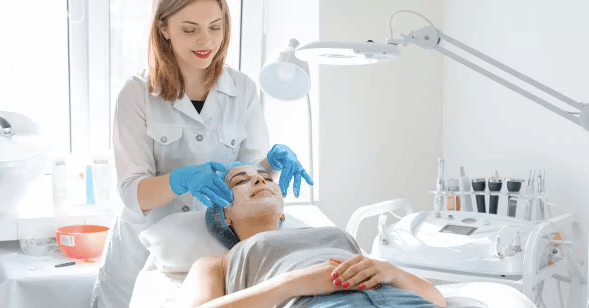
In the fast-paced and ever-evolving world of medical aesthetics and spa therapy, trends come and go with the seasons. However, certain foundational treatments remain timeless due to their undeniable efficacy, low risk, and high client satisfaction. Microdermabrasion is one of those cornerstone treatments. For estheticians, dermatologists, and spa owners, investing in a high-quality professional microdermabrasion machine is not just an equipment upgrade—it is a strategic business decision that promises an incredible return on investment.
Whether you are opening a new med-spa, expanding your current service menu, or looking to replace an outdated unit, navigating the vast market of esthetic equipment can be overwhelming. This comprehensive guide will explore everything you need to know about professional microdermabrasion machines, from the underlying science and machine types to crucial buying features, top brands, and business integration strategies.
The Science of Microdermabrasion: Why It Works
To understand the value of a professional microdermabrasion machine, one must first understand the clinical mechanics of the procedure. Microdermabrasion is a non-invasive, mechanical exfoliation process designed to remove the stratum corneum—the outermost layer of dead skin cells on the epidermis.




The human skin regenerates approximately every 30 days, pushing dead cells to the surface. As we age, this cellular turnover process slows down drastically, leading to a buildup of dead cells that makes the skin look dull, accentuates fine lines, and clogs pores. A professional microdermabrasion machine safely accelerates this shedding process.
Using a combination of targeted abrasion and vacuum suction, the machine dislodges these dead cells and immediately sweeps them away. The vacuum action is twofold: not only does it clear cellular debris, but the negative pressure also stimulates blood flow to the surface of the skin. This enhanced microcirculation delivers oxygen and vital nutrients to the tissue, while the mild trauma of the abrasion triggers the skin’s natural healing cascade. Consequently, the fibroblasts in the deeper dermal layers are stimulated to produce fresh collagen and elastin, resulting in firmer, more resilient skin over time.
Unlike chemical peels, which rely on acids to dissolve the cellular glue, mechanical microdermabrasion is entirely physically driven. This allows the practitioner to have absolute, real-time control over the depth of the exfoliation, making it a highly customizable treatment for a wide variety of skin types.
Core Skin Benefits for Your Clientele
When you market microdermabrasion to your clients, you are essentially offering a multi-purpose solution to a myriad of common skin complaints. A professional-grade machine allows you to deliver the following profound benefits:
- Anti-Aging and Wrinkle Reduction: By removing the rough top layer of skin and stimulating collagen, microdermabrasion dramatically softens the appearance of superficial fine lines and wrinkles, particularly around the mouth and eyes.
- Hyperpigmentation and Sun Damage: Consistent treatments can help fade age spots, melasma, and solar lentigines. By accelerating cellular turnover, the pigmented cells are shed more rapidly, revealing an even, brighter complexion.
- Acne Scarring and Texture: While it cannot treat deep ice-pick scars, microdermabrasion is incredibly effective at smoothing out raised, textural irregularities and shallow boxcar scars left behind by acne.
- Pore Refinement and Congestion: The vacuum suction is essentially a deep-cleaning extraction tool. It clears out oxidized sebum (blackheads) and dead cells trapped in the pores, making enlarged pores appear smaller and tighter.
- Enhanced Product Efficacy: One of the most immediate benefits is enhanced permeability. Once the dead skin barrier is removed, the active ingredients in professional serums, moisturizers, and chemical peels can penetrate up to 50% deeper, making subsequent treatments far more effective.
The 3 Main Types of Professional Microdermabrasion Machines
Not all microdermabrasion machines operate on the same mechanics. The industry has evolved, offering three distinct modalities. The best professional microdermabrasion machine for your practice will depend on your specific clientele, your budget, and your operational preferences.
1. Crystal Microdermabrasion Machines
Often referred to as the “traditional” method, crystal machines use a high-velocity wand to blast sterile, fine crystals—usually aluminum oxide or sodium bicarbonate—onto the skin’s surface. Simultaneously, the wand vacuums up the used crystals along with the exfoliated skin cells into a waste receptacle.
- The Pros: Crystal microdermabrasion is highly effective for deep exfoliation. It is excellent for thicker, oilier, or severely sun-damaged skin. Because it uses a blasting mechanism, it can cover large surface areas quickly and tackle stubborn textural issues.
- The Cons: It can be messy. Even with a strong vacuum, stray crystals can end up in the client’s hair or on their clothing. Additionally, there is a minor risk of crystals entering the client’s eyes or being inhaled, requiring strict protective measures. It also requires the ongoing purchase of consumable crystals.
2. Diamond-Tip Microdermabrasion Machines
This has rapidly become the industry standard for most day spas and dermatology clinics. Instead of blasting loose crystals, this machine utilizes a stainless steel wand embedded with crushed natural or synthetic diamonds. The esthetician glides the wand over the skin, manually scraping away dead cells while the vacuum sucks them up.
- The Pros: It is a completely crystal-free, clean procedure. There is zero risk of inhalation or eye irritation, making it perfectly safe to use extremely close to the delicate eye and mouth areas. The wands come in various sizes and grit levels (from fine to coarse), offering immense precision.
- The Cons: The wands require meticulous sanitization and sterilization between clients. Over time, the diamond grit will wear down, requiring the replacement of the tips to maintain treatment efficacy.
3. Hydrodermabrasion (Hydra-Dermabrasion) Machines
The latest evolution in the field, hydrodermabrasion combines mechanical exfoliation with liquid infusion. Instead of dry crystals or diamonds, these machines use a specialized tip that simultaneously exfoliates, vacuums, and infuses the skin with targeted serums (like hyaluronic acid, salicylic acid, or peptides).
- The Pros: It is incredibly gentle, making it the perfect solution for highly sensitive skin, rosacea-prone clients, or older, thinning skin. It leaves the skin immediately plump, hydrated, and glowing without any downtime or redness.
- The Cons: These machines represent a much higher initial investment. Furthermore, the proprietary serums required to run the machine add a significant ongoing consumable cost that must be factored into your pricing model.
See also: Why Bus Accidents Can Cause Serious Injuries
Crucial Features to Evaluate Before Purchasing
When browsing for a professional microdermabrasion machine, the specifications can be dizzying. To ensure you are investing in a machine that will endure back-to-back appointments and deliver flawless results, prioritize the following features:
Motor Power and Vacuum Suction
The hallmark of a professional machine versus an at-home toy is the motor. The suction power, measured in inches of mercury (inHg) or centimeters of mercury (cmHg), dictates the effectiveness of the treatment. A professional machine should offer a maximum suction power of at least 65 to 70 cmHg. More importantly, the motor must deliver consistent suction. A weak or fluctuating motor will result in streaky, uneven exfoliation and can cause skin bruising or broken capillaries.
Variable Control Settings
Every client’s skin is different. Your machine must have a highly responsive, easily adjustable suction dial. You need the ability to dial the pressure down to a whisper for treating the delicate under-eye area or sensitive skin, and crank it up for treating thick back skin or calloused hands.
Quality of Attachments and Handpieces
Examine the ergonomics of the wands. As an esthetician, you will be holding this tool for hours a day. It needs to be lightweight to prevent wrist fatigue but durable enough to withstand daily use. If purchasing a diamond system, ensure the kit comes with at least 9 different tip sizes and coarseness levels to accommodate different body parts and skin tolerances.
Filtration System
The internal filtration system protects the motor from being destroyed by dead skin, oils, and crystals. A high-quality professional microdermabrasion machine will have a dual-filtration system: an external filter that is changed between clients, and an internal HEPA filter to catch microscopic particles. Check how easy it is to access and change these filters before purchasing.
Portability vs. Tower Units
Consider your workspace. If you work in a tight treatment room or offer mobile spa services, a compact, tabletop unit weighing under 15 pounds is ideal. However, if you have a spacious clinic and want a machine that looks incredibly impressive to clients, a standalone tower unit with built-in storage for wands and filters might be the better aesthetic choice.
Multi-functional Capabilities
Many modern machines are not standalone; they are 4-in-1 or 8-in-1 towers that include microdermabrasion alongside other modalities like ultrasonic skin scrubbers, high-frequency wands, hot/cold hammers, and LED light therapy. While these multi-function machines save space and money, be aware that if the central motherboard fails, you lose all your tools at once. Dedicated, standalone microdermabrasion units often boast stronger, more reliable motors.
Top Brands and Industry Leaders
The market is flooded with cheap, imported machines that promise professional results but burn out within a year. To protect your investment, look to established, reputable brands known for their durability and customer support.
- Equipro: Known for their exceptional build quality, Equipro machines (like the Dermaglow II) are staples in high-end spas. They are famous for their virtually maintenance-free operation, precise digital controls, and most importantly, their lifetime warranties on select models.
- Silhouet-Tone: A powerhouse in esthetic equipment, Silhouet-Tone offers heavy-duty machines like the Vortex Peel and Essential Peel. Their patented turbo-flow projection systems offer some of the safest and most comfortable crystal exfoliation on the market.
- DiamondTome / Altair Instruments: Widely considered the pioneers of the crystal-free diamond microdermabrasion system. Their medical-grade machines are highly sought after by dermatologists and plastic surgeons for their clinical precision and durability.
- Budget-Friendly Professional Options: For newer estheticians or smaller spas, brands available through trusted distributors like Medical Spa Supply or Pure Spa Direct offer excellent mid-tier machines. Brands like Silver Fox offer reliable diamond units that provide professional-grade suction without the luxury price tag.
Business Strategy: ROI and Pricing Your Services
A professional microdermabrasion machine is one of the fastest ways to generate revenue in a spa setting. Let’s break down the return on investment (ROI).
A high-quality diamond microdermabrasion machine will cost between $1,000 and $3,500. Advanced hydrodermabrasion or top-tier crystal systems can range from $5,000 to $10,000+.
However, the cost per treatment is remarkably low. For a diamond tip machine, the cost of consumables (a disposable filter, a sanitary wipe, and perhaps a small amount of post-treatment serum) is often less than $2.00 per client.
The national average price for a professional microdermabrasion facial is between $100 and $200 per session, depending on your geographic location and the luxury level of your spa. If you purchase a $2,000 machine and charge $125 per treatment, you only need to perform 16 treatments to completely pay off the machine. After those initial 16 clients, the treatment becomes almost pure profit.
To maximize this revenue, integrate microdermabrasion into package deals. Because optimal results require a series of 4 to 6 sessions spaced a few weeks apart, sell packages up front. You can also use microdermabrasion as an “add-on” service. For an extra $50, you can add a quick 15-minute microdermabrasion pass to the face and décolleté before applying a hydrating mask or an enzyme peel.
Best Practices, Safety, and Maintenance
Owning the best professional microdermabrasion machine means nothing if you do not operate and maintain it with the utmost care. Strict adherence to safety and hygiene protocols is what separates a true professional from an amateur.
Client Contraindications
Never perform microdermabrasion without a thorough client consultation. The treatment is contraindicated for clients with active cystic acne, rosacea, uncontrolled diabetes (due to slow healing times), autoimmune disorders, or those who have taken isotretinoin (Accutane) within the last six months. Furthermore, avoid treating over active cold sores, eczema flare-ups, or unhealed sunburns.
Machine Maintenance and Sanitation
If you are using a diamond-tip machine, the wands and tips are considered semi-critical instruments because they come into direct contact with intact skin and potentially microscopic amounts of blood.
- Cleaning: Immediately after use, scrub the diamond tip with a small brush and an enzymatic cleaner to remove biological matter (dead skin and sebum).
- Disinfection/Sterilization: Place the tips in a hospital-grade liquid disinfectant (like Barbicide) for the required contact time, or ideally, run them through an autoclave.
- Machine Upkeep: Change the external inline cotton filters after every single client. Failure to do so will allow dead skin to travel into the motor, inevitably causing the machine to overheat and break down. For crystal machines, ensure you are emptying the waste canister daily and never reusing crystals, which is a massive cross-contamination hazard.
The Future of Microdermabrasion
As we move further into the decade, the demand for non-invasive, zero-downtime procedures is skyrocketing. Clients want instant gratification without the recovery time associated with aggressive lasers or deep chemical peels. A professional microdermabrasion machine answers this demand perfectly.
Looking forward, we will continue to see a blending of technologies. The most successful estheticians will not just perform microdermabrasion in a vacuum; they will stack modalities. Combining a thorough diamond microdermabrasion session with a mild lactic acid peel, followed by 20 minutes under an LED light therapy canopy, creates a comprehensive, high-ticket facial experience that delivers jaw-dropping, immediate results.
Conclusion
Purchasing a professional microdermabrasion machine is a profound step in your journey as a skincare expert. It is an investment in your craft, your business’s financial health, and, most importantly, the confidence and well-being of your clients. By understanding the varying technologies, prioritizing robust motor power and precise controls, and adhering to strict maintenance protocols, you ensure that your practice remains at the cutting edge of esthetic therapy. Take the time to research the top brands, evaluate your specific business needs, and choose a machine that will serve as the reliable workhorse of your treatment room for years to come.