The internet feels like a completely open space, but the reality is far more complicated. Every time you connect to a public network, browse a website, or stream content from another country, your digital footprint is being tracked. Internet service providers, advertisers, and even cybercriminals can monitor your online activity without you ever knowing it. That growing awareness is exactly why millions of people around the world are now using VPN services as part of their daily routine.
Understanding What a VPN Actually Does
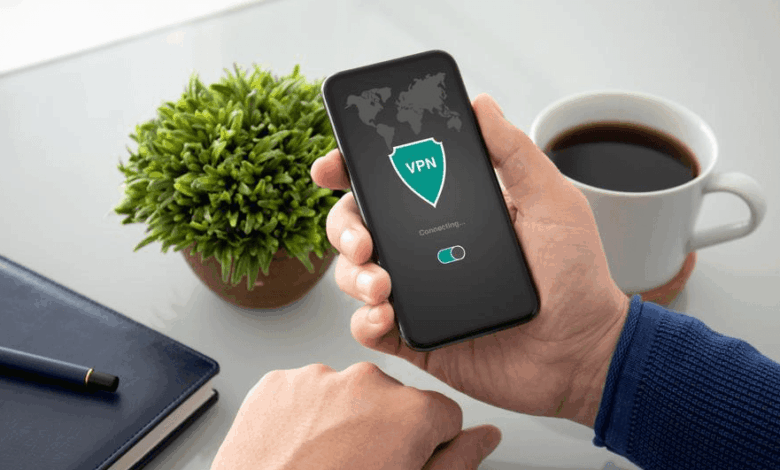
A Virtual Private Network creates a secure, encrypted tunnel between your device and the internet. Instead of your data traveling openly where anyone on the same network could intercept it, everything gets routed through a protected server. Your real IP address stays hidden, your browsing activity remains private, and your personal information stays out of the wrong hands.
Think of it like sending a letter inside a locked box rather than on an open postcard. The message still gets where it needs to go, but nobody along the way can read it. That simple concept is what makes VPN technology so valuable in a world where data breaches and privacy violations have become alarmingly common.



The Real Reasons People Use VPNs Today
A few years ago, VPNs were mostly associated with tech professionals and businesses protecting sensitive corporate data. That has changed dramatically. Today, everyday users rely on VPN services for a wide variety of practical reasons that go well beyond basic security.
Protecting Personal Data on Public Wi Fi
Coffee shops, airports, hotels, and libraries offer convenient free Wi Fi, but these networks are notoriously easy to exploit. Hackers can position themselves between your device and the connection point, capturing passwords, banking details, and personal messages without triggering a single alert. A VPN encrypts all of that traffic, making it virtually impossible for anyone to intercept your information on shared networks.
Accessing Content Without Geographic Restrictions
Streaming platforms, news websites, and online services often restrict content based on your physical location. A VPN allows you to connect through servers in different countries, giving you access to content libraries and services that might otherwise be unavailable in your region. For travelers and expats especially, this feature is incredibly valuable for staying connected to the media and platforms they use back home.
Maintaining Privacy from ISPs and Advertisers
Your internet service provider can see every website you visit, and in many countries, they are legally allowed to sell that data to third party advertisers. A VPN prevents your ISP from tracking your browsing habits, which means fewer targeted ads following you across the internet and greater control over your personal information.
See also: Discover the Best Tech Guitars with Detachable Neck
Choosing the Right VPN for Your Needs
Not all VPN services are created equal, and picking the wrong one can actually make your privacy situation worse rather than better. Free VPN providers often monetize their services by logging user data and selling it, which completely defeats the purpose. When evaluating VPN options, there are several important factors to consider.
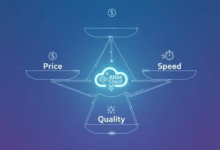
Speed matters a lot, especially if you plan to stream video, participate in video calls, or download large files. A good VPN should have minimal impact on your connection speed so your online experience feels smooth and natural. Server coverage is another critical factor. The more server locations a provider offers, the more flexibility you have in choosing where your traffic appears to originate from.
Security protocols also deserve close attention. Look for providers that use modern encryption standards and offer features like automatic kill switches that protect your data if the VPN connection drops unexpectedly. LetsVPN is one provider that has gained popularity among users looking for a balance of speed, security, and ease of use across multiple devices.
Compatibility across platforms is equally important. Whether you use Windows, Mac, iOS, or Android, your VPN should work seamlessly on every device you own without requiring complicated setup processes.
Common Misconceptions About VPN Usage
Some people assume that using a VPN is only necessary for those who have something to hide. That could not be further from the truth. Privacy is a fundamental right, not a privilege reserved for people engaged in questionable activities. Using a VPN is no different from closing your curtains at home. You are not doing anything wrong. You simply prefer that strangers are not watching.
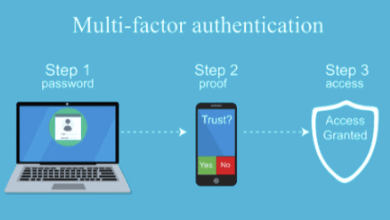
Another common myth is that VPNs make you completely anonymous online. While they significantly enhance your privacy, no single tool provides absolute anonymity. VPNs are most effective when combined with other good security habits like using strong passwords, enabling two factor authentication, and being cautious about the links you click.
Making Online Privacy a Daily Habit
The digital landscape continues to evolve, and so do the threats that come with it. Incorporating a VPN into your daily internet usage is one of the simplest and most effective steps you can take to protect yourself. It takes minutes to set up, runs quietly in the background, and gives you meaningful control over who sees your online activity.
Whether you are working remotely from a hotel lobby, streaming your favorite shows while traveling abroad, or simply browsing from the comfort of your couch, a reliable VPN service keeps your connection private and your data secure. In a world where personal information has become one of the most valuable commodities, taking ownership of your digital privacy is not just smart. It is essential.