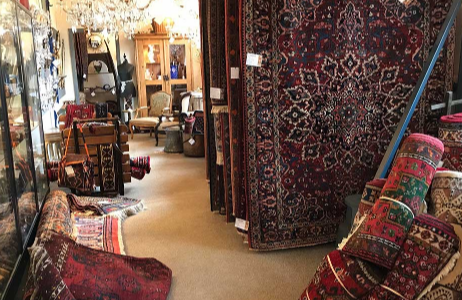
Antique rugs are more than just decorative floor coverings—they are timeless works of art that carry centuries of culture, craftsmanship, and history. Whether placed in a modern living room or a traditional setting, these rugs bring elegance, warmth, and character to any space.
In this comprehensive guide, you’ll learn everything about antique rugs, including their history, types, how to identify authentic pieces, and practical buying tips.
What Are Antique Rugs?
An antique rug is generally defined as a rug that is at least 80–100 years old. These rugs are handcrafted using traditional weaving techniques, natural dyes, and high-quality materials such as wool, silk, or cotton.


Unlike modern machine-made carpets, antique rugs are valued for their:
- Unique patterns
- Hand-knotted construction
- Cultural significance
- Long-lasting durability
The History of Antique Rugs
The history of antique rugs dates back thousands of years, with early examples found in regions like:
- Persia (modern-day Iran)
- Turkey (Anatolia)
- Central Asia
- India
- China
One of the oldest known rugs, the Pazyryk Carpet, dates back to the 5th century BCE and showcases advanced weaving techniques even in ancient times.
Over centuries, rug-making evolved into a highly respected art form, with each region developing its own distinctive patterns, colors, and weaving styles.
Types of Antique Rugs
Antique rugs come in various styles, each reflecting the culture and traditions of its origin.
1. Persian Antique Rugs
These are among the most famous and valuable rugs in the world.
Key Features:
- Intricate floral and medallion designs
- Rich color palettes
- High knot density
Popular varieties include Tabriz, Kashan, and Isfahan rugs.
2. Turkish (Anatolian) Rugs
Known for bold patterns and geometric designs.
Characteristics:
- Symmetrical knots
- Bright colors like red, blue, and gold
- Tribal and symbolic motifs
3. Oriental Rugs
A broad category that includes rugs from Asia, including Persian, Chinese, and Indian rugs.
Highlights:
- Detailed craftsmanship
- Cultural symbolism
- Elegant designs
4. Caucasian Rugs
Originating from the Caucasus region, these rugs are known for their vibrant geometric patterns.
Features:
- Strong colors
- Tribal influences
- Durable construction
5. Chinese Antique Rugs
These rugs often feature minimalistic designs compared to Persian rugs.
Common Elements:
- Dragons, clouds, and floral motifs
- Soft, muted color tones
- Silk and wool blends
How Antique Rugs Are Made
Antique rugs are handcrafted using traditional techniques that have been passed down through generations.
Materials Used
- Wool: Most common, durable, and soft
- Silk: Luxurious and detailed
- Cotton: Used for the foundation
Weaving Techniques
- Hand-knotting (most valuable)
- Hand-tufting (less valuable)
- Flat weaving (used in kilims)
Natural Dyes
Antique rugs use dyes derived from:
- Plants (indigo, madder root)
- Minerals
- Insects (cochineal for red tones)
How to Identify Authentic Antique Rugs
With many replicas in the market, identifying a genuine antique rug is crucial.
1. Check the Back of the Rug
Hand-knotted rugs show the same pattern on the back as on the front.
2. Look for Natural Wear
Authentic antique rugs show:
- Slight fading
- Uneven edges
- Signs of aging
3. Inspect the Knots
Higher knot density usually means better quality and detail.
4. Color Variations
Natural dyes often create slight color inconsistencies, known as “abrash,” which is a sign of authenticity.
5. Materials
Real antique rugs use natural fibers—not synthetic ones.
Why Antique Rugs Are Valuable
Antique rugs are considered investments due to several factors:
Craftsmanship
Each rug can take months or even years to complete by hand.
Rarity
Older rugs are limited in supply, increasing their value over time.
Cultural Significance
Each piece tells a story of its region and era.
Durability
High-quality materials and techniques allow these rugs to last for generations.
Benefits of Decorating with Antique Rugs
Adding an antique rug to your home offers multiple advantages:
- Timeless aesthetic appeal
- Unique, one-of-a-kind design
- Durability and longevity
- Eco-friendly (no synthetic materials)
- Increases interior value
How to Care for Antique Rugs
Proper care ensures your antique rug lasts for decades.
Regular Maintenance
- Vacuum gently without a beater bar
- Rotate the rug to ensure even wear
Cleaning Tips
- Avoid harsh chemicals
- Use professional rug cleaning services
Storage
- Store in a dry, cool place
- Roll instead of folding
- Use breathable fabric covers
Protection
- Keep away from direct sunlight
- Use rug pads to reduce friction
Tips for Buying Antique Rugs
Buying an antique rug can be a rewarding investment if done correctly.
1. Buy from Reputable Dealers
Always choose trusted sellers or certified antique dealers.
2. Set a Budget
Prices can range from a few hundred to thousands of dollars.
3. Know Your Space
Measure your room to ensure the rug fits perfectly.
4. Understand the Origin
Different regions have different value levels and styles.
5. Ask for Documentation
Authenticity certificates can add value and trust.
Antique Rugs vs. Vintage Rugs
It’s important to understand the difference:
| Type | Age | Characteristics |
| Antique Rugs | 80–100+ years | Rare, high value, handmade |
| Vintage Rugs | 20–80 years | Stylish, less expensive |
Are Antique Rugs a Good Investment?
Yes, antique rugs can be a strong investment if:
- Properly maintained
- Purchased from reputable sources
- Rare or high-quality
Over time, their value often appreciates, especially for well-preserved pieces.
Common Mistakes to Avoid
When buying or maintaining antique rugs, avoid:
- Buying without research
- Ignoring damage or repairs
- Using harsh cleaning methods
- Placing rugs in high-moisture areas
- Falling for cheap imitations
Conclusion
Antique rugs are a perfect blend of art, history, and functionality. Their unique designs, unmatched craftsmanship, and long-lasting durability make them a valuable addition to any home.
Whether you are a collector, interior design enthusiast, or first-time buyer, understanding antique rugs will help you make smarter decisions and appreciate their true beauty.
FAQs
1. How can I tell if a rug is truly antique?
Check its age (80+ years), hand-knotted structure, natural dyes, and signs of wear.
2. Are antique rugs expensive?
Prices vary widely, but authentic pieces can range from hundreds to thousands depending on quality and origin.
3. Can antique rugs be used daily?
Yes, but they should be placed in low-traffic areas to preserve their condition.
4. Do antique rugs increase in value?
High-quality antique rugs often appreciate over time, especially rare pieces.
5. What is the best material for antique rugs?
Wool is the most common and durable, while silk offers luxury and intricate detail.