Step into any plant that’s running a ball mill, and you get a glimpse into the real nuts and bolts of the operation. That constantly spinning shell is where the real action is happening, and the grinding media is doing more than just bumping around in there. In reality, it’s the driving force behind reducing particle size, transferring energy, keeping contamination levels in check, and ultimately – the plant’s bottom line.
But what you see all too often is companies treating grinding balls as just another ordinary purchase to be ticked off the list. They scan prices per kilogram, place an order, and move on. But the truth is, this kind of mindset is leaving money on the table.
Choosing the right industrial milling media isn’t just a purchasing decision – it’s a real engineering strategy.




Why Grinding Media Deserves a Slightly More Careful Look
The engineers know that procurement sometimes misses the point. They know that the right grinding media can make a real difference in:
- Throughput (how fast can you get the job done?)
- Energy consumption
- Particle size distribution (how consistent is your product?)
- Equipment wear and tear (the longer it lasts, the better)
- Downtime
- Product contamination (something that can cost you big time)
The thing is, even a tiny five percent improvement in grinding efficiency can add up to serious savings over the course of a year. But it’s a pipe dream if the wrong media is used. The wrong media can cause a whole host of problems. And one of them is industrial milling media.
That’s when you start to think about comminution, the process of breaking down material into smaller bits.
In mineral processing plants, comminution is one of the biggest power consumers and can consume a significant portion of the plant’s total energy use. What this means is that media performance often matters, especially when energy costs start going through the roof.
So what are the key considerations when selecting the right grinding media?
See also: How Energy Broker Services Can Save Your Business Money
5 Key Factors to Think About When Picking the Right Media
Choosing the right grinding media isn’t a decision to be taken lightly. It affects your performance, costs, and product quality. So here are five key factors to keep in mind as you go about the selection process.
1. Density
Density is the hidden force driving every collision. It plays a big part in determining just how much whack each collision gives inside the mill. Heavier media packs a bigger punch, which is great if you’re working with really hard, tough stuff.
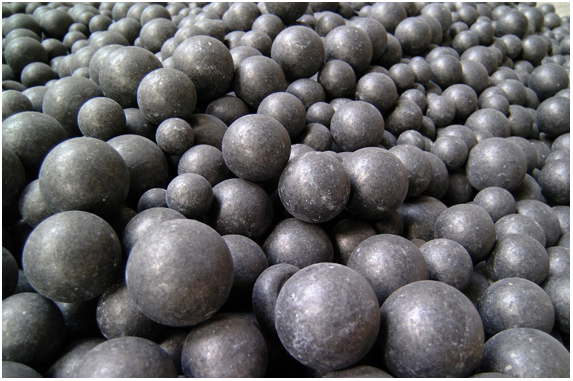
Still, steel is a top choice because of its high density. It can deliver a lot of impact energy inside the mill. But Zirconia is worth a look too – it’s got a similar density to steel but is way more durable.
And then there are the lighter ceramic options, which might not pack the same punch, but they bring other benefits to the table. The key is finding the right density for your material and your grinding objectives.
2. The High Cost of Wear
Wear is a major problem – it plays havoc with both the bottom line and the quality of your product. The thing is, some media just wear down faster than others, so when they do, you’re faced with the hassle of replacing them all the time, which, of course, adds to your material costs and downtime. And to make matters worse, it can also introduce all sorts of unwanted contaminants that no one wants to deal with.
The thing you have to keep in mind when it comes to grinding media is that ceramic and zirconia just last a heck of a lot longer. They do a way better job of keeping the product pure, and that’s a big deal – at least when it comes to high-end industries like pharmaceuticals. Yes, the initial cost is higher, but the reality is that you usually end up saving money in the long run because of how the total operating expenses work out.
3. Chemical Compatibility
In the high-stakes world of pharmaceuticals, fine chemicals, and high-end ceramics, even a teensy bit of contamination can be enough to ruin an entire batch – that’s how sensitive it all is. So it’s no surprise that the grinding media has to be chemically stable and inert.
That’s why ceramic-based media are so popular – they reduce the risk of unwanted reactions, and that is just as important as anything else. And the truth is, understanding the chemistry of your material can be the key to picking the right grinding media for the job.
4. Grinding it Down – Size and Distribution
Big balls are obviously best for breaking up coarse material, no question. On the other hand, smaller balls are better at creating contact points, which makes them better suited for fine grinding.
But even so, many plants find themselves combining different sizes in one go to balance out the impact and wear. In practice, this mix actually improves particle uniformity and overall efficiency. Choosing the right size distribution can be just as important as picking the right material, even if it does take some trial and error.
5. Keeping the Motion Smooth – Shape and Consistency
When your grinding media is nice and uniform and spherical, it moves predictably inside the mill – and that means it rolls and cascades in a nice, controlled pattern, which of course makes grinding more efficient.
Conversely, irregular or broken pieces mess up that motion and just lower efficiency and wear down the liners faster. And the thing is that consistency counts a lot more than many operators might think.
Comparing the Main Media Types
Different applications call for different solutions.
Steel media is widely used because it delivers a strong impact at a relatively low upfront cost. It’s not uncommon in heavy-duty milling ops and in applications where contamination isn’t a major concern. However, many traditional tumbling media systems use steel just because it’s durable and powerful.
Ceramic media, including alumina-based products, offers a nice balance between cost and wear resistance. It often reduces contamination and performs well in moderate-purity environments.
Zirconia media is at the premium end. It offers high density, exceptional wear resistance, and minimal contamination. For advanced materials and fine particle targets, zirconia media often delivers the lowest cost per ton in the long run, even though the initial cost is higher.
And then there’s stainless steel tumbling media, which can often be a good middle ground in certain environments where corrosion is a problem. It’s got the strength of steel but also better resistance to rust and chemical interaction.
Performance Never Stops at Selection
Even the best of media is only going to perform as well as the system it’s in.
When you’re talking grinding media levels, you’ve got to strike a balance between impact and energy use. Too little media and you’ve got low collision frequency and efficiency. On the other hand, too much media slows the mill down and wastes energy on friction rather than actually breaking up particles.
And don’t even get me started on the importance of rotational speed. Running near the critical speed is usually the most efficient way to do things, without putting too much extra wear on the equipment.
Another thing to keep an eye on is slurry density. Thicker slurry will absorb a lot of that impact energy, while thinner slurry will let the material move through too fast and not get ground up enough.
And then there’s temperature control – which is often overlooked, but really shouldn’t be. Heat can accelerate wear and even change the properties of what you’re working with.
Based on this, it’s really important to get these variables just right. That way, your media does what it’s supposed to do.
Think in Terms of Cost per Ton
Cost is definitely a factor when choosing your grinding media. However, considering only the initial price is short-sighted. What really matters is what the total cost is per ton processed.
For example, a low-cost steel ball that wears out in a few months may be saving you money upfront, but it’s also going to mean you’ve got to shut down the mill more often, and you’ll probably end up with contamination issues as well. On the other hand, a higher-cost zirconia ball that lasts three times as long and reduces rejects will end up saving you money in the long run.
A few pigment manufacturers found this out the hard way and ended up switching to stabilized zirconia and optimizing the particle size distribution. And this cost them a bit more upfront, even though it eventually improves their plant’s stability and profitability.
The Key Takeaway
Grinding media is the heart of what makes your milling performance work – and it affects everything from energy use to product quality, to how long the equipment lasts, and just how much it costs to run.
Which is why treating it like just a commodity limits you, but if you treat it as a real engineering decision, you can use it to really stand out from the competition.
At the end of the day, the gap between average results and peak performance is mostly just about what’s going on inside the mill.