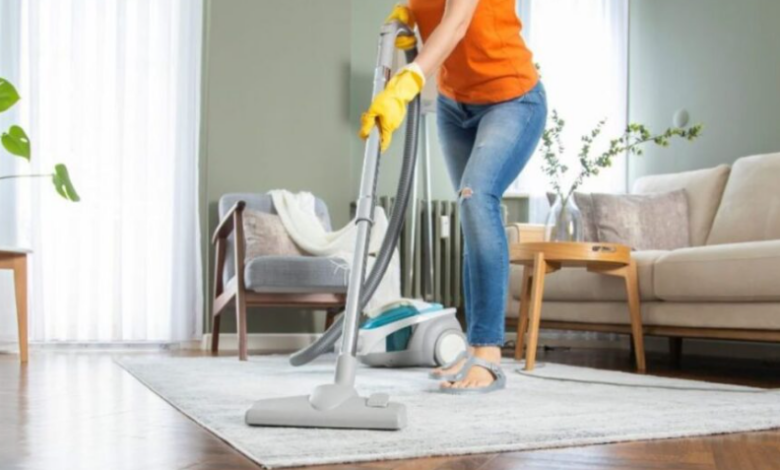
Floor cleanliness is about far more than appearances. It directly influences indoor air quality, household hygiene, and the long-term condition of your flooring. Whether you’re managing a busy home full of children and pets or simply dealing with heavily used entryways and living rooms, having the right tools—like a cordless vacuum—can make a real difference in how efficiently you keep things clean. A truly sustainable approach to floor care brings together the right knowledge, consistent daily habits, and equipment suited to your specific needs.
Understanding Floor Types and Their Maintenance Needs
Not all floors are created equal. Hardwood, tile, laminate, carpet, and vinyl each accumulate dirt in different ways and respond to cleaning methods accordingly. Hardwood is particularly vulnerable to moisture damage, while tile grout has a knack for trapping bacteria and grime in its porous surface. Carpet fibers, meanwhile, hold allergens deep within the pile where casual cleaning rarely reaches. Identifying your floor type before reaching for a product is essential—using the wrong technique or formula can accelerate wear rather than prevent it.
See also: Unlocking Your Home’s Value: Navigating Equity Release Loans


Daily Habits That Prevent Excessive Floor Soiling
Prevention consistently outperforms remediation. A few small, deliberate actions each day can dramatically reduce the need for intensive cleaning later on. Some habits worth building:
- Place high-absorbency doormats at every entry point to catch dirt before it travels further into the home
- Implement a shoe-removal policy near entryways to limit the outdoor contaminants tracked inside
- Address spills right away—liquid left to sit can stain, warp, or become a breeding ground for bacteria
- Set up a simple paw-cleaning station near pet entry points during muddy seasons
Seasonal changes deserve attention too. Winter months bring in road salt and excess moisture, while summer tends to increase dust and pollen levels indoors. Adjusting your routine to reflect these shifts protects both your floors and your household’s overall health.
Developing an Effective Weekly Cleaning Schedule
A realistic maintenance schedule focuses attention where it matters most—high-traffic zones like entryways, kitchens, and living rooms—rather than spreading effort evenly across spaces that rarely see use. For most households, vacuuming or sweeping these areas two to three times per week, paired with a thorough mop or deep clean once a week, strikes a workable balance. Homes with young children, pets, or elderly residents may need to increase that frequency. The goal here is consistency, not perfection.
Deep Cleaning Techniques for Different Floor Surfaces
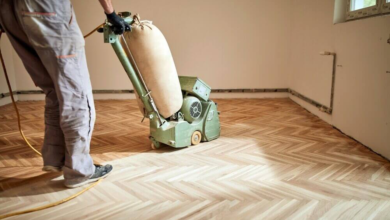
Routine maintenance can only go so far. Periodic deep cleaning tackles the buildup that daily upkeep leaves behind. Hardwood floors respond best to a pH-neutral cleaner applied sparingly—excess water is their enemy. Tile grout benefits from a stiff brush and an oxygen-based cleaner to lift discoloration. Carpets require either hot water extraction or dry compound cleaning to pull out embedded debris and neutralize odors. Laminate and vinyl should never be soaked; damp mopping with a well-wrung cloth is the safest method. When damage or buildup has progressed significantly, a professional flooring service is often the most cost-effective path forward.
Addressing Common Floor Maintenance Challenges
Stubborn stains, lingering odors, and surface scratches rank among the most common frustrations in high-traffic homes. When tackling stains, a systematic approach makes all the difference: blot rather than scrub, work from the outer edge inward, and always test any cleaning solution on a hidden area before applying it broadly. For allergen control, regular vacuuming with a HEPA-filtered device can meaningfully reduce dust mite and pet dander levels throughout the home. On the prevention side, felt pads placed under furniture legs offer simple, effective protection against scratches.
Environmental and Health Considerations
Many conventional cleaning products contain volatile organic compounds (VOCs) that quietly degrade indoor air quality over time. Choosing plant-based or certified low-VOC alternatives is a straightforward way to keep floors clean without introducing new health risks in the process. The Environmental Protection Agency has linked poor indoor air quality to respiratory problems—a concern that carries particular weight in homes with children or allergy sufferers.
Closing Thoughts
Keeping floors clean in a high-traffic household comes down to building sustainable systems rather than relying on the occasional burst of intensive effort. Tailor your approach to your floor type, the makeup of your household, and the rhythms of your daily life. A good starting point is identifying the weakest link in your current routine—whether that’s inconsistent daily habits or a deep clean that’s long overdue—and tackling it this week. Small, deliberate improvements have a way of compounding into a noticeably healthier and more comfortable home.