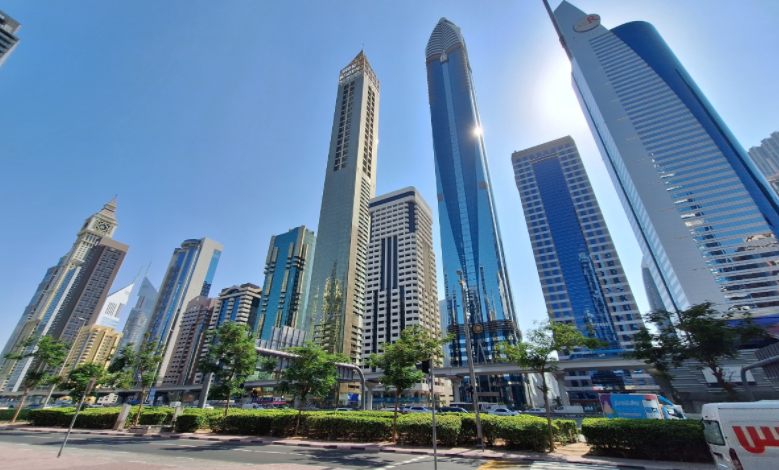
When you look at the skyline of Abu Dhabi, it is easy to be captivated by the shimmering glass towers and avant-garde architecture. But beneath the surface of this vertical ambition lies a horizontal strategy that is quietly revolutionizing the property market: infrastructure-first development.
Gone are the days when residential blocks were erected in isolation, leaving residents to wait years for proper roads or utilities. Today, the capital is undergoing a fundamental shift in urban planning. By prioritizing foundational elements—transport networks, energy grids, and green spaces—before breaking ground on residential units, Abu Dhabi is creating a more stable, sustainable, and lucrative environment for investors.
This approach is not just about convenience; it is an economic safeguard. As the emirate advances toward the goals of Plan Abu Dhabi 2030, this infrastructure-led model is proving to be the key driver of long-term property value, offering a compelling alternative to the volatility often seen in rapid-growth markets.

Defining Infrastructure-First: The New Blueprint
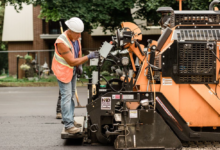
The “infrastructure-first” philosophy flips the traditional real estate script. Instead of building homes and retrofitting the necessary services later, developers and government entities are now laying the groundwork first. This means establishing utilities, transportation links, digital connectivity, and community amenities as the precursors to residential expansion.
This method ensures that when a homeowner receives their keys, they are stepping into a fully functioning ecosystem rather than a construction site. It aligns with the government’s broader vision to filter out unsustainable projects and focus on integrated urban planning. By ensuring that the “bones” of a community are robust before the “flesh” is added, the emirate is effectively future-proofing its real estate sector against the growing pains that often plague rapidly expanding cities.
Economic Impact: The “Connectivity Premium”
The relationship between transport infrastructure and property value is a well-established trend worldwide, and in Abu Dhabi, it is emerging as a key factor shaping the real estate market. The development of significant connectivity projects, such as improved road networks and transport hubs, is not only enhancing accessibility but also driving substantial property appreciation in certain areas. These projects are creating clearly defined zones of high value, where the convenience and efficiency of transport options become a primary attraction for both residents and investors. This dynamic highlights how infrastructure improvements can serve as a catalyst for growth in the property market.
The Etihad Rail and Metro Effect
The Etihad Rail network, a cornerstone of the UAE’s logistics and transport future, is set to connect Abu Dhabi to Dubai with travel times as short as 50 minutes. Similarly, the developing Abu Dhabi Metro and Light Rail Transit (LRT) systems are poised to transform intra-city mobility.
Data suggests that properties located near these major transport hubs can experience value surges of 15–20%. This “connectivity premium” is driven by the sheer convenience of reduced commute times and access to the wider UAE network. For investors, these transport corridors represent safe harbors where demand is insulated by the permanent utility of the infrastructure.
A Surge in Strategic Projects
The economic momentum is palpable. With billions of dirhams funneled into projects across the capital—ranging from transport to utilities—the market is responding with increased inventory. Forecasts indicate the delivery of approximately 10,800 new residential units in 2025 alone, specifically clustered around these well-serviced zones. This alignment of supply with infrastructure delivery suggests a maturing market where growth is calculated rather than chaotic.
See also: How Energy Broker Services Can Save Your Business Money
Risk Mitigation: Stabilizing the Asset
One of the overlooked benefits of infrastructure-first development is its role in risk mitigation, particularly regarding Homeowners’ Association (HOA) stability and maintenance costs.
In developments where infrastructure was an afterthought, HOAs often face ballooning costs to patch up inadequate utilities or belatedly install amenities. This leads to higher service charges for owners and potential degradation of the community’s quality over time.
By contrast, communities built on an “infrastructure-first” basis have their major capital expenditures handled upfront. High-quality roads, drainage, and smart grids are installed to modern standards from day one. This reduces the immediate strain on maintenance funds, keeping service charges predictable and ensuring the development remains pristine. For the investor, this translates to higher net yields and a smoother exit strategy when it comes time to sell.
Sustainability and ESG: The Green Advantage
Modern tenants and buyers are increasingly eco-conscious, and Abu Dhabi’s infrastructure strategy is pivoting to meet this demand through Environmental, Social, and Governance (ESG) criteria.
The infrastructure-first model allows for the seamless integration of green technologies. District cooling systems, which are far more energy-efficient than individual AC units, can be piped in during the initial groundworks. Smart water management systems and solar-ready grids can be standardized across the development.
Furthermore, this approach prioritizes “livability” by zoning for parks and green spaces before density targets are met. The result is a reduction in the urban heat island effect and a boost in mental well-being for residents. Properties in these green, smart-enabled zones are likely to see better long-term appreciation as global and local regulations continue to tighten around carbon footprints and energy efficiency.
Why Investors Are Pivoting
The smart money is moving away from speculative off-plan projects with vague promises and toward developments backed by tangible infrastructure. The reasons are clear:
- Predictability: Government-backed infrastructure projects like the Midfield Terminal expansion or Etihad Rail have defined timelines and budgets, providing a timeline for capital appreciation.
- Yield Stability: Tenants pay a premium for convenience. A finished road network, active metro station, and operational district cooling system command higher rents than a “promising” location that is still a construction zone.
- Lower Risk: The best real estate companies in Abu Dhabi are those aligning their portfolios with these government infrastructure nodes, offering investors a layer of security that standalone projects cannot match.
Why Investing in Abu Dhabi’s Future Starts Today
Abu Dhabi is no longer just building buildings; it is building cities within a city. The shift to infrastructure-first development marks the maturation of the capital’s real estate market. It signifies a move from rapid, volume-based construction to strategic, value-based creation.
For the investor, this signals a clear path forward. The most lucrative opportunities in the coming decade will not necessarily be found in the tallest towers, but in the locations best connected by rail, road, and smart utilities. As the 2030 vision materializes, those who invest in the “bones” of the city today will see the greatest rewards when the full vision comes to life.