In an age where a $10 digital watch can keep better time than a $10,000 mechanical one, why does the luxury watch market continue to thrive? The answer doesn’t lie in utility; it lies in the soul of the machine. Luxury watches the likes of Rolex, Patek Philippe, and Audemars Piguet are not just tools. They are “mechanical art,” a testament to human engineering, and a legacy that you wear on your wrist. In this article, we explore the fascinating world of high-end horology and why these masterpieces are considered the ultimate investment like a Seiko mod datejust
1. The Heritage of Excellence: Centuries of Innovation
Luxury watchmaking, or “Horology,” is a craft that dates back hundreds of years. Most of the famous Swiss brands we know today have survived world wars, economic depressions, and the “Quartz Crisis” of the 1970s. When you buy a luxury watch, you aren’t just buying metal and gears; you are buying a piece of history.
- Swiss Made: The label “Swiss Made” isn’t just marketing. It is a legally protected standard. For a watch to bear this name, a significant portion of its production and its final inspection must happen in Switzerland.
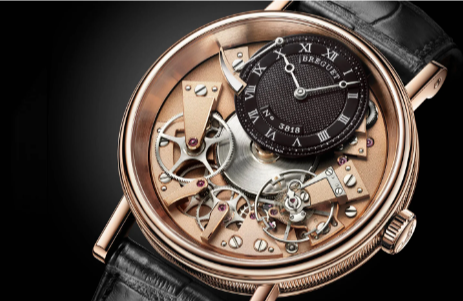
- Hand-Finished Movements: Unlike mass-produced watches, luxury pieces often feature movements where every tiny screw is polished by hand, and every plate is decorated with intricate patterns like Côtes de Genève or Perlage.
- Innovation: Luxury brands are the ones who push the boundaries. From the first waterproof case to the invention of the “Tourbillon” (a device that counters the effects of gravity on the watch), these brands are the pioneers of the industry.
2. The Anatomy of a Masterpiece: Materials and Components
What makes a watch “luxury”? It starts with the ingredients. While a standard watch uses basic steel or plastic, a luxury timepiece uses materials are often as rare as they are beautiful.



- 904L Stainless Steel: While most brands use 316L steel, Rolex uses 904L, a super-alloy that is harder to machine but offers incredible corrosion resistance and a unique “glow” when polished.
- Precious Metals: We aren’t just talking about gold-plating. Luxury watches use solid 18k gold, platinum, and “Everose” (a proprietary rose gold that never loses its color).
- Sapphire Crystal: Almost all luxury watches use scratch-resistant sapphire. It is so hard that only a diamond can scratch it, ensuring the face of your watch stays pristine for decades.
- In-House Movements: This is a big one for collectors. An “in-house” movement means the brand designed and built the engine of the watch themselves, rather than buying it from a mass manufacturer. It’s the difference between a custom-built Ferrari engine and a standard sedan engine.
3. The “Big Three” and the Icons of the Industry
If you are entering the world of luxury watches, there are certain names that command instant respect. Collectors often refer to the “Holy Trinity” of watchmaking:
- Patek Philippe: The ultimate symbol of status and tradition. Their motto says it all: “You never actually own a Patek Philippe. You merely look after it for the next generation.”
- Audemars Piguet: Known for the “Royal Oak,” the watch that made stainless steel as desirable as gold. Its octagonal design and exposed screws changed the industry forever.
- Vacheron Constantin: The oldest continuously operating watch manufacturer in the world. Their designs are the peak of classic elegance and complexity.
- Rolex: While not part of the “Trinity,” Rolex is the most famous brand on earth. Models like the Submariner, Daytona, and Datejust are recognized globally as symbols of success and reliability.
4. Investing in Time: Do Luxury Watches Hold Value?
This is the most common question in the “Review” world: Is a luxury watch a good investment? The answer is: It depends. While most consumer goods (like cars or electronics) lose value the moment you use them, certain luxury watches behave more like real estate or fine art.
- Scarcity and Demand: Brands like Rolex and Patek Philippe intentionally limit production. This creates a “Waitlist” culture. If you can buy a popular model at retail price, it is often worth significantly more on the secondary market the very next day.
- Vintage Appeal: Old watches with “patina” (natural aging) are highly sought after. A Rolex Daytona that cost $200 in the 1960s can sell for over $100,000 today if it’s in the right condition.
- Asset Diversification: Many wealthy individuals use watches as a way to store wealth. They are portable, durable, and globally recognized currency.
5. The Complications: Why They Are So Expensive
In watchmaking, a “complication” is any function that goes beyond telling the simple time. The more complications a watch has, the more expensive and difficult it is to build.
- The Chronograph: A stopwatch built into the watch. It requires hundreds of extra parts to ensure the buttons feel “crisp” when pressed.
- The Perpetual Calendar: A mechanical marvel that knows exactly which months have 30 or 31 days, and even accounts for leap years. It won’t need a manual adjustment until the year 2100!
- The Minute Repeater: One of the rarest complications. With the push of a lever, the watch “chimes” the time using tiny internal hammers and gongs.
- The GMT: Designed for pilots and travelers, it allows you to track two different time zones at once.
6. Maintenance: Caring for Your Heirloom
A luxury watch is a living, breathing machine. If you want it to last long enough to give to your grandchildren, you have to treat it with respect.
- The 5-Year Rule: Just like a car needs an oil change, a mechanical watch needs a service every 5 to 7 years. A watchmaker will take the entire movement apart, clean the parts, apply fresh synthetic oils, and replace the waterproof seals.
- Winding: If you don’t wear your automatic watch, the oils can eventually dry up or “clog.” Using a “Watch Winder” box keeps the movement active and the lubricants flowing.
- Cleaning: Never use harsh chemicals. A microfiber cloth and occasionally a soft-bristled brush with mild soap (if the watch is water-resistant) are all you need to keep it shining.
Conclusion: The Soul of the Machine
Buying a luxury watch is an emotional experience. It marks a promotion, a marriage, or a personal victory. In a world that feels increasingly “disposable,” there is something deeply comforting about owning something that doesn’t rely on software, batteries, or a Wi-Fi connection. A luxury watch is a silent companion that ticks along with your heart, measuring the moments of your life with perfect, mechanical grace.
Frequently Asked Questions (FAQs)
Q: Why are Rolex watches so hard to find in stores?
A: High demand and limited production. Rolex prioritizes quality over quantity, and currently, there are more buyers than there are watches being made.
Q: Is a “Pre-Owned” luxury watch safe to buy?
A: Yes, provided you buy from a reputable dealer who offers a “Certified Pre-Owned” guarantee. This ensures the watch is authentic and has been serviced.
Q: What is the difference between a “Chronograph” and a “Chronometer”?
A: A Chronograph is a stopwatch function. A Chronometer is a title given to a watch that has passed strict accuracy tests by the COSC (Swiss Official Chronometer Testing Institute).
Q: Can I wear my luxury watch every day?
A: Most modern luxury watches (especially “Sports” models like the Omega Seamaster or Rolex Submariner) are built to be extremely tough and can easily handle daily wear.
Q: Do mechanical watches lose time?
A: Yes. Even the best mechanical watches can gain or lose 2 to 4 seconds a day. If you need 100% perfect accuracy, you are better off with a Quartz or Smartwatch.