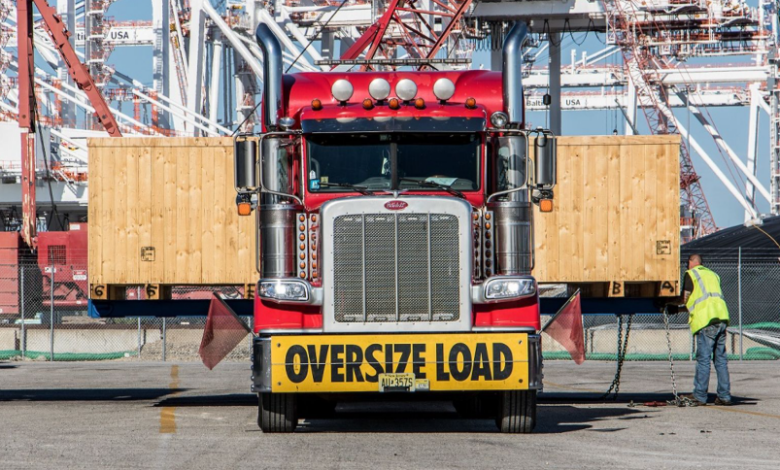
You are driving down I-15, cruising right along with the flow of traffic. The Wasatch Mountains are looming on the east, providing that stunning backdrop that everyone gets used to living here. It is a normal Tuesday. Then you check the rearview mirror. A massive grille is filling the entire frame. It is too close. You can see the rivets on the bumper. The driver behind the wheel of that 80,000-pound rig is pushing hard to make a deadline in Salt Lake City, and traffic is starting to slow down near the Point of the Mountain.
This isn’t just traffic. It is a physics equation waiting to resolve itself violently.
We share our roads with these behemoths every single day. From the steep, winding descent of Parley’s Canyon to the chaotic merging lanes of the Spaghetti Bowl downtown, Utah is a major crossroads for freight moving across the West. Most of the time, the goods get delivered and everyone gets home safe. But when things go wrong? They go wrong in a way that passenger car accidents simply don’t. The sheer mass involved changes everything.



The Complexity Behind the Crash
It is easy to think a wreck is a wreck. Metal crunches, glass breaks, police come, insurance handles it. If you have been in a fender bender in a sedan, that is roughly how it goes. But toss a commercial tractor-trailer into the mix and the script flips entirely. You aren’t just dealing with a driver who might have been texting. You are stepping into a ring with federal regulations, corporate legal teams, and insurance policies that have seven figures on the line.
The trucking industry is governed by a thick book of rules from the Federal Motor Carrier Safety Administration. These rules cover everything. How many hours a driver can be behind the wheel? How often do the brakes need to be inspected? How much cargo can be loaded and how must it be secured?
When a collision happens, the investigation has to peel back layers of corporate operations. Was the driver over their hours? The logbook might say no, but the GPS data might say yes. Was the truck properly maintained? The shop records might look clean, but the rusted brake slack adjusters tell a different story. This is the deep dive required to find the truth.
This is where you need to be careful. You can’t just rely on the police report. Police officers are great at clearing the scene and determining basic traffic violations, but they aren’t forensic engineers. They typically don’t download the black box data on the side of the road. If you find yourself in this situation, facing mounting medical bills and a trucking company that is already circling the wagons, you need specific help. You need a Utah truck accident lawyer who understands that these cases are won and lost in the details of federal compliance and electronic data.
The Silent Witness: Electronic Control Modules
Let’s talk about that black box. In the industry, we call it the Electronic Control Module, or ECM. It is the brain of the truck.
Unlike a human witness, the ECM doesn’t forget. It doesn’t have a bias. It records exactly what the engine and the truck were doing in the seconds leading up to a crash. It knows the speed. It knows if the cruise control was on. It knows the engine RPMs. Most importantly, it knows if the driver hit the brakes or if they never even touched the pedal.
Consider a crash on I-80 a few years back. The driver claimed a car cut him off, and he slammed on the brakes but couldn’t stop in time. The physical evidence on the road was inconclusive. But the ECM? It told a different story. It showed the truck was traveling 10 miles per hour over the speed limit, and the brakes were only applied 0.5 seconds before impact. The driver wasn’t cut off. He wasn’t paying attention.
Getting this data is a race against time.
Trucking companies are smart. They know that data is dangerous for them. Legally, they can often reset or destroy that data after a certain period if no one tells them to stop. We call this “spoliation” of evidence. If you wait six months to ask for the data, it might be gone. Overwritten by the next driver’s shift.
The Web of Liability
Here is another curveball. In a car wreck, you sue the other driver. Simple.
In a truck wreck, the driver might be the least of your worries.
Who owns the truck? Who owns the trailer? Who loaded the cargo? Who fixed the brakes last week?
Imagine a flatbed truck loses its load on the freeway. A coil of steel bounces off and hits your car. The driver didn’t load that coil. A third-party logistics company at a warehouse did. The driver just picked it up. If you only focus on the driver, you might miss the party that actually caused the negligence.
Or consider a brake failure. The driver did his pre-trip inspection, but he’s not a mechanic. He didn’t know the brake linings were cracked. The maintenance shop that signed off on the truck two weeks ago? They are the ones who dropped the ball.
Identifying all these parties is critical because injuries in truck accidents are often catastrophic. We are talking about traumatic brain injuries, spinal cord damage, or worse. The medical costs for a lifetime of care can be astronomical. A standard auto insurance policy won’t even scratch the surface. You need to find every available insurance policy—the carrier’s liability, the trailer’s coverage, the shipper’s general liability—to make sure there is enough coverage to pay for what has been taken from you.
The Utah Factor: Geography and Weather
Driving in Utah presents its own unique set of hazards for heavy trucks. Our geography is unforgiving.
Take Parley’s Canyon. That grade is steep. If a trucker isn’t skilled in managing their descent, their brakes can overheat and fail. We see it every winter. A truck comes down too fast, hits a patch of black ice near the mouth of the canyon, and jackknifes.
The weather here changes in a heartbeat. A sunny afternoon in Salt Lake can be a blizzard at the summit of the canyon. Federal regulations require drivers to use extreme caution in adverse weather. That essentially means they have to slow down or get off the road. But the pressure to deliver the load often pushes them to keep driving when they should be parked.
“I have to make the delivery window.” That is the mantra. But safety should always trump the schedule. When it doesn’t, people get hurt.
See also: Leveraging Business SIM and IR Packs for Seamless Global Connectivity
Digging Deeper: The Role of Information
When building a case, information is your best weapon. You have to look beyond the immediate accident scene. You have to look at the history of the company involved. Have they been cited for safety violations before? Do they have a habit of hiring drivers with suspended licenses?
Sometimes, this information isn’t hiding in a filing cabinet. It is out in the open, if you know where to look. Investigative journalists and independent news sources often cover stories about repeated negligence in the transportation sector. A pattern of accidents involving a specific fleet might be documented in local reports long before it becomes a central piece of evidence in a courtroom. Connecting these dots can establish that a company knew it had a problem and chose to ignore it.
That is the difference between a simple negligence case and a case involving gross negligence or punitive damages. If a company knew its trucks were dangerous and put them on the road anyway, the jury needs to know that.
Protecting Your Future
So, what do you do?
First, you focus on your health. The adrenaline might mask the pain initially, but the damage is there. Get to a doctor. Document everything.
Second, don’t sign anything from the insurance company yet. They will call you. They will be nice. They might even offer you a check to cover your “inconvenience.” Do not cash it. That check comes with strings attached, usually a release of liability that prevents you from ever asking for more money, even if you find out later you need surgery.
You have to be strategic. The legal process is a marathon, not a sprint. It involves sending preservation letters to stop the destruction of evidence. It involves hiring accident reconstructionists to map the scene with lasers and drones. It involves vocational experts to calculate how your injuries will impact your ability to earn a living for the rest of your life.
The Long Road Back
Recovering from a truck accident is about more than just healing broken bones. It is about putting your life back together. It’s about dealing with the trauma of the event itself.
People often can’t get back on the freeway for years after a crash. The sound of a Jake brake makes them flinch. That emotional toll is real, and it deserves to be recognized.
The legal system isn’t perfect. It can’t undo the accident. It can’t take away the pain. But it can provide the financial stability you need to move forward. It can make sure your medical bills are paid. It can replace your lost wages. It can hold the negligent parties accountable, so maybe, just maybe, they change their safety practices and prevent this from happening to someone else.
In Utah, generally, you have four years to file a lawsuit for an accident like this. That sounds like a long time. It isn’t. The evidence fades. Witnesses move away. Memories get fuzzy. The sooner you get the wheels turning, the better your chances of building a solid case.
Stay safe out there. Watch those blind spots. Give the big rigs plenty of room. And if the unthinkable happens, know that you don’t have to face the corporate giants alone. There is a path through the chaos.
Understanding the Medical Reality
Let’s circle back to the medical side for a second because this is where people often get blindsided. A truck accident isn’t like slipping on ice. The forces involved are massive. You are talking about 80,000 pounds transferring energy into a 4,000-pound vehicle.
The injuries are often internal. You might feel fine at the scene, maybe just a little shaken up. But adrenaline is a powerful drug. It can hide a torn rotator cuff, a herniated disc, or even a slow brain bleed.
That is why “wait and see” is the worst strategy you can have. You need to get checked out immediately. And you need to follow the doctor’s orders to the letter. If they say go to physical therapy, you go. If they say get an MRI, you get it.
Why is this so important for your case? Because the insurance company is watching. If you wait two weeks to go to the doctor, they will argue that your injuries didn’t happen in the crash. They will say you hurt your back lifting groceries or playing pickup basketball. They will look for any excuse to deny your claim.
Consistent medical treatment creates a paper trail. It links your injuries directly to the accident. It shows that you are taking your recovery seriously. It makes it much harder for the insurance adjuster to downplay your pain and suffering.
The Financial Strain
Then there is the money. Being in a wreck is expensive. Your car is totaled. You are missing work. The medical bills are starting to pile up on the kitchen counter.
It is stressful. It keeps you up at night.
Trucking companies know this. They know you are vulnerable. That is why they often try to settle quickly. They will offer you a lump sum that looks like a lot of money right now. $20,000. Maybe $50,000. When you are staring at a stack of bills, that money looks like a lifeline.
But what if you need surgery next year? What if you can’t go back to your old job because your back can’t handle the lifting? That $50,000 will be gone in a heartbeat, and you will be left with nothing.
A good settlement isn’t just about paying today’s bills. It is about securing your future. It is about making sure you are covered for the long haul. It requires economists and life care planners to crunch the numbers and figure out what your claim is really worth.
Navigating the Insurance Maze
Dealing with truck insurance is a nightmare. You aren’t just dealing with one policy. You might be dealing with a primary liability policy, an excess policy, an umbrella policy, and a cargo policy.
Each of these policies has its own adjuster, and each adjuster has one goal: to pay you as little as possible. They will point fingers at each other. The trucking company will blame the shipper. The shipper will blame the broker. The broker will blame the driver.
It is a shell game. And if you don’t know the rules, you will lose.
You need someone who can cut through the noise. Someone who knows how to read a declaration page and find the hidden layers of coverage. Someone who isn’t afraid to file a lawsuit and drag all these parties into court if that is what it takes to get fair compensation.
Final Thoughts
Driving in Utah is a privilege, but it comes with risks. The freight moving through our state keeps the economy running, but it also puts us all in the danger zone.
We can’t ban trucks from the road. We need them. But we can demand that they operate safely. We can hold them accountable when they cut corners.
If you are ever in a wreck with a big rig, take a deep breath. Call 911. Get to safety. And then, when the dust settles, get the help you need to protect your rights. You have a voice. Use it.