The Hot Melt Adhesive & Films industry has become an essential part of modern manufacturing, quietly supporting products that people use every day. From food packaging and hygiene products to automotive interiors and industrial textiles, hot melt solutions enable fast, clean, and reliable bonding. As global industries push for higher efficiency, better performance, and improved sustainability, hot melt adhesives and films are evolving to meet increasingly complex demands. Understanding these changes helps manufacturers, suppliers, and decision-makers stay competitive in a rapidly shifting market.
The Role of Hot Melt Adhesives and Films in Industry
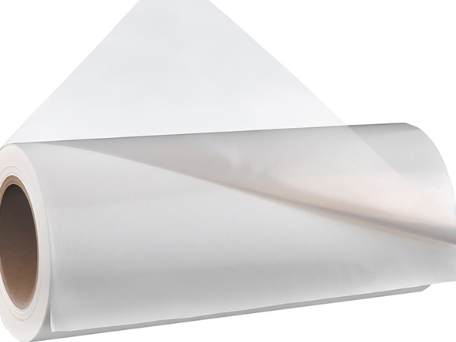
Hot melt adhesives are thermoplastic materials that are applied in a heated, molten state and solidify as they cool. Hot melt films work on the same principle but are delivered as solid layers that activate when heat and pressure are applied. Both formats are popular because they eliminate long drying times, contain no solvents, and integrate easily with automated production lines.
Industries value these materials for their Elastic hot melt adhesive versatility. They can bond paper, plastics, foams, fabrics, wood, and metals, often within seconds. This speed and adaptability make hot melt systems ideal for high-volume manufacturing environments where downtime directly impacts profitability.




Market Drivers Shaping Industry Growth
Demand for Faster Production Lines
One of the strongest drivers behind the expansion of the Hot Melt Adhesive & Films industry is the need for speed. Modern factories operate under constant pressure to increase output without sacrificing quality. Hot melt adhesives set almost instantly, allowing manufacturers to move products down the line without delays.
In packaging operations, for example, cartons and cases must be sealed quickly and consistently. Hot melt solutions deliver strong bonds even at high speeds, helping brands meet tight delivery schedules while maintaining product integrity during transport.
Growth in Hygiene and Personal Care Applications
The hygiene and personal care sector has become a major consumer of hot melt technologies. Products such as diapers, adult incontinence items, and feminine hygiene products require adhesives that are flexible, skin-friendly, and durable. An elastic hot melt adhesive is especially important in these applications because it allows bonded components to stretch and recover with body movement, improving comfort and fit.
As populations grow and awareness of hygiene increases globally, demand for these products continues to rise, further strengthening the role of hot melt adhesives in this segment.
See also: How Energy Broker Services Can Save Your Business Money
Performance Requirements in Real-World Applications
Balancing Strength and Flexibility
Different applications require different performance characteristics. Packaging may prioritize fast setting and high initial tack, while textiles and hygiene products need flexibility and softness. Advances in polymer science allow manufacturers to fine-tune formulations to achieve the right balance between strength and elasticity.
Hot melt films used in garment lamination or automotive interiors must also distribute evenly when activated. Consistent thickness and predictable flow ensure a smooth finish and long-lasting bond without damaging delicate materials.
Resistance to Environmental Stress
Many bonded products face challenging conditions such as heat, cold, moisture, or mechanical stress. Automotive components may experience temperature fluctuations, while frozen food packaging must maintain adhesion in cold storage. Modern hot melt formulations are designed to perform reliably across a wide range of environments, reducing product failures and warranty claims.
Sustainability as a Core Industry Focus
Cleaner and Safer Manufacturing
One of the key advantages of hot melt adhesives and films is their solvent-free nature. Unlike traditional solvent-based adhesives, they do not emit volatile organic compounds during application. This creates a safer working environment and helps manufacturers comply with environmental regulations without sacrificing performance.
Lower emissions also align with corporate sustainability goals, which are becoming increasingly important to consumers and investors alike.
Supporting Lightweight and Material-Efficient Designs
Hot melt films support lightweight product designs by replacing heavier mechanical fasteners or multi-layer bonding systems. In automotive and transportation industries, reducing weight contributes to improved fuel efficiency and lower emissions over the product lifecycle.
By enabling precise application and minimal waste, hot melt technologies also help manufacturers reduce material consumption, supporting both cost savings and environmental responsibility.
Recycling and End-of-Life Considerations
As recycling standards improve, adhesive compatibility with recycling streams has become a critical issue. Packaging producers, in particular, are seeking hot melt solutions that do not interfere with paper or plastic recycling processes. Industry innovation is increasingly focused on developing adhesives that separate cleanly or remain neutral during recycling, supporting circular economy initiatives.
Technological Innovations Driving Change
Custom Formulations for Specialized Needs
Customers today expect solutions tailored to their specific processes and products. The Hot Melt Adhesive & Films industry has responded by offering highly customizable formulations. Manufacturers can adjust viscosity, open time, setting speed, and elasticity to match unique production requirements.
This level of customization not only improves product performance but also reduces waste by ensuring adhesives behave predictably during application.
Advances in Application Equipment
Innovation is not limited to materials alone. Modern dispensing and lamination equipment offers precise temperature control and accurate placement, even at high speeds. Improved application technology ensures consistent bonding, reduces adhesive consumption, and minimizes maintenance downtime.
The combination of advanced materials and intelligent equipment allows manufacturers to achieve higher efficiency and better quality control.
Challenges and Opportunities Ahead
Despite its growth, the Hot Melt Adhesive & Films industry faces challenges such as fluctuating raw material costs, evolving regulations, and rising customer expectations. However, these challenges also create opportunities for innovation and differentiation.
Companies that invest in research and development, prioritize sustainability, and collaborate closely with end users are better positioned to adapt. As industries continue to demand faster, cleaner, and more reliable bonding solutions, hot melt adhesives and films will remain a critical enabler of modern manufacturing.
Conclusion
The Hot Melt Adhesive & Films industry plays a vital yet often overlooked role in everyday products and industrial systems. Its ability to deliver speed, performance, and sustainability makes it indispensable across sectors ranging from packaging and hygiene to automotive and textiles. With ongoing innovation in materials, equipment, and environmental performance, hot melt technologies are well equipped to meet future manufacturing challenges. As demand grows for efficient and responsible production, this industry will continue to shape how products are designed, assembled, and delivered worldwide.