Welcoming a new baby into your home brings immense joy, but it also comes with important responsibilities, especially when it comes to creating a safe sleeping environment. For parents whose babies have sensitive skin, choosing the right bedding becomes even more critical. Duvet covers play a surprisingly significant role in protecting your little one from potential allergens, irritants, and discomfort during sleep.
Many new parents don’t realize that standard bedding materials can harbor dust mites, retain moisture, and contain chemicals from manufacturing processes that may trigger skin reactions in babies. Since infants spend up to 16 hours sleeping each day, the quality and safety of their bedding directly impacts their health and comfort. Selecting hypoallergenic, breathable duvet covers made from safe materials isn’t just about luxury—it’s about creating a protective barrier that supports your baby’s delicate skin while ensuring restful sleep for the entire family. Understanding what makes a duvet cover truly safe can help you make informed decisions that benefit your baby’s wellbeing from day one.
Understanding the Importance of Duvet Covers
Duvet covers serve as your first line of defense in maintaining a clean and healthy sleep environment for your baby. While they may seem like simple decorative pieces, these protective layers perform critical functions that directly impact your infant’s health and comfort. They create a washable barrier between your baby and the duvet insert, which is often difficult or impossible to clean frequently. This barrier prevents the accumulation of sweat, drool, and other bodily fluids that babies naturally produce during sleep, keeping the actual duvet fresh and hygienic for much longer periods.




Beyond basic cleanliness, duvet covers act as shields against microscopic threats that pose particular risks to babies with sensitive skin. Dust mites thrive in bedding environments, feeding on dead skin cells and creating waste products that are among the most common indoor allergens. A quality duvet cover significantly reduces your baby’s exposure to these irritants by containing them within a washable layer that can be regularly cleaned at high temperatures. This becomes especially important when you consider that babies’ immune systems are still developing, making them more vulnerable to allergic reactions and skin irritations than older children or adults. By investing in appropriate duvet covers and maintaining them properly, you’re not just keeping things tidy—you’re actively creating a protective environment that supports your baby’s delicate skin and overall health during those crucial early months of development.
The Problem with Traditional Duvet Covers
Many conventional duvet covers available in standard bedding departments contain materials and treatments that can spell trouble for babies with sensitive skin. Synthetic fabrics like polyester blends, while affordable and wrinkle-resistant, often trap heat and moisture against your baby’s skin, creating an uncomfortable microclimate that can lead to rashes, irritation, and disrupted sleep. These materials also tend to generate static electricity, which can be uncomfortable and may attract more dust particles to the bedding surface. Additionally, traditional duvet covers frequently undergo chemical treatments during manufacturing—including formaldehyde-based wrinkle-resistant finishes, synthetic dyes, and flame retardants—that can release volatile organic compounds and cause allergic reactions in sensitive individuals.
The weave density of conventional covers presents another overlooked issue. Loosely woven fabrics allow dust mites and their allergenic waste to pass through easily, defeating one of the primary purposes of using a duvet cover. Furthermore, many standard covers feature decorative elements like buttons, rough zippers, or embellishments that can irritate delicate baby skin during sleep. The closure systems on traditional covers often leave gaps where dust mite allergens can escape, and their construction may not withstand the frequent hot-water washing that hygienic baby bedding requires. For parents of babies with sensitive skin, these conventional options simply don’t provide the protection and gentleness that their little ones need.
Choosing the Right Duvet Covers
Selecting safe duvet covers for your baby requires careful attention to material composition and construction quality. Natural fibers should be your first choice, with organic cotton leading the pack as the gold standard for sensitive baby skin. Organic cotton is grown without pesticides or synthetic fertilizers and processed without harsh chemicals, making it exceptionally gentle and breathable. Look for certifications like GOTS (Global Organic Textile Standard) or OEKO-TEX Standard 100, which verify that the fabric has been tested for harmful substances and meets strict safety standards. Egyptian or Pima cotton varieties offer longer fibers that create smoother, more durable fabrics with fewer rough spots that might irritate delicate skin.
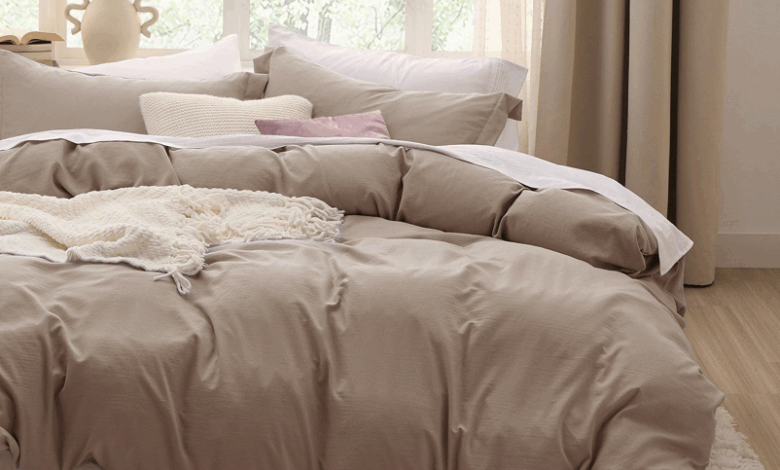
Beyond material selection, pay close attention to weave density and construction details. A thread count between 200 and 400 provides the ideal balance—tight enough to block dust mites effectively while remaining breathable and soft. Avoid extremely high thread counts, which often indicate chemical treatments or lower-quality fibers twisted together. Examine closure systems carefully, opting for hidden zipper designs or envelope closures that prevent gaps where allergens might escape. The cover should fit snugly over your duvet insert without excess fabric that could bunch up or create uncomfortable lumps. Check that all seams are smooth and flat, with no rough edges or exposed stitching that might scratch your baby’s skin. Choose light, neutral colors when possible, as these typically require fewer dyes and chemical treatments during manufacturing, reducing the risk of skin reactions while maintaining the protective qualities your baby needs.
See also: Support at Home – Embracing Comfort and Independence
Features to Look for in Duvet Covers
Breathability stands as the most critical feature for baby duvet covers, as proper air circulation prevents overheating and moisture buildup that can lead to discomfort and skin irritation. Natural fiber weaves allow heat and humidity to escape while maintaining warmth, creating a comfortable microclimate around your baby throughout the night. Look for covers specifically labeled as hypoallergenic, which indicates they’ve been manufactured to minimize allergic reactions through both material selection and processing methods. The closure system deserves special attention—choose covers with concealed zippers that include protective fabric flaps to prevent the metal teeth from touching your baby’s skin, or opt for secure envelope-style closures that overlap generously to contain allergens effectively.
Practical maintenance features make a significant difference in long-term usability. Select covers that can withstand frequent washing at temperatures of at least 140°F (60°C), which is necessary to kill dust mites and remove allergens effectively. Pre-shrunk fabrics prevent the frustrating problem of covers that no longer fit properly after the first wash. Consider covers with reinforced corner ties or loops that secure the duvet insert in place, preventing it from bunching up inside the cover and creating uncomfortable lumps. A removable design that’s genuinely easy to take on and off encourages regular washing, which is essential for maintaining a hygienic sleep environment for your sensitive-skinned baby.
Benefits of Using Duvet Covers
Investing in quality duvet covers delivers substantial advantages that extend far beyond basic bedding protection for families with sensitive-skinned babies. The most immediate benefit is enhanced cleanliness—duvet covers can be removed and washed weekly or even more frequently without the hassle of cleaning the entire duvet, which often requires professional services or special equipment. This regular washing cycle dramatically reduces allergen accumulation, keeping your baby’s sleep environment consistently fresh and hygienic. The protective barrier also extends the lifespan of your duvet insert significantly, as it shields the filling from body oils, moisture, and general wear that would otherwise degrade the materials over time.
Duvet covers offer remarkable versatility that grows with your family’s changing needs. As your baby develops and their skin becomes less reactive, you can easily switch between different cover options without replacing expensive duvet inserts. This adaptability allows you to adjust warmth levels seasonally by pairing the same duvet with lighter or heavier covers, or simply refresh the nursery’s appearance as your child’s tastes evolve. For parents managing multiple children, having several washable covers means you always have a clean option ready while others are in the laundry, eliminating the stress of bedding emergencies. The cost-effectiveness becomes apparent over time—while quality hypoallergenic covers require an initial investment, they prevent the need to replace entire duvets due to staining or allergen buildup, ultimately saving money while maintaining the safe, comfortable sleep environment your sensitive-skinned baby needs to thrive.
Longevity and Maintenance
Properly maintained duvet covers can serve your family reliably for years, making them a wise long-term investment in your baby’s health and comfort. The key to longevity lies in establishing a consistent washing routine—launder covers in hot water (at least 140°F) every one to two weeks to eliminate dust mites and allergens effectively. Use gentle, fragrance-free detergents specifically formulated for sensitive skin, avoiding fabric softeners that can leave residue and reduce breathability. Always tumble dry on medium heat or line dry in direct sunlight, which provides natural sanitizing benefits. Between washes, air out the covers by pulling back bedding each morning, allowing moisture to evaporate and preventing mildew growth.
Inspect your duvet covers regularly for signs of wear, paying special attention to seams, zippers, and high-friction areas. Address small issues immediately—repair loose stitching or replace damaged zippers before they compromise the cover’s protective function. Rotate between two or three covers to distribute wear evenly and ensure you always have a backup during washing. Store clean, unused covers in breathable cotton bags rather than plastic containers, which can trap moisture and encourage mold growth. With this straightforward maintenance approach, quality hypoallergenic duvet covers will maintain their protective properties and softness through hundreds of wash cycles, providing continuous protection for your baby’s sensitive skin while delivering excellent value for your investment.
Best Practices for Using Duvet Covers
Implementing proper usage practices ensures your baby’s duvet covers deliver maximum protection and comfort throughout their use. Establish a washing schedule that aligns with your baby’s needs—weekly washing is ideal for most families, but increase frequency if your baby experiences diaper leaks, spit-up incidents, or excessive sweating. Always wash new duvet covers before first use to remove any residual manufacturing chemicals or dust from storage and shipping. Use hot water cycles at 140°F or higher combined with hypoallergenic, fragrance-free detergent to eliminate dust mites and allergens effectively without introducing irritating chemicals. Avoid overloading your washing machine, as covers need adequate space to agitate properly and rinse thoroughly.
Between washes, maintain a dust-free sleep environment by vacuuming the mattress and surrounding areas weekly using a vacuum with a HEPA filter to capture fine particles. Pull back bedding each morning to allow air circulation and moisture evaporation, which prevents mold and mildew growth. Keep bedroom humidity levels between 30-50% using a dehumidifier if necessary, as dust mites thrive in humid conditions. Store clean backup covers in breathable fabric bags in a dry closet rather than plastic bins that trap moisture. Inspect covers before each use for signs of wear, loose threads, or zipper damage that could compromise their protective function. When your baby outgrows their crib bedding, transition the well-maintained covers to toddler beds or repurpose them for other household uses, maximizing your investment while maintaining the healthy sleep habits you’ve established.
Tips for New Parents
New parents navigating bedding choices for sensitive-skinned babies should start with simplicity and prioritize safety over aesthetics. Purchase at least two high-quality hypoallergenic duvet covers from the beginning, allowing one to be in use while the other is being washed, eliminating stress during laundry days. Create a dedicated bedding care station with fragrance-free detergent, a gentle stain remover suitable for baby items, and a checklist to track washing schedules. During those exhausting early months, setting phone reminders for bedding changes helps maintain consistency when sleep deprivation makes routines difficult to remember.
Trust your observations of your baby’s skin and sleep quality as the ultimate guide. If you notice redness, irritation, or increased fussiness after introducing new bedding, revert to previously safe options immediately and consult your pediatrician. Join parenting communities or forums where you can learn from others’ experiences with specific brands and materials, but remember that every baby’s skin reacts differently. Many parents have found success with brands like Bedsure Home, which offers a range of hypoallergenic bedding options that can be helpful starting points in your search for suitable covers. Keep detailed notes about which covers work best for your child, including brand names and specific product lines, as this information becomes invaluable when purchasing replacements or recommending options to other parents. Most importantly, don’t feel pressured to match nursery decor at the expense of your baby’s comfort—a plain, organic cotton cover that keeps your baby’s skin healthy far outweighs the prettiest designer option that causes irritation.
Protecting Your Baby’s Sensitive Skin
Creating a safe sleep environment for your baby with sensitive skin requires thoughtful decisions about every element of their bedding, and duvet covers play a fundamental role in that protection. By choosing hypoallergenic covers made from organic, breathable materials like certified organic cotton, you’re providing a washable barrier against dust mites, allergens, and irritants that could compromise your baby’s delicate skin and sleep quality. The investment in quality duvet covers pays dividends through easier maintenance, extended bedding lifespan, and most importantly, the peace of mind that comes from knowing your little one is sleeping in a clean, comfortable environment.
As you navigate the overwhelming world of baby products, remember that simplicity and safety should guide your bedding choices. Start with two high-quality hypoallergenic duvet covers, establish a consistent washing routine with gentle detergents, and monitor your baby’s skin for any signs of irritation. Trust your observations and don’t hesitate to adjust your approach based on your baby’s unique needs. The effort you put into selecting and maintaining appropriate duvet covers during these early months establishes healthy sleep habits and creates a foundation of comfort that benefits your entire family. Your baby’s sensitive skin deserves protection, and with the right duvet covers and care practices, you can provide exactly that while ensuring restful nights for everyone.