Every year, millions of dogs go missing, leaving pet owners devastated and frantically searching their neighborhoods. Whether it’s a curious puppy squeezing through a fence gap, an adventurous dog chasing after wildlife, or a frightened pet bolting during a thunderstorm, the reality is that even the most careful owners can face the nightmare of a lost dog. Traditional methods like ID tags and microchips have limitations—tags can fall off, and microchips only work when someone finds your dog and takes them to be scanned.
Modern technology offers a proactive solution to this age-old problem. GPS tracking collars allow you to monitor your dog’s location in real-time, giving you immediate alerts if they wander beyond safe boundaries. Instead of posting flyers and hoping for the best, you can pinpoint your pet’s exact location within minutes. This guide explores everything you need to know about GPS tracking for dogs, from understanding how the technology works to choosing the right device for your furry companion’s needs and lifestyle.
Understanding GPS Tracking for Dogs
GPS tracking for dogs uses satellite technology combined with cellular networks to pinpoint your pet’s location anywhere they roam. A small device attached to your dog’s collar communicates with GPS satellites orbiting Earth, calculating precise coordinates that are then transmitted to your smartphone through a cellular connection. The companion app displays this information on an interactive map, showing you exactly where your dog is at any given moment. Most systems update location data every few seconds to several minutes, depending on the device settings and battery conservation mode.



The importance of this technology extends far beyond simply finding a lost pet. GPS tracking provides peace of mind for owners of escape-artist dogs who constantly test fence boundaries or those living near busy roads where a wandering pet faces immediate danger. For hunting dogs or working breeds that cover large territories, tracking ensures they don’t stray too far during activities. Dogs with anxiety or cognitive decline may wander unexpectedly, and immediate location alerts can prevent tragic outcomes. The technology also proves invaluable during travel or outdoor adventures in unfamiliar areas where a spooked dog might run and become disoriented. Unlike passive identification methods, GPS tracking is an active safety measure that empowers owners to respond immediately rather than relying on strangers to find and return their pet. This proactive approach significantly increases the chances of a quick, safe reunion.
Benefits of Using a GPS Tracking Collar
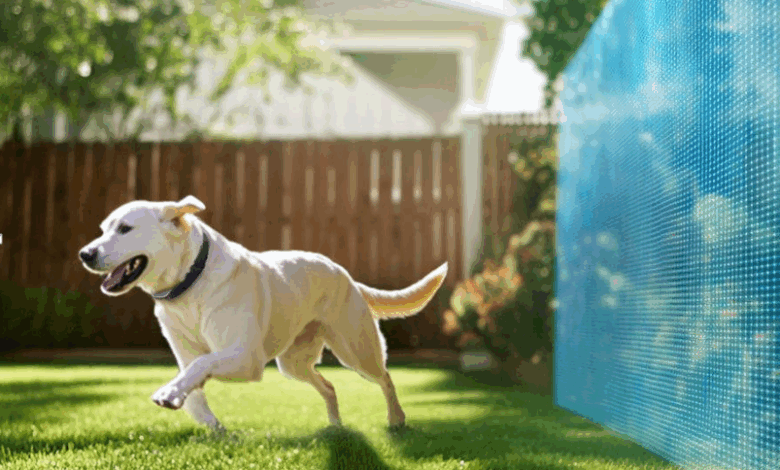
The most immediate benefit of a GPS tracking collar is real-time location monitoring that transforms how you protect your dog. When your pet slips out an open gate or breaks free during a walk, you’ll receive an instant alert on your phone and can track their movement as it happens. This eliminates the agonizing uncertainty of not knowing where to search, allowing you to follow their exact path rather than wandering aimlessly or waiting hours before taking action. Many devices offer geofencing capabilities that let you establish virtual boundaries around your home, yard, or park—if your dog crosses these invisible lines, you’re notified immediately, often before you even realize they’ve escaped.
Beyond emergency situations, GPS collars provide valuable insights into your dog’s daily activity and health patterns. Advanced trackers monitor how much your dog walks, runs, and rests throughout the day, helping you ensure they’re getting adequate exercise for their breed and age. Some devices track sleep quality and detect unusual behavior patterns that might indicate health issues before obvious symptoms appear. If your normally active dog suddenly becomes lethargic or your calm pet starts pacing excessively, these changes show up in the data, prompting you to consult your veterinarian early. This preventive approach can catch developing problems like arthritis, anxiety, or other conditions when they’re most treatable.
GPS collars also enhance your dog’s freedom and your peace of mind during outdoor activities. Instead of keeping your adventurous dog on a short leash during hikes or camping trips, you can allow them more exploration space while maintaining the ability to locate them instantly if they pursue a scent trail too far. For dogs that participate in hunting, herding, or field trials, tracking devices let them work at appropriate distances while you monitor their progress. The historical location data many devices store proves useful for understanding your dog’s favorite routes and hangout spots, which can be invaluable information if they ever go missing for an extended period. Some collars even include LED lights or sound features you can activate remotely to help guide your dog back to you in low-visibility conditions or dense terrain.
How to Choose the Right GPS Tracking Collar
Selecting the right GPS tracking collar starts with understanding your dog’s specific needs and lifestyle. Consider your dog’s size and build first—a bulky tracker that works fine on a Labrador will be uncomfortable and impractical for a Chihuahua. Most manufacturers specify weight ranges for their devices, ensuring the collar won’t burden smaller breeds. Evaluate your dog’s activity level and environment as well. A dog who spends most time in a fenced backyard has different tracking needs than one who regularly hikes mountain trails or swims in lakes. Water-resistant ratings matter significantly if your dog loves swimming or you live in a rainy climate, while rugged construction becomes essential for dogs who push through dense brush or rough terrain.
Battery life represents one of the most critical factors in your decision. Some trackers last only a day or two between charges, requiring frequent attention that many busy owners find impractical. Others can run for weeks, though these often sacrifice real-time tracking frequency for extended battery performance. Think honestly about your charging habits—if you struggle to remember charging your phone daily, you’ll likely find a short-battery tracker frustrating. Many devices offer adjustable update intervals that balance battery conservation with tracking precision, letting you switch to more frequent updates during walks or trips while conserving power during quiet home time. Consider whether the tracker uses replaceable batteries or requires full recharging, as this affects how you’ll manage power during extended outdoor adventures.
Accuracy and coverage determine how effectively you can locate your dog when it matters most. GPS accuracy typically ranges from 10 to 30 feet under ideal conditions, but this can degrade in dense forests, urban canyons between tall buildings, or areas with poor cellular coverage. Research which cellular networks different trackers use and verify that coverage is strong in areas where your dog spends time. Some advanced systems like SATELLAI combine GPS with other technologies like GLONASS or Galileo satellite systems for improved accuracy, while others add Bluetooth or radio frequency for backup tracking when cellular signals fail. Subscription costs vary widely—some companies charge monthly fees for cellular connectivity and app features, while others offer free basic tracking with premium features behind paywalls. Calculate the total cost of ownership over several years, not just the initial device purchase, to understand the true investment you’re making in your dog’s safety.
See also: Tech Innovations in Business 3200319740
Setting Up and Using a GPS Tracking Collar
Setting up your GPS tracking collar begins with fully charging the device before first use, which typically takes two to four hours depending on the model. While it charges, download the manufacturer’s companion app from your phone’s app store and create an account with your contact information. Once charged, power on the tracker and follow the in-app pairing instructions, which usually involve enabling Bluetooth on your smartphone and selecting your device from a list of available trackers. The app will prompt you to enter basic information about your dog, including name, breed, weight, and age, which helps calibrate activity tracking features. Most systems require you to set up at least one emergency contact who will receive alerts if your dog goes missing.
After initial pairing, configure your tracking preferences to match your needs. Set up geofencing boundaries by opening the map in your app and drawing virtual perimeters around your property or other safe zones where your dog regularly spends time. Adjust notification settings to determine how you want to be alerted—push notifications, text messages, or emails—when your dog crosses these boundaries. Configure location update frequency based on your priorities; more frequent updates drain battery faster but provide more detailed tracking, while longer intervals conserve power for extended use. Test the system by taking your dog for a short walk while monitoring the app to ensure location updates appear correctly and that the collar fits comfortably without rubbing or restricting movement.
Daily use requires minimal effort once everything is configured properly. Check battery levels regularly through the app and establish a charging routine that fits your schedule, such as overnight charging or during your dog’s longest rest periods. Periodically inspect the collar for wear, ensuring the attachment is secure and the device housing shows no cracks that could allow water intrusion. Clean the tracker and collar regularly according to manufacturer guidelines, as dirt and moisture buildup can affect performance. Update the app and device firmware when prompted to access new features and security improvements that enhance tracking reliability and accuracy over time.
Real-Life Examples and Testimonials
Sarah from Colorado credits her GPS collar with saving her rescue dog Max’s life after he bolted through an open door during a thunderstorm. Within minutes of receiving the geofence alert, she tracked him to a busy highway two miles away, arriving just as he was about to cross into traffic. She found him disoriented and terrified, something that would have been impossible without knowing his exact location in real-time. Another owner, James, uses his tracker for his hunting beagle who regularly pursues scents across vast wooded areas. The historical tracking data showed him patterns in his dog’s movements, revealing that she consistently returned to the same creek bed—information that proved invaluable when she didn’t return one evening and he knew exactly where to search. Maria, who has an elderly golden retriever with cognitive decline, relies on her GPS collar daily as her dog sometimes forgets where home is during walks. The tracker has allowed her to give her senior dog continued freedom and dignity while ensuring she can always guide him safely back. These real experiences demonstrate how GPS tracking transforms abstract worry into concrete solutions, giving owners the tools they need when seconds matter most.
Common Challenges and Solutions
Battery drain remains the most frequent complaint among GPS collar users, particularly when trackers unexpectedly die during critical moments. This often happens because owners forget that certain features consume significantly more power than others. Continuous real-time tracking with frequent location updates can drain a battery in hours rather than days. The solution involves adjusting update intervals based on your dog’s activity—use longer intervals during supervised home time and switch to frequent updates only during walks or when your dog is unsupervised outdoors. Enable battery-saver modes that reduce tracking frequency automatically when your dog remains within safe geofenced areas. Establish a consistent charging routine by plugging in the device at the same time daily, perhaps when you charge your own phone at night, making it an automatic habit rather than something you need to remember.
Signal loss in certain environments frustrates owners who discover their tracker doesn’t work everywhere. GPS signals weaken dramatically inside buildings, under dense tree canopy, in parking garages, or between tall urban structures. Cellular connectivity issues compound this problem in rural areas or regions with poor network coverage. Address these limitations by understanding where your tracker performs best and adjusting expectations accordingly. Before relying on your device in unfamiliar territory, test it in similar environments to understand its performance patterns. Consider trackers that use multiple satellite systems or include backup technologies like radio frequency tracking for areas where GPS alone proves unreliable. Keep your dog’s collar positioned on top of their neck rather than underneath where their body blocks signals, and ensure nothing covers the device itself.
Collar fit and comfort issues arise when devices are too heavy, positioned incorrectly, or cause chafing during extended wear. Dogs may scratch at uncomfortable trackers or refuse to wear them altogether. Solve this by choosing a tracker appropriately sized for your dog’s weight and ensuring the collar fits snugly without being tight—you should fit two fingers between the collar and your dog’s neck. Rotate the tracker’s position slightly if you notice rubbing or hair loss in one spot. For dogs with thick coats, trim fur around the collar area to prevent matting and improve GPS signal reception. Some dogs need gradual acclimation to wearing a tracker, so introduce it during positive experiences like meals or play sessions, gradually increasing wear time until your dog accepts it as normal equipment.
The Future of Dog Tracking Technology
The next generation of dog tracking technology is moving beyond simple location monitoring toward comprehensive health and behavior analysis. Artificial intelligence integration is becoming standard, with systems that learn your dog’s normal patterns and automatically detect anomalies that might indicate illness, injury, or distress. Advanced biometric sensors currently in development will monitor heart rate, body temperature, and respiratory patterns continuously, alerting owners to potential health emergencies before they become critical. Some prototypes already feature fall detection similar to smartwatches, notifying you if your dog takes a hard tumble that might require veterinary attention. Improved battery technology promises devices that last months rather than days, using solar charging and kinetic energy harvesting from your dog’s movement to maintain power indefinitely.
Integration with smart home ecosystems represents another emerging trend, where your tracking collar communicates with automated doors, feeding systems, and climate controls to create a fully connected pet care environment. Augmented reality features may soon overlay directional guidance onto your phone’s camera view, showing you exactly which direction to walk and how far to reach your lost dog. Miniaturization continues advancing rapidly, making trackers small and light enough for even toy breeds to wear comfortably. As satellite networks expand and 5G coverage becomes universal, tracking accuracy will improve to within inches rather than feet, while subscription costs decrease as competition intensifies and technology becomes more affordable for average pet owners.
Protecting Your Dog with GPS Technology
GPS tracking collars have revolutionized how we protect our canine companions, transforming pet safety from reactive hoping to proactive monitoring. This technology addresses the fundamental fear every dog owner faces—losing their beloved pet—by providing real-time location data, instant escape alerts, and the ability to respond within minutes rather than hours. Beyond emergency situations, these devices offer valuable insights into health insights through activity monitoring, helping you catch potential problems early and ensure your dog maintains appropriate exercise levels throughout their life.
Choosing the right GPS tracker requires careful consideration of your dog’s size, lifestyle, and the environments where they spend time, along with practical factors like battery life and subscription costs. While challenges like signal loss and battery management exist, simple adjustments to settings and usage habits make these devices reliable safety tools for daily use. As technology continues advancing with AI integration, improved biometrics, and extended battery life, GPS tracking will only become more essential and accessible. If you’ve ever experienced even a moment of panic when your dog slipped away, investing in a wireless dog fence provides invaluable peace of mind. Your dog’s safety deserves this proactive protection—don’t wait until they’re missing to wish you had taken action sooner.