How David Natroshvili’s SPRIBE Bridges Digital Entertainment and Live Events for Hybrid Audiences

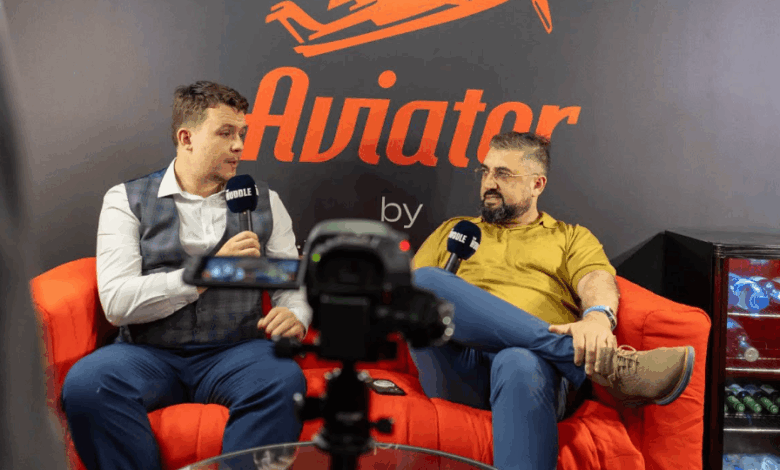
The entertainment landscape has transformed dramatically over the past decade, with audiences no longer drawing sharp distinctions between digital platforms and live events. Instead, contemporary consumers expect seamless transitions between these formerly separate domains, creating opportunities for companies capable of integrating experiences across channels. SPRIBE founder and CEO David Natroshvili has positioned his company at the forefront of this convergence, building a strategy that connects online gaming with real-world events through partnerships designed for today’s hybrid audiences.
Natroshvili’s approach reflects recognition that people move fluidly between screens and physical spaces throughout their entertainment journeys. Rather than viewing these as competing channels, the executive has built SPRIBE’s partnership strategy around the premise that digital and live experiences can strengthen one another when properly integrated.
Understanding the Hybrid Audience Mindset
“The key to building meaningful partnerships isn’t just about brand visibility,” Natroshvili explains. “It’s about creating connections where digital and physical experiences strengthen one another.”




This philosophy stems from understanding fundamental shifts in how audiences consume entertainment. A person might watch UFC events on television or streaming platforms, engage with fight-related content on social media between events, discuss matchups with friends in person, and seek additional entertainment experiences that match the intensity and excitement they associate with mixed martial arts.
SPRIBE’s flagship game, Aviator, provides entertainment that aligns naturally with this mindset. The multiplayer crash game features social elements, including live chat and visible leaderboards, enabling players to experience gameplay as a shared activity rather than isolated engagement. This communal dimension parallels how sports fans experience events together, creating structural similarities that facilitate integration.
Since founding SPRIBE in 2018, Natroshvili has emphasized player-first design that prioritizes engagement and social interaction. The company launched Aviator in 2019 with features specifically intended to create connections among users, establishing a foundation for partnerships with sports organizations where communal experience similarly defines much of the appeal.
Extending Entertainment Journeys Across Platforms
The partnerships SPRIBE has developed with organizations, including UFC and WWE under the TKO umbrella exemplify integration strategy in practice. Rather than treating these as conventional sponsorship arrangements focused solely on event-based visibility, the collaborations create touchpoints spanning multiple channels and contexts.
“When someone watches a UFC event and later engages with one of our platforms, we’ve extended their entertainment journey,” Natroshvili says, articulating vision for how partnerships function beyond isolated interactions.
This extended journey might begin when a viewer notices Aviator branding on the Octagon canvas during a fight. The brand presence creates awareness within the context the viewer already values—elite athletic competition characterized by intensity and strategic excellence. Hours or days later, that same person might encounter Aviator through social media content, reinforcing the initial exposure while providing a pathway to actual platform engagement.
The integration operates bidirectionally. Existing Aviator users who follow UFC gain deeper engagement with a sport that matches the competitive intensity they appreciate in gaming. The partnerships create value for both organizations’ audiences rather than simply exposing one group to the other’s brand.
WWE partnerships function similarly, with Aviator branding featured at select marquee events that reach global audiences through multiple distribution channels. The professional wrestling organization’s combination of athletic performance and entertainment spectacle creates alignment with Aviator’s blend of strategic gameplay and exciting social experiences.
Multi-Channel Activations Beyond Event Presence
SPRIBE’s work with UFC and WWE incorporates live events but extends across social campaigns and hospitality activations designed to create integrated experiences. This multi-dimensional approach reflects the understanding that contemporary audiences engage with brands through varied pathways rather than single touchpoints.
Social media activations maintain engagement between live events, creating consistent brand presence rather than episodic visibility tied exclusively to event schedules. UFC and WWE collectively command massive followings across platforms, including Instagram, TikTok, and YouTube, providing SPRIBE with access to highly engaged digital audiences who actively consume sports entertainment content.
These social touchpoints enable storytelling that connects live events with digital gaming experiences. Behind-the-scenes content from events featuring Aviator branding, fighter or wrestler commentary about gaming, and user-generated content from fans who engage with both properties create narratives spanning entertainment domains.
Premium hospitality components provide additional integration opportunities. Select audiences experience UFC and WWE events as SPRIBE guests, creating memorable moments in physical contexts that strengthen connections initiated or sustained through digital channels. These experiences deliver emotional resonance difficult to achieve through digital engagement alone.
Natural Flow Between Entertainment Contexts
Natroshvili’s partnership approach reflects recognition that today’s audiences no longer view digital and live experiences separately. “Instead, they expect them to flow naturally together,” according to an analysis of the CEO’s strategy.
This expectation represents a fundamental shift from previous eras when different entertainment forms operated in relative isolation. People watched television without simultaneously engaging with related digital content. They attended sporting events without expectation for integrated digital experiences before, during, or after attendance.
Contemporary audiences, particularly younger demographics who represent core targets for both SPRIBE and its sports partners, inhabit an entertainment landscape where such boundaries have dissolved. Someone might watch UFC fights while simultaneously engaging with social media commentary, placing friendly wagers through mobile apps, and discussing matchups through messaging platforms—all activities occurring in parallel rather than sequence.
SPRIBE’s partnerships acknowledge and accommodate these behavioral patterns. The goal isn’t forcing audiences to choose between watching events and engaging with gaming platforms, but rather creating ecosystems where different activities complement one another naturally.
The company’s technology infrastructure supports this vision through platforms capable of handling massive concurrent usage. Aviator processes 350,000 bets per minute at peak times across 4,500 active casino operator integrations worldwide, ensuring that users transitioning from live event viewing to platform engagement encounter smooth, responsive experiences rather than technical friction.
Strategic Effectiveness in Emerging Markets
The integration strategy has proven particularly effective in markets including India, Brazil, and parts of Asia-Pacific, where interest in both technology and traditional sports runs high. These regions represent priority growth areas where the gaming company’s partnership approach delivers measurable impact.
India emerged as SPRIBE’s number one growth market in 2024, with unprecedented player acquisition reflecting how well the integration strategy resonates with audiences who consume sports content and digital entertainment with equal enthusiasm. UFC has cultivated a dedicated Indian fanbase through fighter promotion and event broadcasting, creating awareness that benefits partners like SPRIBE through association.
The South Asian nation’s mobile-first infrastructure creates conditions where integrated entertainment approaches feel intuitive rather than novel. Users primarily accessing the internet through smartphones naturally experience less separation between different entertainment forms, making transitions from watching sports to engaging with gaming platforms seamless.
Brazil represents another market where the strategy demonstrates effectiveness. The country’s passionate mixed martial arts following provides a foundation for partnership impact, while strong engagement with digital entertainment platforms creates a receptive audience for gaming experiences connected to sports they already enjoy.
Asia-Pacific overall experienced a 629.67 percent year-over-year increase in monthly active users for Aviator in 2024, with the region accounting for 18.70 percent of new player inflow globally. This exceptional growth reflects both the region’s massive population and the effectiveness of integration strategies in markets where digital and physical entertainment boundaries blur naturally.
Building Connected Experiences That Resonate
The partnership with AC Milan demonstrates how integration principles apply across different sports contexts. Rather than pursuing opportunities with multiple football clubs, SPRIBE selected AC Milan for cultural fit and global recognition that aligns with Aviator’s premium positioning.
“Both AC Milan and our flagship game appeal to dynamic, engaged audiences who appreciate excellence and innovation,” Natroshvili said. “This isn’t just about marketing—it’s about creating genuine value for fans of both brands.”
The Italian football club’s presence at San Siro stadium, integration into digital channels, and opportunities for co-branded content create touchpoints reaching AC Milan’s global fanbase. Fans might encounter Aviator branding at matches, through the club’s social media, or via collaborative campaigns, each interaction reinforcing others to build familiarity across contexts.
This multi-touchpoint approach acknowledges that audiences rarely convert through single exposures. Building genuine connections requires consistent presence across channels people actually use, delivered in ways that feel relevant rather than intrusive.
The partnerships function best when all elements work cohesively. Event presence creates awareness, social content maintains engagement between events, hospitality experiences deliver emotional connection, and the gaming platform itself provides entertainment that fulfills expectations set through other touchpoints.
Leadership Philosophy Informing Integration Strategy
Natroshvili’s background spanning government service in Georgia and Fortune 500 business operations informs his understanding of how to create connected experiences at scale. His roles attracting foreign investment and representing Georgia internationally required presenting cohesive narratives across varied stakeholder touchpoints—skills directly applicable to building integrated entertainment ecosystems.
With an MBA from Kutztown University of Pennsylvania and 25 years of entrepreneurial experience, the executive brings a sophisticated perspective to partnership development. This background enables strategic thinking about how different elements combine to create greater value than the sum of individual components.
The company has expanded from its Tbilisi founding to maintaining offices in multiple countries, including Kyiv, Tallinn, Warsaw, and the Isle of Man, with over 270 team members supporting operations. This geographic distribution requires coordination, ensuring consistent brand experiences across markets while accommodating local preferences and regulatory requirements.
Technology Enabling Seamless Transitions
Executing an integration strategy requires a robust technology infrastructure. SPRIBE’s platforms handle massive concurrent usage, with Aviator achieving over 42 million monthly active users worldwide since its 2019 launch. This technical capacity ensures that users transitioning from watching sports events to engaging with gaming platforms encounter smooth experiences rather than barriers.
Backend engineering that Natroshvili emphasized from SPRIBE’s founding enables the company to deliver on promises of connected entertainment. When UFC events conclude and viewers seek additional entertainment, platform availability and responsiveness determine whether integration succeeds or fails at critical conversion moments.
The company maintains 24/7 operations necessary for serving global audiences across time zones. When a UFC event concludes in Las Vegas, users in the Asia-Pacific might just be beginning their day, requiring continuous platform availability that accommodates different regional patterns.
Measuring Integration Success
While SPRIBE notes strong engagement trends across regions where partnerships operate, the company evaluates success through multiple lenses beyond traditional awareness metrics. Understanding how users journey between watching events and engaging with gaming platforms requires sophisticated measurement approaches.
The company examines user acquisition sources to identify how many players first encountered the brand through sports partnerships before platform engagement. Sentiment analysis in markets with high UFC, WWE, or AC Milan viewership measures whether partnerships influence brand perception positively.
Retention metrics provide additional insights. Users acquired through sports-adjacent channels might demonstrate different engagement patterns than those from other sources, potentially showing higher long-term value if emotional connections created through sports partnerships translate to sustained platform usage.
Future of Integrated Entertainment
As audiences increasingly expect entertainment to flow seamlessly across contexts, the integration strategies Natroshvili has pioneered at SPRIBE may become industry standard. Companies unable to create connected experiences risk losing relevance with consumers who demand more sophisticated entertainment ecosystems.
The partnerships include flexibility for expanded collaboration as relationships mature. Initial activations focused on awareness building can evolve toward deeper integration as both organizations learn what resonates with shared audiences. Potential future developments might include fighter or wrestler endorsements, exclusive in-game features tied to upcoming events, or co-branded content series.
Nicholas Smith, Vice President of Global Partnerships for TKO, suggested room for continued innovation: “Much like UFC and WWE, Aviator is a pioneer in its own industry, reshaping the iGaming landscape with innovative, immersive, and engaging consumer experiences.”
With operations spanning 60 countries and licenses from regulatory authorities, including the Malta Gaming Authority and the United Kingdom Gambling Commission, SPRIBE has established infrastructure supporting continued innovation in integrated entertainment. David Natroshvili’s vision for creating connections where digital and physical experiences strengthen one another positions the company well for the entertainment landscape, where such integration becomes an expectation rather than a differentiator.