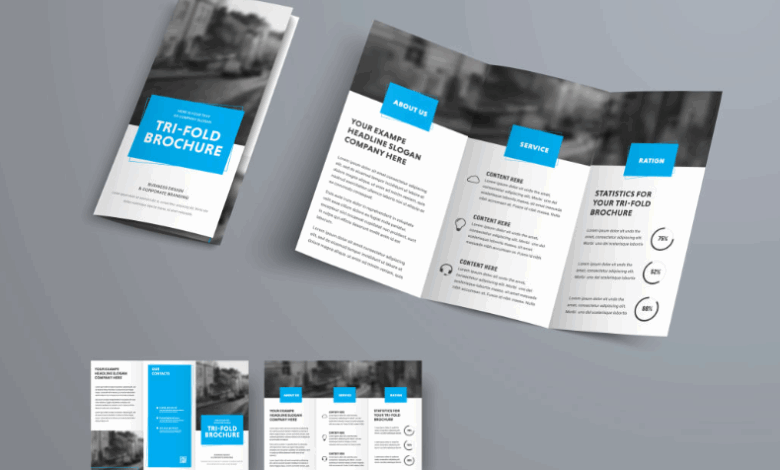
Understanding the Purpose of a Brochure
Brochures serve various purposes in the realm of marketing, from providing information about a product or service to promoting an event or organization. They are physical representations of your brand and act as tangible tools that potential customers can hold onto, making them an essential part of your marketing strategy.
The primary objectives of a brochure include:
Informing customers about offerings.




Establishing brand identity.
Generating leads through compelling messaging.
Encouraging action, such as signing up for a newsletter or making a purchase.
When structured correctly, brochures can effectively guide the reader through the intended message, leading to higher engagement and conversion rates.
Defining Your Target Audience
Before diving into the design and content creation process, it is crucial to define your target audience. Knowing who you are speaking to will inform every aspect of your brochure, from language and tone to visuals and distribution methods.
Consider the following questions:
Who are your ideal customers?
What are their interests, needs, and pain points?
How do they prefer to receive information?
By gathering data through surveys, market research, or customer feedback, you can create detailed buyer personas that will guide your brochure’s structure and content.
See also: Navigating Home Ownership: From First Home Buyer Loans to Property Investment Strategies
Key Elements of an Effective Brochure
An effective brochure typically includes several key components that together create a cohesive message:
1. Headline
Your headline should be attention-grabbing and informative. It should clearly convey what the brochure is about while enticing the reader to learn more.
2. Subheadline
A subheadline can provide additional context or detail, further piquing interest without overwhelming the reader at first glance.
3. Body Content
This is where you provide detailed information about your offerings. Use clear and concise language, breaking down complex ideas into digestible chunks.
4. Visuals
Images, infographics, and other visuals can make your brochure more engaging and help illustrate key points more effectively than text alone.
5. Contact Information
Always include contact details such as phone numbers, email addresses, or social media links so that interested readers can easily reach out for more information.
6. Call-to-Action (CTA)
A strong CTA prompts readers to take immediate action, whether it be visiting a website, signing up for a newsletter, or calling for more details.
Compiling these elements into a logical structure will enhance clarity and ensure that your readers receive all necessary information without feeling overwhelmed.
Designing for Impact: Layout and Visuals
The layout of your brochure plays a critical role in how information is absorbed by readers. Here are some key design principles to keep in mind:
1. Consistency
Maintain consistent branding throughout your brochure with uniform colors, fonts, and imagery that align with your overall marketing strategy.
2. Balance
Use whitespace strategically to avoid cluttered designs that can overwhelm readers. A balanced layout draws the eye naturally across the page.
3. Hierarchy
Establish a clear visual hierarchy by utilizing font sizes and styles effectively—larger fonts for headlines and smaller ones for body text—to guide readers through the material.
4. High-Quality Images
Invest in high-quality images that resonate with your audience. Poor visuals can detract from your message and undermine credibility.
Consider using tools like Canva or Adobe InDesign to create professional layouts if you do not have access to graphic design software or expertise.
Crafting Compelling Copy
While attractive designs grab attention, compelling copy holds it. Here are some tips for writing effective brochure content:
1. Focus on Benefits Over Features
Instead of merely listing features of your products or services, emphasize how they benefit the customer’s life. For example:
Feature: “Our software has advanced security features.”
Benefit: “Keep your sensitive data safe with our top-notch security protocols.”
2. Use Engaging Language
Employ active voice and persuasive language that resonates with your target audience’s emotions. Use storytelling techniques where appropriate to create relatable narratives around your offerings.
3. Be Concise
Brochures are limited in space; therefore, every word must count. Aim for brevity while still providing essential information—short paragraphs, bullet points, and lists can help achieve this.
Engaging Call-to-Actions
The effectiveness of a brochure often hinges on its call-to-action (CTA). A well-crafted CTA encourages readers to take specific actions after reading through the brochure’s content:
Examples of Effective CTAs:
“Visit us online for exclusive offers!”
“Call now to schedule your free consultation!”
“Sign up today to receive our monthly newsletter!”
Ensure that CTAs stand out visually—use bold fonts or contrasting colors—and place them strategically throughout the brochure for maximum visibility.
The Importance of Quality Printing
Once you have structured your brochure content and designed it appropriately, quality printing is paramount:
1. Paper Quality
Choose high-quality paper stock that reflects the professionalism of your brand. Thicker paper conveys durability and seriousness while also enhancing visual appeal.
2. Print Finish
Select finishes that complement your design—glossy finishes can enhance colors but may create glare; matte finishes offer a sophisticated look but may dull colors slightly.
3. Professional Printing Services
Utilize professional booklet & brochure printing services like HelloPrint to ensure high-quality output that captures all design details accurately while providing advice on best practices for printing brochures.
Distribution Strategies for Maximum Reach
Creating an engaging brochure is only half the battle; effective distribution is equally important:
1. Identify Key Locations
Determine where your target audience frequents—trade shows, local businesses, community centers—and distribute brochures accordingly.
2. Utilize Direct Mail
Consider sending brochures directly to targeted mailing lists based on demographics collected during audience research efforts.
3. Online Distribution
Convert brochures into digital formats (PDFs) for sharing via email campaigns or social media platforms while ensuring proper optimization for digital viewing.
Measuring Success: Analytics and Feedback
To gauge the effectiveness of your brochure campaign, implement strategies such as:
1. Tracking Responses
Incorporate unique URLs in CTAs or ask customers how they heard about you when implementing inquiries via phone calls or emails to track responses effectively.
2. Analyzing Engagement Metrics
Monitor conversion rates associated with brochure distribution efforts over time—this might include website visits linked from brochures or sales figures attributed directly back to them.
3. Collecting Customer Feedback
Encourage feedback through surveys sent alongside brochures or follow-up communications after an initial touchpoint; this input helps refine future efforts based on real-world insights gained directly from customers.
Case Studies: Successful Brochure Campaigns
Examining successful case studies offers valuable insights into effective strategies employed by various businesses:
Travel Agency Example: A travel agency created vibrant brochures showcasing exotic destinations with captivating images paired with enticing descriptions that led potential clients down sale funnels resulting in increased bookings.
Local Restaurant Campaign: A local restaurant distributed beautifully designed menus as tri-fold brochures highlighting seasonal specials alongside enticing imagery which significantly boosted dine-in traffic during promotional events.
By analyzing such campaigns closely—understanding their layout choices, content strategies, design elements—you can better formulate approaches tailored specifically toward achieving similar successes within your own industry context.
In summary, structuring a brochure that captures attention involves understanding its purpose thoroughly while strategically crafting elements like compelling copy paired with stunning visuals aligned precisely around targeted audiences’ needs—all culminating in effective communication strategies capable of driving engagement forward meaningfully!