If you’re still relying on spreadsheets or barcode scans to manage your inventory, you’re not alone—but you’re definitely behind. In 2025, too many businesses are wasting time, money, and energy on tracking down items that should be easy to locate. It’s not just frustrating—it’s costly.
The good news? There’s a more efficient way forward. Many companies are choosing to enhance operations with RFID solutions in Australia, reducing manual work and gaining real-time visibility over their assets and inventory without overcomplicating their systems.
The issue isn’t just technology. It’s often how the process is structured. Let’s unpack what’s really slowing you down—and how smarter tracking can free up your time and resources.


Hidden Costs of Manual Inventory Control
On the surface, pen-and-paper or spreadsheet systems seem cost-effective. But they come with hidden expenses:
- Time waste: Staff spend hours searching for misplaced stock or confirming inventory counts.
- Human error: Mistakes in data entry lead to over-ordering, stockouts, or lost goods.
- Poor visibility: You don’t know where your assets are in real-time, which creates decision delays.
All of this adds up. Businesses end up making knee-jerk purchases, running out of critical supplies, or simply not trusting their own inventory numbers.
What RFID Actually Does (That Other Tools Don’t)
RFID (Radio Frequency Identification) tags act like smart labels. Unlike barcodes, they don’t need line-of-sight to be scanned, and they update automatically in real-time as items move through your premises.
You can:
- Track items as they move between locations or departments.
- Automatically log stock-ins and outs.
- Prevent losses from misplacement or theft.
- Generate reports without manual counts.
The end result? Fewer “Where is it?” conversations, faster audits, and more confident decision-making.
See also: Tech Support Number: 3059004162
No More Hunting for Tools, Stock, or Equipment
RFID shines in industries where tools and assets constantly move—like construction, logistics, healthcare, and retail. If your team wastes time every day chasing a trolley, tablet, or toolkit, the hours stack up quickly.
With RFID, you know exactly where something is, where it’s been, and who last had it. You also get notified if something leaves a zone it shouldn’t—or if it hasn’t moved in a while and may need attention.
Easy Wins That Don’t Require a Full Overhaul
One common misconception is that adopting RFID means tearing out your current systems. That’s not true.
RFID can integrate into your existing software stack or work alongside it. You can start with one area—like warehouse stock or field equipment—and scale from there.
Even tagging high-value items only can dramatically improve visibility. It’s a step-by-step upgrade, not an all-or-nothing commitment.
Real Results: What Businesses Are Seeing
Companies that implement RFID often report:
- 30–50% reduction in time spent locating items
- Higher stock accuracy (up to 99%)
- Fewer lost assets and write-offs
- Better planning, because they can trust their data
That trust translates into faster decisions, smoother handovers between shifts or teams, and improved customer service.
It’s About Confidence, Not Just Control
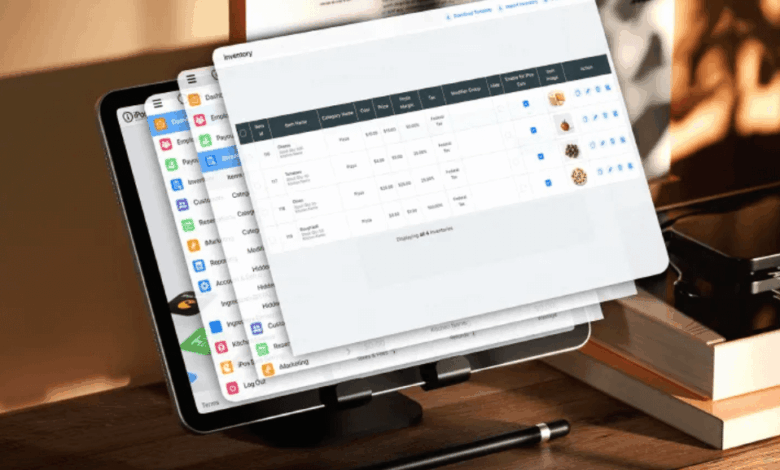
Inventory systems shouldn’t be a source of stress. You should be able to pull up a dashboard and know—with confidence—what’s on hand, what’s in transit, and what needs attention.
When your team isn’t second-guessing the data or chasing down missing items, they can focus on the work that actually grows the business. And that’s where technology like RFID becomes more than a tracking tool—it becomes a foundation for efficiency.
If 2025 still feels like 2015 in your inventory department, it’s probably time for a smarter solution. RFID isn’t about going high-tech for the sake of it. It’s about removing the everyday friction that slows your team down.
Better tracking means fewer headaches, less waste, and a lot more control. And at the end of the day, that’s the kind of upgrade every business can benefit from.