The beauty industry, long known for its emphasis on aesthetics and presentation, is now undergoing a significant transformation driven by consumer demand for sustainability. With climate change concerns at the forefront of public discourse, brands are reevaluating how their products are made, packaged, and disposed of. Sustainable packaging in beauty products has moved from a niche initiative to a business imperative, as companies strive to reduce environmental impact while maintaining luxury appeal.
The Environmental Footprint of Beauty Packaging
Packaging accounts for a significant portion of the environmental footprint in the beauty industry. Traditional packaging materials, such as virgin plastics and laminated cardboard, contribute to pollution and are often not recyclable. According to a US beauty industry market analysis, the sector produces over 120 billion units of packaging annually, a large percentage of which ends up in landfills or oceans.
This massive output has prompted both emerging and established beauty brands to explore alternatives that are more eco-friendly. From biodegradable materials to refillable containers, companies are experimenting with innovative packaging solutions that align with both environmental and consumer expectations.




See also: The Hidden Benefits of Early Life Planning
Drivers Behind the Move to Sustainability
Several factors are pushing the beauty industry toward sustainable packaging:
- Consumer Awareness: Today’s consumers are more environmentally conscious and are actively seeking brands that align with their values. They demand transparency in sourcing, manufacturing, and packaging processes.
- Regulatory Pressure: Governments around the world are introducing stricter regulations to curb single-use plastics and encourage recycling. These legal frameworks are forcing companies to innovate quickly.
- Competitive Advantage: Early adopters of sustainable practices are finding that they can differentiate themselves in a saturated market. A strong sustainability ethos is often seen as a marker of brand integrity and innovation.
- Cost Efficiency Over Time: While sustainable packaging may involve higher initial investment, many solutions—such as refillable packaging—offer long-term cost benefits through reusability and customer loyalty.
Materials and Methods Leading the Change
The shift toward sustainability is not just about replacing plastic with paper; it involves a complete rethinking of materials and design. Key materials gaining traction include:
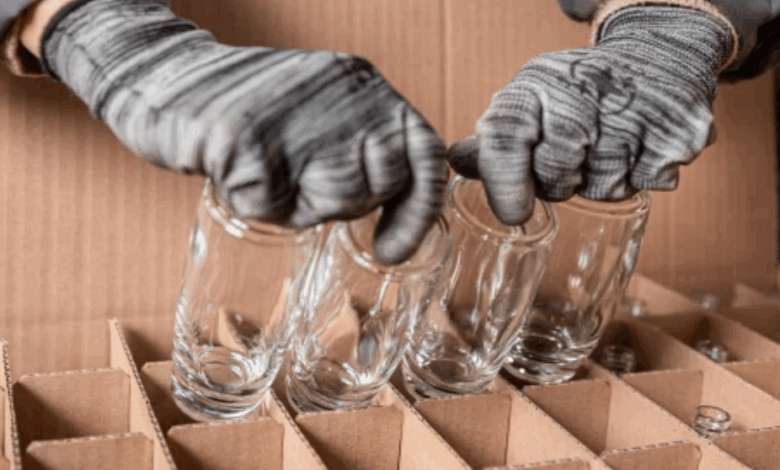
- Glass: Highly recyclable and inert, glass is favored for high-end serums and oils. It adds weight and luxury appeal without compromising recyclability.
- Bioplastics: Derived from renewable sources like corn starch or sugarcane, these plastics offer a compostable or recyclable alternative to petroleum-based materials.
- Aluminum and Tin: Lightweight and infinitely recyclable, these metals are seeing a resurgence, especially in compact containers and aerosols.
- Post-Consumer Recycled (PCR) Materials: Using recycled content helps reduce the demand for virgin materials and promotes circularity.
Several packaging suppliers are now tailoring their products to fit the needs of sustainable beauty brands. For example, a manufacturer of face lotion bottles may now offer options in PCR plastic or refillable designs, giving brands more sustainable choices without compromising on form or function.
Customization Meets Sustainability
As brands increasingly seek to stand out on shelves and online, customization of packaging remains a high priority. The challenge lies in balancing bespoke designs with eco-conscious materials. Fortunately, advancements in digital printing and modular packaging solutions have made it easier to achieve both.
Serum bottle customization, for instance, has evolved from being a purely aesthetic exercise to an opportunity for sustainability. Brands can now choose from customizable glass or PCR plastic bottles with biodegradable labels, low-impact inks, and refillable dropper tops. The focus is on minimizing waste without sacrificing brand identity.
Refillable and Reusable Packaging Models
One of the most promising trends in sustainable packaging is the use of refillable systems. This model allows consumers to purchase a container once and refill it with product either through mail-in cartridges or in-store stations. Popularized by indie brands and now adopted by larger players, refillable packaging is proving both sustainable and profitable.
Luxury skincare companies are particularly adept at implementing this model, combining elegant packaging with eco-conscious practices. The tactile and visual appeal of a well-crafted jar or bottle remains a strong driver for purchase—especially when paired with the promise of reduced environmental impact.
Challenges and Considerations
Despite the momentum, there are still significant challenges:
- Cost and Accessibility: Sustainable materials often come at a higher cost, which can be prohibitive for small brands.
- Supply Chain Complexity: Integrating new materials into existing manufacturing lines requires time, testing, and sometimes entirely new logistics.
- Consumer Education: Not all consumers understand how to dispose of or recycle sustainable packaging correctly, which can negate environmental benefits.
Overcoming these hurdles will require collaboration across the supply chain—from raw material suppliers to packaging manufacturers to end consumers.
The Road Ahead
As the industry continues to evolve, the future of sustainable packaging in beauty looks promising. Innovations such as waterless formulations, packaging-free products (like shampoo bars), and blockchain-enabled supply chain transparency are on the horizon.
Brands that proactively embrace sustainability will not only reduce their environmental impact but also build stronger relationships with a growing base of eco-minded consumers. This shift is no longer optional—it’s essential for long-term brand resilience.
Conclusion
In conclusion, the transition to sustainable packaging in the beauty industry reflects broader societal changes in values and consumer behavior. Whether it’s through choosing a more environmentally friendly manufacturer of face lotion bottles, investing in thoughtful serum bottle customization, or leveraging insights from the latest US beauty industry market analysis, brands that lead with sustainability are setting the standard for what modern beauty looks—and feels—like.