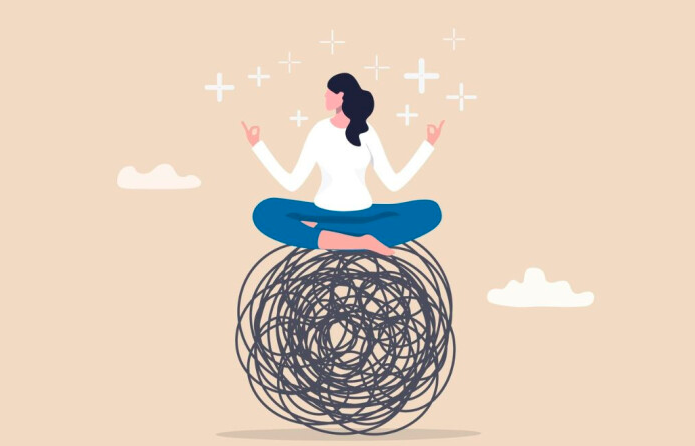
Key Takeaways:
- An understanding of anxiety and its common symptoms.
- Practical techniques for managing anxiety in daily life.
- The importance of professional help and therapy.
- Recommended lifestyle changes to support mental well-being.
Table of Contents:
- Understanding Anxiety
- Symptoms of Anxiety
- Practical Anxiety Management Techniques
- Importance of Professional Help
- Lifestyle Changes for Mental Well-being
Understanding Anxiety
Anxiety is a common mental health condition that impacts millions globally. It can arise from numerous sources, such as work-related stress, personal relationships, or traumatic experiences. Understanding anxiety is essential for managing it effectively. They can offer professional guidance to understand better and manage anxiety.
It’s important to note that anxiety, in its various forms, is a normal stress response. For example, feeling anxious before a big presentation or a significant life event is natural. Nevertheless, if anxiety becomes intense and ongoing, it may disrupt everyday activities and present as an anxiety disorder. Recognizing when anxiety turns from a normal response to a disorder is vital for seeking appropriate help and interventions.
Symptoms of Anxiety
Anxiety can manifest in various forms, both physically and mentally. Not all symptoms are alike and can vary from person to person. Some individuals might experience physical symptoms such as a rapid heartbeat, sweating, trembling, or gastrointestinal issues. For those struggling to cope, find help with online therapists near you might be beneficial. It’s crucial to recognize these symptoms early to help seek timely intervention and support.




Practical Anxiety Management Techniques
There are several techniques to manage anxiety effectively:
- Deep Breathing Exercises: Taking deep breaths can soothe your mind and alleviate anxiety. Methods like the 4-7-8 breathing technique include breathing in for four seconds, holding the breath for seven seconds, and exhaling gradually for eight seconds. This easy workout can be performed in any location and provides fast relief from feelings of anxiety.
- Meditation: Regular meditation can significantly lower anxiety levels. By being mindful of the present and watching your thoughts without criticism, you can cultivate a feeling of peace and understanding. Different applications such as Headspace and Calm provide guided meditation sessions, which helps newbies in starting their meditation practice.
- Physical Exercise: Engaging in frequent exercise can enhance your emotional state and alleviate feelings of anxiety. Physical activity increases the release of endorphins, which are natural mood enhancers. Participating in yoga, jogging, or going for a brisk walk can all offer great advantages. It’s not about intense workouts but regular physical movement that contributes to overall well-being.
- Journaling: Writing down your thoughts and feelings can help you process emotions and reduce anxiety. Journaling allows you to express your worries and fears, which can be cathartic. Over time, it can help identify patterns and triggers that cause stress, making it easier to address them.
- Progressive Muscle Relaxation Involves tightening and then gradually releasing every muscle group in the body. It’s an effective way to reduce physical tension and stress. Focusing on the release of physical tension can also alleviate mental stress and anxiety.
Read also: Free Herbal Medicine Recipes: Natural Remedies for Health and Wellness
Importance of Professional Help
While self-help techniques are beneficial, professional help is often necessary for managing severe or persistent anxiety. Therapeutic sessions offer a secure environment to examine anxiety catalysts and create coping techniques. Many people find combining professional therapy with self-help techniques beneficial for a more comprehensive approach. Common symptoms of anxiety include persistent worry, restlessness, fatigue, and difficulty concentrating.
The American Psychological Association states that cognitive-behavioral therapy (CBT) is very successful in the treatment of anxiety disorders. This therapy type aids people in recognizing and questioning unhealthy thought patterns and behaviors, exchanging them with more beneficial ways of thinking. Therapists can also provide tailored strategies that specifically address an individual’s unique anxiety triggers.
If you’re experiencing excessive anxiety, it’s crucial to reach out for help. Professional therapists can provide the necessary tools and strategies to manage stress effectively. Additionally, they are able to provide assistance and empathy, which can help make the process of dealing with mental health issues feel less overwhelming and easier to navigate.
Lifestyle Changes for Mental Well-being
Making positive lifestyle changes can support your mental health and reduce anxiety. A holistic approach to well-being includes diet, sleep, social connections, and substance moderation. Here are some specific changes that can be beneficial:
- Healthy Diet: Consuming a well-rounded diet full of fruits, vegetables, lean proteins, and whole grains can have a beneficial effect on mental well-being. Foods rich in nutrients supply the essential vitamins and minerals that promote brain health. Decreasing intake of processed foods and sugars can also contribute to regulating mood.
- Adequate Sleep: Make sure you aim for 7-9 hours of sleep every night. An unchanging sleep routine can assist in balancing your emotions and enhancing cognitive performance. It is crucial to have good sleep hygiene habits like sticking to a consistent bedtime and establishing a calming sleep environment.
- Social Connections: Maintaining supportive relationships can provide emotional comfort and reduce feelings of anxiety. Connecting with loved ones, getting involved in support networks, or engaging in community events can promote feelings of acceptance and emotional safety.
- Limit Caffeine and Alcohol: Decreasing the consumption of caffeine and alcohol can worsen anxiety symptoms. Both can disrupt sleep patterns and increase physiological arousal, making anxiety symptoms more pronounced.
Recent studies have shown that integrating mindfulness into your daily routine can also be beneficial. Mindfulness practices encourage individuals to stay present and engaged at the moment, which can reduce stress and improve overall mental well-being. Practices like mindful breathing, body scans, and mindful eating can easily become part of everyday routines.
By combining these techniques and lifestyle changes, you can create a comprehensive strategy to manage anxiety and improve your overall quality of life. Remember, you must remain patient with yourself as you implement these changes. Progress may be gradual, but consistency is critical. Getting assistance from a professional can offer extra help and make sure you’re headed in the correct direction.