In this article, we will delve into the world of underfloor heating, exploring its costs and benefits to help you decide whether it’s the right choice for your home. We’ll use an underfloor heating cost calculator to provide you with accurate figures and break down the process into easy-to-understand steps.
Understanding Underfloor Heating
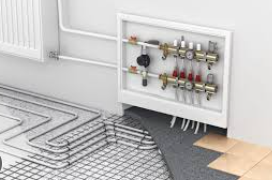
What is Underfloor Heating? Underfloor heating is a system that heats your home through the floor rather than traditional radiators or heaters. There are two main types: electric and water-based systems. Both have their own advantages and are chosen based on the specific needs of the household.
Types of Underfloor Heating Systems
- Electric Underfloor Heating
- Uses electric cables or mats installed beneath the floor surface.
- Ideal for smaller areas or retrofitting existing homes.
- Water-Based Underfloor Heating
- Utilizes a network of pipes carrying hot water from a boiler.
- More suited for larger spaces and new constructions.
Why Consider Underfloor Heating?
Energy Efficiency One of the primary reasons homeowners consider underfloor heating is its energy efficiency. These systems heat a larger surface area at lower temperatures, leading to reduced energy consumption.



Comfort and Aesthetics Underfloor heating provides a consistent and even heat distribution, eliminating cold spots in your home. Additionally, it frees up wall space, offering more flexibility in interior design.
Health Benefits Underfloor heating can improve indoor air quality by reducing the circulation of dust and allergens, making it a healthier option for people with allergies or respiratory issues.
Calculating the Costs
Using an Underfloor Heating Cost Calculator To understand if underfloor heating is worth the investment, it’s crucial to calculate the costs accurately. Here’s a step-by-step guide on using an underfloor heating cost calculator:
- Measure Your Space
- Determine the total area (in square meters) where you plan to install underfloor heating.
- Choose the Type of System
- Decide between electric or water-based underfloor heating based on your preferences and home structure.
- Input the Details
- Enter the area size and type of system into the calculator.
- Add any specific requirements, like insulation or additional controls.
- Review the Cost Estimate
- The calculator will provide an estimate of the total installation cost, including materials and labor.
Cost Breakdown
Initial Installation Costs
- Electric Systems: Typically range from $50 to $100 per square meter.
- Water-Based Systems: Can range from $80 to $150 per square meter.
Operational Costs
- Electric systems generally have higher running costs compared to water-based systems, which are more cost-effective over time, especially in larger areas.
Maintenance Costs
- Electric systems require minimal maintenance, whereas water-based systems may require occasional checks and servicing of the boiler and pipes.
Benefits Analysis
Energy Savings While the initial installation cost of underfloor heating can be higher than traditional heating systems, the energy savings over time can offset this expense. Underfloor heating systems operate at lower temperatures and distribute heat more efficiently, leading to reduced energy bills.
Increased Property Value Homes with underfloor heating systems are often seen as more luxurious and modern, potentially increasing your property’s market value.
Enhanced Comfort The consistent and gentle warmth provided by underfloor heating can significantly enhance your living experience, making your home more comfortable year-round.
See also: Oil-Free Air Compressors: Pros and Cons
Considerations Before Installation
Flooring Type Certain flooring materials, like tile and stone, are better suited for underfloor heating systems due to their thermal conductivity. Carpets and hardwoods, while possible, may require additional considerations.
Insulation Proper insulation is crucial for maximizing the efficiency of underfloor heating. Ensure your home is well-insulated to prevent heat loss and improve system performance.
Professional Installation While DIY installation is possible for electric systems, hiring professionals is recommended for both system types to ensure optimal performance and safety.
Steps to Install Underfloor Heating
- Plan and Design
- Consult with a professional to design the layout and choose the right system for your needs.
- Prepare the Subfloor
- Ensure the subfloor is clean, level, and well-insulated.
- Install the Heating System
- Lay the heating cables or mats (electric) or pipes (water-based) according to the design plan.
- Connect the System
- For electric systems, connect the thermostat and electrical supply.
- For water-based systems, connect the pipes to the boiler and control manifold.
- Test the System
- Before covering the system with flooring, test it to ensure it’s working correctly.
- Install Flooring
- Once the system is tested, cover it with your chosen flooring material.
Conclusion
Underfloor heating can be a valuable addition to any home, offering numerous benefits in terms of energy efficiency, comfort, and property value. By using an underfloor heating cost calculator, you can accurately estimate the costs and make an informed decision. While the initial investment may be higher, the long-term savings and enhanced living experience often make it worthwhile.