Recent years have seen a sharp increase in green building trends across the Australian landscape. This is largely due to an increase in environmental awareness and strategic plans to lower operating costs and make manufacturing and building processes more sustainable.
One of the key ways that Australians are making a huge difference is by investing in water conservation products such as Nero tapware and other low-flow, energy-efficient products. This post takes a closer look at a few of the green building trends that are gaining popularity in Australia.
Always Room for Improvement
Despite an increase in global awareness, greenhouse gas emissions are still rising. With this in mind, many industries are adopting new and improved practices to do their bit for sustainability. The overall goal is to see a reduction in gas emissions, and this has led to a few new trends emerging. More good news is that many of these trends can also be adopted by homeowners for their own DIY practices. Here are a few interesting ones to consider.

1. Focus on Water Conservation
Water conservation has become crucial in many parts of the world. Australian homes are no different. One of the key ways the average homeowner can make a difference is by investing in green plumbing. This involves switching out older tapware to more energy-efficient brands such as Nero.
You can also adopt practices such as investing in rainwater harvesting systems. The materials for these can also be purchased from your local home improvement centre. It’s also a good idea to invest in greywater systems for recycling water from showers, sinks, and laundry for non-portable uses.
2. Switch to Renewable Energy
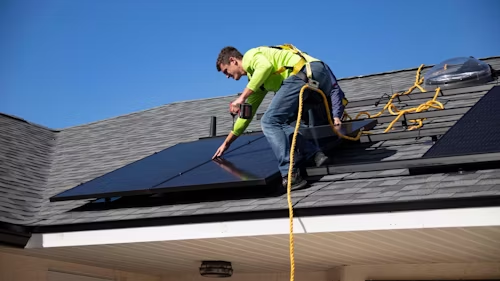
Another significant way to make your home or business more sustainable is to adopt any one of the renewable energy options. The more common of these is installing solar panels for your home or workspace.
With the high number of sunlight hours in Australia, going solar is actually more effective than many people realise. Other renewable energy options to consider include geothermal systems, such as wind turbines. Simple, small-scale, hydroelectric systems are being launched in rural farms and businesses.
3. Make Use of Sustainable Materials
If you’re planning a new build, renovation, upgrade, or DIY project, it’s always a good idea to opt for sustainable building materials. This usually involves sourcing materials that have been responsibly sourced and created.
Where possible, opt for recycled or reclaimed items. A typical example of this is using your old decking to make planter beds rather than simply throwing it out. Using renewable materials such as bamboo rather than traditional hardwood is also a good idea.
Since products are labelled as sustainable, finding these materials at your local hardware centre is easier than you think. Some of the more common benefits to look forward to by using sustainable building materials include the following:
- Less materials are being wasted as sustainable products can be recycled and repurposed
- Long-term cost savings because materials can be reused
- Increased property value since there’s a market for sustainable homes and building projects
- Improved air quality in spaces because less harmful materials are being used
- Less exposure to toxic substances such as those found in paints and wood stains
- Natural products have enhanced insulation properties, which lead to enhanced energy efficiency and also reduce the need for heating and cooling systems that use fossil fuels.
4. Adopt a Green Roof
It used to be that having a garden was a luxury only afforded to people living in homes with adequate space. Fortunately, the green roof trend has encouraged people in apartments and smaller spaces to find ways to create biodiverse garden spaces.
Green roofs can be adopted on balconies, apartment roof tops, and even on homes with flat roof tops. Some of the key benefits of adopting a green roof include the following:
- Improved air quality
- Enhanced biodiversity
- Improved stormwater management
- Increased energy efficiency
5. Incorporate Smart Technology into Your Home
Some people are under the impression that in order to save the planet, you need to ditch as many modern practices as possible. However, installing smart technology in your home proves that this isn’t true.
Recent advancements have proven that smart technology can optimise building operations, which includes finding more energy-efficient ways to do things. Other effective practices include the following:
- Using AI for predictive maintenance and improved energy management
- Opting for smart HVAC systems that adjust based on occupancy by using sensors (these reduce the overall energy output of your cooling and heating systems)
- Smart technology is used to make green buildings more energy efficient
Final Thoughts
Homeowners need to know that it’s not only up to the large corporations to make the changes we need to see in the world. The reality is that every Australian can make a difference, even if it’s only by adopting green practices in their homes and workspaces. Speak to a consultant at your local home improvement centre for a list of sustainable or green products for your next upgrade or renovation project!