Digital privacy rights matter in everyday life. The guide explains how data is collected, stored, and used, with emphasis on autonomy and accountability. It presents core rights, such as access, correction, deletion, and data portability, alongside consent, cookies, and data requests. Practical steps are offered to minimize sharing and strengthen protection. The discussion ends with a practical challenge: how to apply these principles to personal routines, and what changes might be required to regain control.
What Digital Privacy Rights Are, Plainly
Digital privacy rights are the protections that govern how personal information is collected, stored, used, shared, and safeguarded in digital environments. They define autonomy over data and ensure accountability. This framework emphasizes privacy safeguards and data minimization, limiting unnecessary handling and retention. It empowers individuals to understand, challenge, and influence how information affects freedom and daily digital life.
How Your Data Gets Collected Online
How data gets collected online depends on a combination of technologies and practices that operate behind user awareness. Data collection basics include cookies, device identifiers, and server logs, while online tracking mechanisms span analytics pixels and cross-site scripts. This process emphasizes transparency, consent, and user control, enabling informed choices about sharing, profiling, and how personal information travels across digital ecosystems.




Your Core Privacy Rights You Can Exercise
Individuals hold a set of core privacy rights that empower them to control information about themselves. These rights include access, correction, deletion, and data portability, enabling user agency across platforms. Aware of privacy misconceptions, individuals recognize limits and protections.
They confront consent fatigue by seeking meaningful, informed choices and streamlined controls, ensuring ongoing surveillance awareness without surrendering autonomy.
Simple Steps to Protect Your Data Today
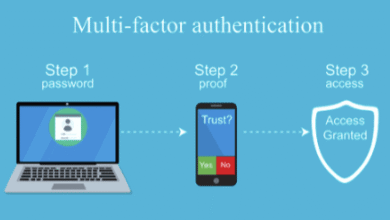
Simple steps can immediately reduce exposure and strengthen control over personal data. The guide emphasizes practical actions, not promises. Users should practice basic privacy hygiene: minimize shared information, enable strong authentication, and update software promptly.
Question common privacy myths, recognize data minimization as a default posture, and limit third-party tracking where possible. These measures foster autonomy while preserving essential digital freedom.
How to Handle Consent, Cookies, and Data Requests
As users pursue greater control over their data, understanding how consent, cookies, and data requests operate becomes central.
The piece explains consent management practices, emphasizes user opt-ins, and clarifies withdrawal rights.
It highlights cookie transparency, encouraging examination of data collection, purpose limitation, and retention.
Readers gain actionable steps to demand clarity, log preferences, and exercise control with informed, freedom-oriented data empowerment.
Frequently Asked Questions
Do I Have a Right to Delete My Data Worldwide?
The right to delete data worldwide varies; no universal guarantee exists. Data localization and cross border data transfer laws shape outcomes. Affected individuals should understand regional rules, consent regimes, and applicable exemptions to seek erasure abroad or restrict processing.
How Long Can Companies Keep My Personal Information?
Approximately five to seven years is common, but data retention varies widely; some records persist longer. The figure highlights privacy timelines and data retention practices, encouraging scrutiny of policies. Users should push for minimal retention and robust deletion rights.
What Is Data Minimization in Practice for Me?
Data minimization means limiting collected and stored data to what is strictly necessary, and practical implementation involves auditing processes, configuring systems to collect minimum data, anonymizing where possible, and enforcing retention and deletion policies for user empowerment and autonomy.
Can I Access Data Brokers’ Files About Me?
Yes, one can access data brokers’ files about them. Data broker transparency policies and subject access rights enable inquiries; individuals can request corrections, and pursue personal data portability to transfer or reduce their stored records. Potential costs or verifications may apply.
How Do I Revoke Consent After It’s Given?
Revoking consent is straightforward: one edits preferences or submits a formal request to organizations, citing revoking consent and data deletion rights. The process varies, but persistence ensures data minimization, deletion, and ongoing transparency, aligning with an audience seeking freedom.
Conclusion
Digital privacy rights matter because they protect autonomy, accountability, and freedom. Understanding data collection, purpose limitations, and retention enables informed choices. Exercising access, correction, deletion, and data portability strengthens control. Minimizing data sharing, employing strong authentication, and keeping software updated reduces risk. Navigating consent, cookies, and data requests clarifies obligations and choices. Recognizing transparency fosters trust, responsibility, and accountability. Embracing practical steps, readers safeguard personal information, defend rights, and promote safer, more private digital daily life.