When a rideshare vehicle crashes, the driver’s app status can determine which insurance policy applies. An offline driver, an available driver waiting for a request, and a driver carrying or approaching a passenger fall into different coverage phases. Those distinctions affect the evidence insurers review and the damages a claimant can pursue. App records help connect the collision to the proper policy and guide the next steps in the claim.
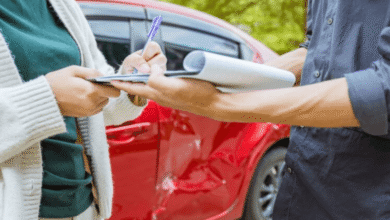
After a collision, an injured person should preserve screenshots, trip receipts, driver information, witness contacts, and medical records. A lawyer who handles rideshare cases, such as a Miami Uber accident lawyer, can review the driver’s status, identify the applicable policy, and address fault disputes. Early documentation also prevents insurers from relying on incomplete app records or conflicting accounts.
Why App Status Matters
Rideshare companies divide driving activity into separate periods. Each period affects whether the driver’s personal policy, the company’s policy, or both policies apply.



An insurer first asks whether the driver was using the vehicle for personal travel or working through the app. The answer often depends on electronic records created before, during, and after the collision.
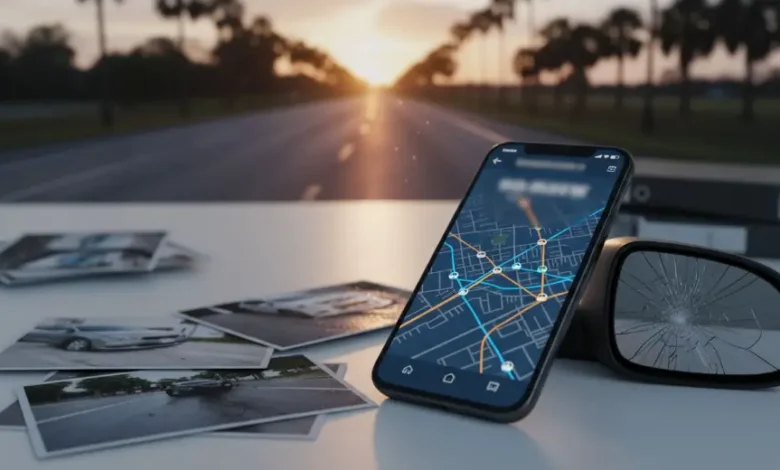
Coverage questions get harder when a driver gives conflicting statements. App logs, trip data, GPS records, and phone records can show whether the driver was logged in, waiting for a request, traveling to a pickup, or carrying a passenger.
The Main Status Phases
Offline
An offline driver is not accepting rides through the app. A collision during personal driving usually involves the driver’s private auto policy, subject to that policy’s terms and exclusions.
A driver who denies using the app can still leave behind records that clarify the status. Investigators can compare the statement with app records, location data, and communications connected to the trip.
Available And Waiting
An available driver has logged into the app but has not accepted a ride. Insurance protection during this period often differs from coverage during an active trip.
The driver might have personal coverage with a rideshare-related gap. Company coverage can apply under certain policy conditions, but limits and state requirements differ. A claimant must confirm the applicable policy instead of assuming that the company automatically pays.
En Route Or Carrying A Passenger
A driver traveling to an accepted pickup or transporting a passenger enters a different insurance phase. Company coverage commonly becomes more substantial after a ride request is accepted.
The precise status at the time of the collision matters. A crash seconds before acceptance, during pickup, or after passenger drop-off can produce different coverage arguments. Trip timestamps help establish the sequence of events.
Evidence That Connects Status To The Crash
The app status alone does not prove liability. A claimant must still establish how the collision happened, who caused it, and which injuries resulted.
Relevant records include the police report, vehicle photographs, traffic-camera footage, witness statements, medical records, and repair estimates. A claimant should also preserve the rideshare receipt, pickup location, drop-off details, and in-app messages.
The vehicle can contain event data that records speed, braking, seat-belt use, and collision timing. Access depends on the vehicle, the investigation, and applicable legal procedures. An attorney can request records before they disappear or become difficult to obtain.
See also: What Legally Counts as a Car Crash Under State Law
Insurance Questions To Expect
Insurance companies examine whether the driver followed app rules, maintained required coverage, and used the vehicle for an approved purpose. They also investigate whether another driver caused the collision.
A claim can involve several policies. The rideshare company’s liability policy, the driver’s personal policy, and the injured person’s uninsured or underinsured motorist coverage might each require review.
Policy limits do not establish liability on their own. A claimant must still prove negligence, medical harm, lost income, and other compensable losses. Insurers often request records connecting treatment and expenses to the collision.
Steps After A Rideshare Collision
Call emergency services, obtain medical care, and avoid assigning blame at the scene. Collect the driver’s name, vehicle information, insurance details, and rideshare trip information.
Take photographs of the vehicles, roadway, traffic controls, lighting, and visible injuries. Record witness contact information before leaving, because identification becomes more difficult later.
Notify the appropriate insurers without giving a recorded statement before reviewing the facts. Preserve every message, receipt, photograph, bill, and medical appointment connected to the collision.
Conclusion
A rideshare driver’s app status provides a timeline that helps determine which insurance policy responds. Offline, available, en route, and passenger-occupied periods raise different coverage questions, while fault and injury proof remain separate requirements. Anyone involved in a rideshare collision should preserve trip records, seek prompt medical care, and avoid guessing about coverage. The practical next step is to gather the app evidence before contacting insurers, then review the complete record with a qualified accident attorney.