When an AC starts running, most homeowners simply expect a steady flow of cool air from the vents. But what happens inside the system to produce that cooling effect? Which components remove heat from the indoor air? Ask any expert, and they will point out these three main components of the AC.
1. The Evaporator Coil (The Heat Absorber)
The evaporator coil is located in the indoor portion of the system, often above the furnace or inside an air handler. It absorbs heat from the indoor air before the conditioned air is circulated through the vents.
Warm indoor air is moved across the icy-cold metal surface of the evaporator coil. The coil contains refrigerant, a heat-transfer substance that changes state as it moves through the system. As warm air passes over the coil, the refrigerant absorbs heat from it. A blower fan then circulates the cooled air through the ductwork and back into the rooms in the home.



This cooling process also removes moisture from the air through condensation. When warm, humid air contacts the cold coil, water vapor condenses on its surface. That’s why it is common to find a small pipe or condensate drain line near your indoor unit. This line safely carries the collected water away from the system.
2. The Compressor (The Heart of the System)
The compressor is located inside the outdoor unit. It is often called the heart of the system, as it keeps the refrigerant moving through the cooling cycle. The compressor pressurizes the refrigerant vapor and circulates refrigerant through the system.
After absorbing heat indoors, the refrigerant travels to the compressor as a low-pressure vapor. The compressor squeezes the vapor, raising both its pressure and temperature.
The refrigerant must be hotter than the outdoor air so that it can release the heat absorbed from inside the home. If the compressor fails, the system may continue moving air, but it will not provide effective cooling. Compressor problems can be among the most expensive AC issues to diagnose and correct. This is why you need an air conditioning company to check it regularly.
See also: Amazon Alexa Echo Uswiggerstechcrunch: Exploring Smart Technology
3. Condenser Coil (The Heat Release Component)
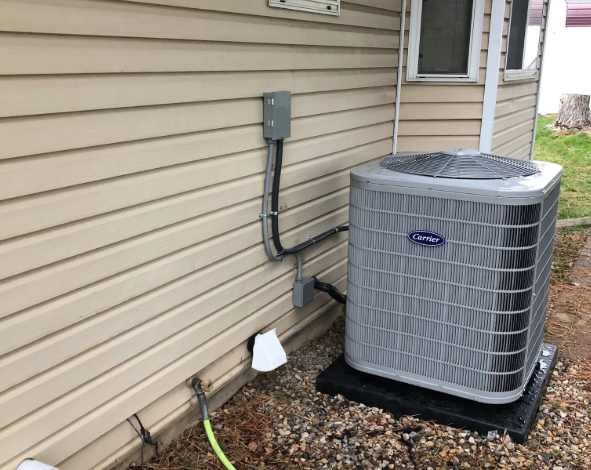
The condenser coil is housed in the outdoor unit alongside the compressor and fan. While the evaporator coil absorbs indoor heat, the condenser coil releases that heat outdoors. Its role is to transfer the heat carried by the refrigerant to the outside air.
After compression, the hot, high-pressure refrigerant vapor flows into the condenser coil.
A large outdoor fan moves air across the coil, allowing the heat to transfer from the refrigerant to the surrounding air. This process releases the absorbed heat outdoors. As the refrigerant loses heat, it condenses back into a high-pressure liquid.
This liquid refrigerant then passes through an expansion device, which lowers its pressure before it returns to the evaporator coil. This heat transfer explains why warm air can be felt leaving the outdoor unit while the AC is operating.
Conclusion
The evaporator coil, compressor, and condenser coil work together as a part of a continuous refrigeration cycle. The evaporator absorbs indoor heat, the compressor raises the refrigerant’s pressure and temperature, and the condenser coil releases the heat outdoors. All three components must function properly for the air conditioner to cool your home efficiently.
Schedule routine servicing with a qualified air conditioning company to identify developing problems and reduce the risks of costly AC repairs. Regular maintenance can extend the system’s service life, support efficient operation, and provide more reliable, long-lasting comfort.