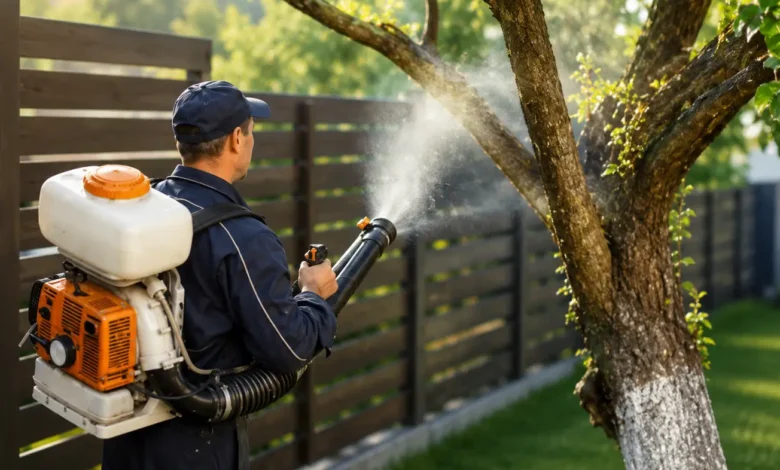
Pest problems are something most homeowners hope they never have to deal with. But when they appear, they can escalate quickly.
From termites hidden inside timber framing to rodents in roof cavities, ants in kitchens, or cockroaches in damp areas, pest activity can affect homes of every age and size.
Some infestations are obvious.




Others stay hidden for months before the damage becomes visible.
That’s why choosing the right exterminator matters. Whether you’ve spotted signs of activity or simply want reassurance that your property is protected, working with an experienced professional can make all the difference.
Here’s what homeowners should know before booking pest control services.
Pest Problems Often Start Earlier Than You Think
One of the biggest challenges with pest issues is that they’re rarely discovered the moment they begin.
By the time you notice visible signs, scratching in the ceiling, droppings, damaged timber, or insect trails, the problem may already be well established.
Common household pest issues can include:
- termites
- rats and mice
- ants
- cockroaches
- spiders
- silverfish
- wasps
- possums nesting in roof spaces
Different properties attract different pest risks depending on age, moisture levels, drainage, nearby trees, and how well the building has been maintained.
Even newer homes aren’t immune.
Not Every Exterminator Offers the Same Service
Many people start with a quick online search and compare pricing.
But pest control isn’t always as simple as booking the cheapest quote available.
A reliable exterminator should do more than just treat the visible issue.
They should also help determine:
- where pests are entering the property
- what conditions are attracting them
- whether there’s hidden damage
- what can be done to prevent the issue returning
The best providers focus on long-term prevention, not just temporary removal.
What to Ask Before Hiring an Exterminator
Before choosing a provider, it helps to ask a few practical questions.
Are they licensed and insured?
A professional exterminator should hold the relevant licensing and insurance required for residential pest control work.
Do they inspect before treating?
Inspection is critical. Without it, treatment can become guesswork.
A proper assessment helps identify pest type, nesting areas, entry points, and the extent of the infestation.
What treatment methods do they use?
Different pests require different solutions. Depending on the issue, this may involve bait stations, targeted spraying, dust application, trapping, or preventative perimeter treatments.
Do they offer follow-up support?
Some infestations need more than one visit, especially termites or rodents. Ongoing monitoring can be just as important as the initial treatment.
Will they explain the findings clearly?
Good pest professionals should be able to explain what they’ve found in plain English, including what’s urgent and what can be monitored over time.
Why Inspections Matter Before Buying Property
For many buyers, pest issues are discovered before settlement rather than after moving in.
A home can present beautifully during an inspection but still hide termite damage, moisture problems, timber decay, or evidence of previous infestations beneath the surface.
That’s why a Melbourne Building and Pest Inspection remains such an important part of the buying process.
A detailed inspection can uncover:
- termite activity or damage
- moisture intrusion
- structural movement
- poor drainage
- ventilation issues
- timber deterioration
- conditions likely to attract pests in future
For buyers, this information can provide clarity before contracts become unconditional and help avoid expensive surprises after settlement.
See also: How Qvidian Responsive Comparison Enhances Business Decision-Making?
Prevention Is Often Cheaper Than Repair
Pest problems rarely become cheaper with time.
A small issue left untreated can become far more expensive to fix later.
This is particularly true when pests begin affecting structural materials, insulation, wiring, or flooring.
Termites are a common example. Significant damage can occur before any visible evidence appears inside the home.
The same goes for rodents in ceilings or wall cavities, where damage may go unnoticed until repairs are needed.
Regular inspections and early intervention are often far more affordable than major repair work later on.
Older Homes Can Carry Greater Pest Risk
Character homes often come with enormous appeal, but also more maintenance considerations.
Older properties may contain:
- ageing timber structures
- subfloor ventilation issues
- roof cavity access points
- older drainage systems
- garden beds against the home perimeter
- cracks or gaps around foundations
These conditions can create easier access for pests or increase the likelihood of hidden activity.
That doesn’t mean older homes should be avoided.
It simply means they benefit from more careful inspection and proactive maintenance.
This is particularly relevant in Melbourne, where many established homes combine period charm with ageing construction materials.
Choosing the Right Exterminator Comes Down to Trust
A good exterminator doesn’t just remove pests.
They provide confidence.
They help homeowners understand what’s happening, how serious it is, what caused it, and what should happen next.
That clarity matters, especially when dealing with an issue that isn’t always visible but can affect the safety, value, and long-term condition of a home.
Whether you’re managing ongoing home maintenance or preparing to purchase a property, acting early is almost always the smarter move.
For buyers and homeowners alike, understanding the condition of the property is the best place to start. And in many cases, that begins with the right professional advice, whether that’s a pest control specialist or a Melbourne Building and Pest Inspection before making a major property decision.