Picture this: it’s Monday morning, and you’re scrambling to remember whether your daughter has soccer practice or a dentist appointment after school. Your partner forgot about the parent-teacher conference, and your son neglected to mention his science project is due tomorrow. Sound familiar? For most families, managing the overlapping demands of school schedules, work commitments, extracurricular activities, and social events feels like an impossible juggling act. The mental load falls heavily on parents—particularly the one designated as the household’s “schedule keeper”—leading to chronic stress, missed events, and constant friction.
A centralized smart calendar offers a modern escape from this chaos. By bringing every family member’s commitments into one shared, accessible digital hub, it transforms scheduling from a source of anxiety into a streamlined system everyone can rely on. In this article, we’ll explore why traditional scheduling methods fail busy families, what makes a smart calendar different, the key features to look for, how to set one up step by step, and the tangible benefits you’ll experience once your household makes the switch.
The Chaos of Modern Family Scheduling: Why Parents Need a Better System
Most households operate with a patchwork of scheduling tools—a paper calendar stuck to the fridge, a notes app on one parent’s phone, reminders scribbled on sticky notes, and verbal agreements that evaporate by dinnertime. The result is predictable: double-booked evenings, forgotten pickup duties, and last-minute scrambles for carpool arrangements. Research consistently shows that the “invisible labor” of tracking a family’s schedule disproportionately burdens one parent, contributing to burnout and resentment. Beyond the emotional toll, the practical cost is staggering—hours spent each week cross-referencing dates, texting confirmations, and putting out scheduling fires. When information lives in multiple places, gaps are inevitable. A single missed practice or overlooked permission slip might seem minor, but these small failures compound into a persistent sense of being overwhelmed. Families don’t need more calendars; they need one reliable system that everyone contributes to and trusts. Centralization isn’t just convenient—it’s the foundation for reclaiming time and sanity.




What is a Smart Calendar? Your Solution for a Shared Family Schedule
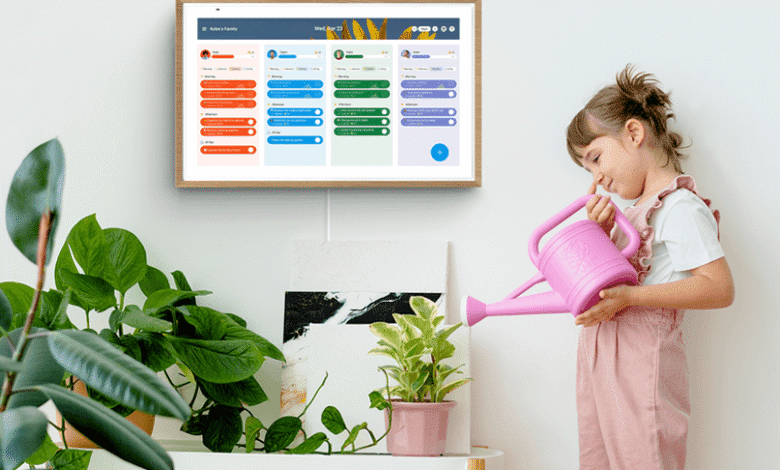
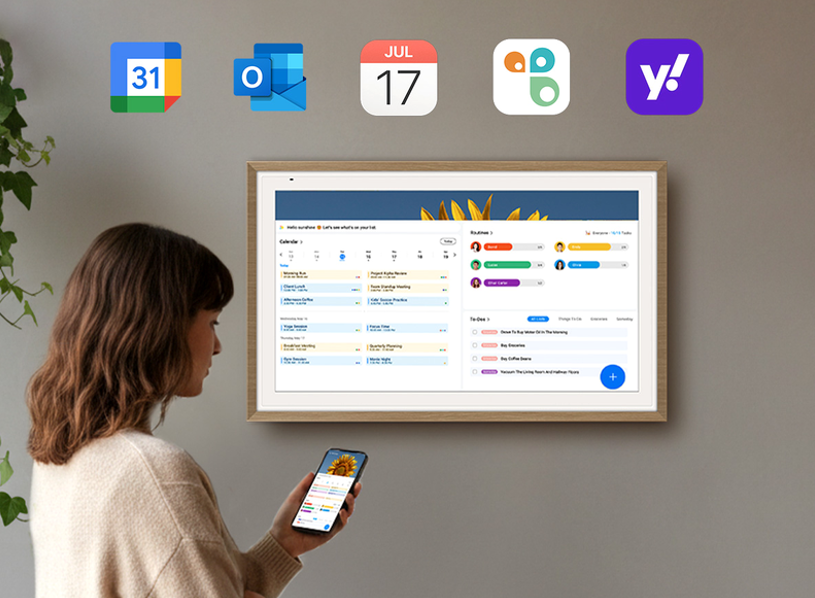
A smart calendar goes far beyond the basic date-and-time grid you might picture. It’s a digital scheduling platform designed to live across multiple devices—phones, tablets, laptops, and even smart displays—keeping every family member connected to the same up-to-date information in real time. When Dad adds a work dinner on his phone during his commute, Mom sees it instantly on her tablet, and the teens can check the family plan from their own devices before making weekend commitments.
What distinguishes a smart calendar from a standard digital calendar is its layer of intelligence and integration. These tools offer automation features like recurring event templates, conflict detection that flags double-bookings before they happen, and the ability to pull in external feeds from schools, sports leagues, and community organizations. Rather than manually typing every event, the calendar populates itself with relevant information from connected sources. Shared access means no single person bears the burden of being the sole information gatekeeper. Everyone contributes, everyone sees the full picture, and the system sends timely reminders so nothing slips through the cracks. Think of it as your household’s operating system—a living document that adapts as your family’s needs shift week to week, replacing fragmented communication with one trustworthy source of truth.
Key Features of a Family Smart Calendar to Organize Your Household
The right smart calendar transforms scheduling from a chore into an effortless habit. Understanding which features matter most helps you choose a tool that genuinely addresses your family’s daily friction points rather than adding another layer of complexity.
Shared Access and Permissions for a Collaborative Schedule
A truly effective family calendar lets every member participate without creating chaos. Parents can maintain full editing rights—adding appointments, moving events, and managing the master schedule—while children receive view-only access or limited editing permissions appropriate to their age. Grandparents or caregivers can be granted visibility into relevant events without seeing private details. This role-based structure ensures everyone stays informed while preventing accidental deletions or unauthorized changes. The key shift here is psychological: when the whole family can see the schedule, no single person carries the invisible weight of being the only one who “knows what’s happening.”
Sync School Feeds and Activity Calendars Automatically
Manual data entry is where most scheduling systems break down—parents simply forget or don’t have time to transcribe every school newsletter into a calendar. Smart calendars solve this by subscribing to external calendar feeds. Many schools, sports leagues, and community organizations publish iCal feeds or integrate with popular platforms. Once connected, picture days, early dismissals, game schedules, and registration deadlines flow directly into your family’s calendar without you lifting a finger. This automation eliminates the gap between receiving information and acting on it.
Customization Tools: Color-Coding and Alerts for Clarity
When a calendar holds dozens of weekly events, visual organization becomes essential. Assigning each family member a distinct color lets you glance at any week and immediately understand who has commitments and when. Layering in smart alerts—a reminder the night before to pack a gym bag, a notification thirty minutes before pickup—ensures that awareness translates into action. Customizable repeat settings for recurring events like weekly lessons or biweekly custody exchanges save setup time and reduce errors across months of planning.
See also: Balancing Finances and Intuition for Smarter Life Decisions
How to Set Up Your Centralized Smart Calendar: A Step-by-Step Guide
Getting your family’s smart calendar running doesn’t require technical expertise—just a focused hour and a willingness to gather information that’s currently scattered across your household. Start by choosing a platform that fits your family’s ecosystem. If everyone already uses Android devices and Gmail, Google Calendar offers seamless integration with minimal setup. Families with mixed devices or younger children might prefer a purpose-built family app like Cozi, FamilyWall, or ApoloSign, which offer simpler interfaces and family-specific features. The best choice is the one your least tech-savvy family member will actually use consistently.
Once you’ve selected your platform, create a shared family calendar group and invite every member. Set up individual sub-calendars for each person—one for Mom, one for Dad, one for each child—so events can be filtered or viewed together. Next, sit down with your existing schedules and input all recurring commitments first: weekly practices, work hours, regular appointments, and school drop-off and pickup times. Recurring events form the skeleton of your family’s week, and entering them once with proper repeat settings saves months of manual work.
Now connect external feeds. Check your school’s website or parent portal for a subscribable calendar link—most publish these as iCal URLs you can paste directly into your smart calendar’s subscription settings. Do the same for sports leagues, music schools, or religious organizations. These feeds update automatically, so when the school reschedules a half-day, your calendar reflects the change without any action on your part.
Finally, configure your notification preferences thoughtfully. Set a next-day preview alert that fires each evening, giving the whole family a heads-up on tomorrow’s agenda. Add event-specific reminders for anything requiring preparation—packing a uniform, bringing a signed form, or leaving early for an appointment. Resist the urge to over-notify; too many alerts train people to ignore them. Start conservative, then adjust based on what your family actually misses during the first few weeks. Within a month, checking the shared calendar will feel as natural as checking the weather.
Involving Children in Planning: Fostering Responsibility with Your Shared Schedule
A centralized smart calendar works best when it’s not just a parental tool but a family habit. Getting children involved—at the right level—lightens the organizational burden on parents while teaching kids time management skills they’ll carry into adulthood. Start by giving school-age children the task of entering their own homework deadlines, project due dates, and social plans into the calendar. Younger kids can participate during a weekly family planning meeting, held for just ten minutes each Sunday evening, where everyone reviews the upcoming week together and flags anything that needs preparation. This ritual builds awareness so children stop relying on parents to remember everything for them. Teens, meanwhile, can take ownership of their entire sub-calendar, adding shifts, study groups, and outings independently—with the understanding that if it’s not on the shared calendar, it doesn’t get a ride. Many family calendar apps feature simplified interfaces that make entry intuitive even for younger users. Over time, children internalize the habit of planning ahead, and parents find themselves fielding far fewer last-minute surprises.
The Benefits of a Smart Calendar: Reducing Mental Load and Enhancing Family Life
Once a centralized smart calendar becomes part of your family’s routine, the payoff extends well beyond fewer missed appointments. The most immediate benefit is a dramatic reduction in mental load—the constant background hum of trying to remember who needs to be where and when finally quiets down. Parents report feeling less anxious and more present during family time because they trust the system to hold the details. Communication improves naturally, too; instead of repetitive “did you remember” texts between partners, everyone references the same shared source, which cuts down on misunderstandings and blame. With scheduling conflicts caught early and logistics handled proactively, families reclaim hours each week that were previously lost to coordination—time that can be redirected toward shared meals, weekend outings, or simply relaxing together. Children develop stronger organizational habits, and the household operates with a sense of teamwork rather than one person shouldering the invisible burden. A smart calendar doesn’t just organize your schedule; it creates breathing room for the moments that actually matter.
Start Streamlining Your Family Schedule Today
Managing a busy family’s schedule doesn’t have to mean drowning in sticky notes, forgotten appointments, and constant text message check-ins. The traditional patchwork approach—paper calendars, scattered apps, and verbal reminders—simply can’t keep up with the pace of modern family life. A centralized smart calendar replaces that fragmented system with a single, shared hub where every commitment lives, syncs in real time, and sends reminders before anything falls through the cracks.
The features that make these tools powerful—shared access with role-based permissions, automatic syncing of school and activity feeds, color-coding for instant clarity—address the exact pain points parents face daily. Setting one up takes just an hour of focused effort: choose a platform your whole family will use, input recurring events, connect external feeds, and configure thoughtful notifications. Once it’s running, involve your children in maintaining it so the responsibility—and the skill of planning ahead—becomes shared across the household.
The reward is tangible: less mental clutter, fewer scheduling conflicts, stronger communication between partners, and more time for the experiences that bring your family closer. Stop juggling and start streamlining—set up your centralized smart calendar this weekend and give your household the organizational foundation it deserves.