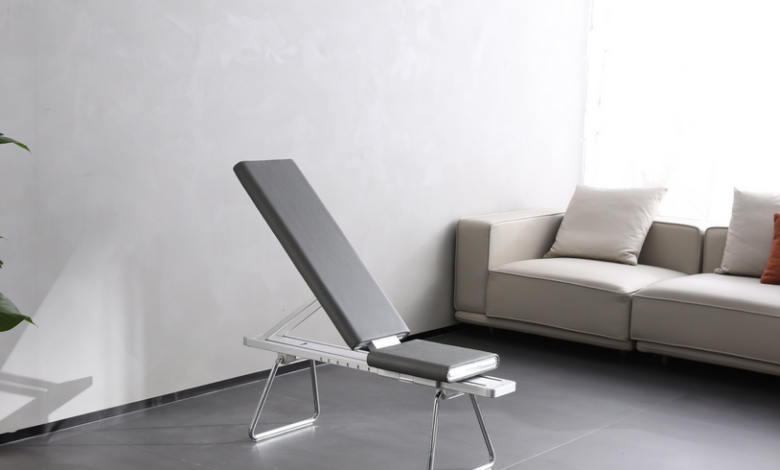
Home workouts have surged in popularity, and for good reason — convenience, privacy, and zero commute time make exercising at home genuinely appealing. But for those living in apartments or smaller homes, the bedroom often doubles as the only available space for fitness. That creates a real challenge: how do you build an effective workout environment without turning your sleeping space into an obstacle course?
The answer lies in choosing the right equipment. Bulky machines and sprawling weight racks simply don’t belong in a bedroom, but that doesn’t mean you have to sacrifice results. The AEKE Fitness Bench B1 offers a compact, multi-functional solution that fits naturally into limited spaces while delivering the versatility needed for a complete workout routine.
This guide walks you through every practical step — from evaluating your bedroom layout and assembling the bench, to designing effective workout routines that make the most of what you have. Whether you’re a beginner building your first home gym in bedroom ideas or someone looking to upgrade a cramped setup, you’ll find actionable advice here to help you train smarter, not harder.




Assessing Your Bedroom Space for a Home Gym
Before moving a single piece of furniture, take stock of what you’re actually working with. Measure your room’s total floor area, then identify how much of it is genuinely usable — accounting for the bed, dresser, nightstands, and any other fixed elements. Most bedrooms offer at least a small clear zone near a wall or at the foot of the bed, and that’s often enough to work with. Sketch a rough layout on paper so you can experiment with arrangements without the physical effort of moving heavy furniture repeatedly. Pay attention to ceiling height too, especially if you plan on any overhead pressing movements. Safety matters here: ensure your workout zone has enough buffer space on all sides to prevent accidental contact with walls or furniture during exercises, and keep pathways to doors clear at all times.
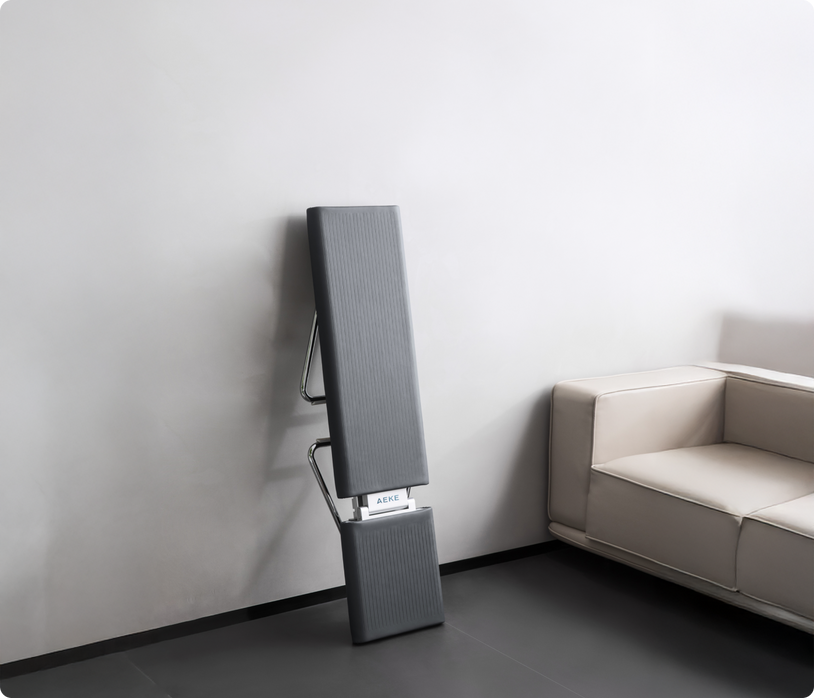
Rearranging furniture strategically can unlock surprising amounts of space. Pushing the bed against a wall, swapping a large dresser for a vertical wardrobe, or removing a rarely-used chair can easily free up a 6×8 foot zone — sufficient for a bench and a full-body routine.
Key Strategies for Maximizing Small Spaces
The golden rule for bedroom gyms is choosing equipment that earns its floor space through versatility. A single adjustable bench replaces the need for multiple specialized pieces. Always measure your intended equipment footprint before purchasing, then tape that outline on your floor to visualize the real impact. Designate one specific corner or wall section as your workout zone — keeping it visually and physically distinct from your living and sleeping areas helps maintain both motivation and mental separation between rest and exercise.
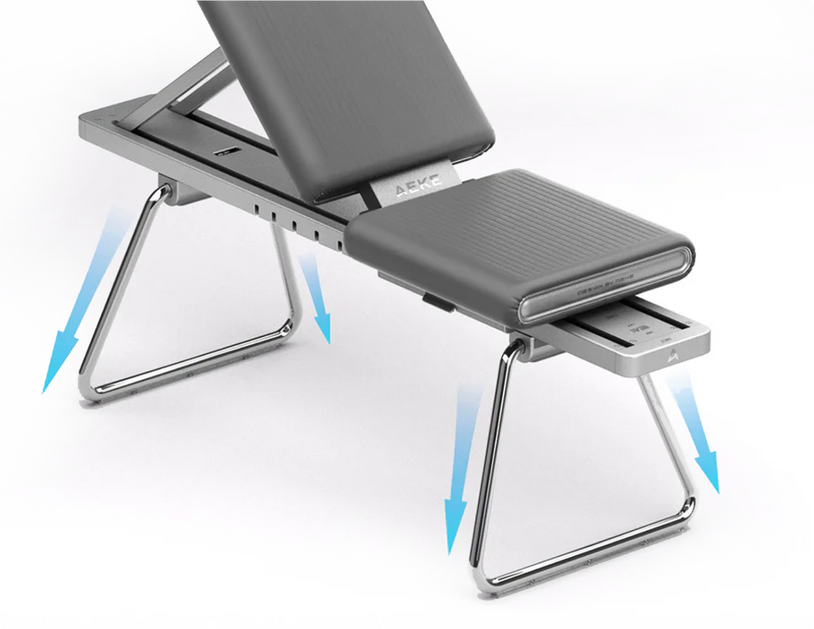
Introducing the AEKE Fitness Bench B1: A Durable and Versatile Core Equipment
When space is limited, every piece of equipment needs to justify its presence. The AEKE Fitness Bench B1 does exactly that — it’s engineered specifically for users who want serious training capability without dedicating an entire room to fitness. Built with a heavy-duty steel frame and high-density foam padding, the B1 handles demanding workouts while remaining light enough to reposition easily between sessions. Its compact footprint means it slides neatly beside a bed or tucks against a wall when not in use, making it one of the most practical choices for bedroom gym setups available today.
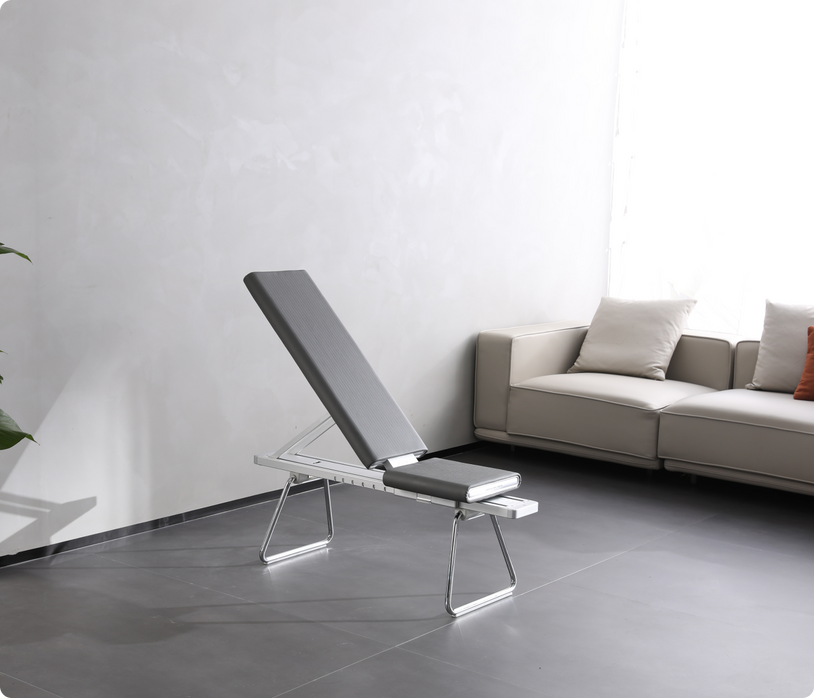
What genuinely sets the B1 apart from basic flat benches is its adjustable backrest system, which supports multiple incline positions. This single feature transforms the bench from a one-dimensional surface into a versatile training station capable of supporting dozens of different exercises. Whether you’re targeting upper chest with incline presses, working your core on a decline, or using it as a seated support for shoulder work, the B1 adapts without requiring additional equipment purchases. For anyone serious about building a functional bedroom gym, that kind of flexibility is invaluable.
The bench also prioritizes stability — non-slip feet keep it firmly grounded during dynamic movements, which matters considerably when you’re training on bedroom flooring rather than a dedicated gym surface. Durability is built into the design rather than treated as an afterthought, meaning the B1 holds up to consistent daily use without wobbling or degrading over time.
Benefits of the Multi-Angle Backrest for Enhanced Workouts
The multi-angle backrest is the B1’s most workout-transforming feature. By adjusting the backrest through its available positions — from flat through various incline angles — you effectively change which muscle groups bear the primary load during each exercise. Incline settings shift emphasis toward the upper chest and anterior deltoids during pressing movements, while a flat position engages the full chest and triceps more evenly. For users incorporating dumbbells or resistance bands, these angle variations create meaningful training diversity without requiring separate equipment for each muscle group.
Beyond strength training, the adjustable backrest supports flexibility and recovery work. Using a low incline as a supported stretch surface helps open the chest and shoulders after pressing sessions. Seated positions at various angles allow for controlled core exercises, dumbbell curls, and overhead work — all from a stable, supported base. This versatility is particularly valuable in bedroom gyms where floor space limits your ability to move freely between different exercise positions. Rather than constantly rearranging your setup, a single backrest adjustment shifts your entire training focus, keeping workouts efficient and your space organized.
Step-by-Step Guide to Setting Up Your AEKE Fitness Bench
Once you’ve identified your workout zone, setting up the AEKE Fitness Bench B1 is straightforward. Start by clearing the designated area completely — remove any rugs that might shift underfoot, and if your bedroom has hardwood or tile flooring, place a thin rubber mat beneath the bench’s feet for added grip and floor protection. Position the bench so you have at least two feet of clearance on each side and enough room behind your head for safe dumbbell work. Orienting the bench parallel to the longest wall typically preserves the most open floor space around it. Before your first session, run through a quick stability check: sit on the bench, apply your body weight at different positions, and confirm there’s no rocking or flex in the frame. Tighten any bolts that feel even slightly loose — this takes two minutes and prevents bigger problems later.
To complement the bench without crowding your space, keep supplementary equipment minimal and stackable. A pair of adjustable dumbbells and a resistance band set cover the vast majority of exercises the B1 supports, and both store compactly under the bed or in a corner when not in use. Avoid the temptation to add equipment incrementally without a plan — each addition should serve multiple exercises, not just one.
Assembly, Adjustment, and Maintenance Tips
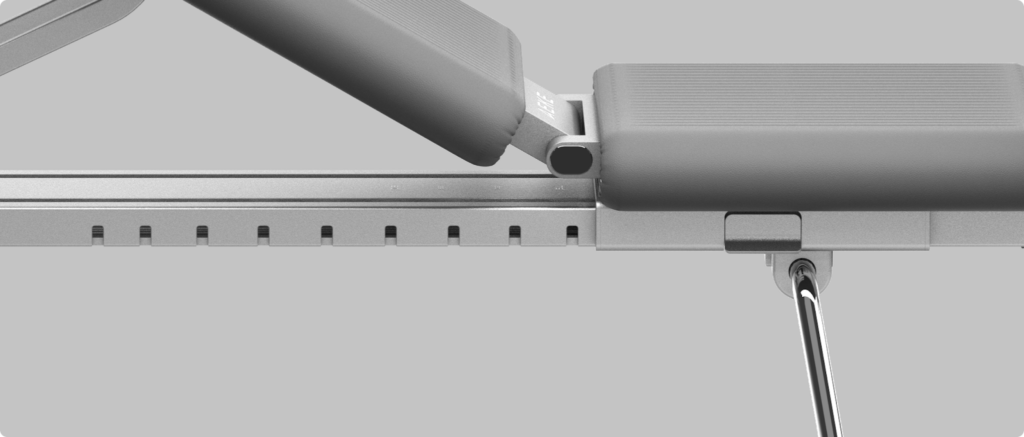
The B1 assembles quickly using the included hardware — most users complete the process in under 20 minutes. Lay all components out before starting, match each bolt to its designated location using the instruction diagram, and hand-tighten everything before applying final torque with the provided wrench. This prevents cross-threading and ensures even alignment across the frame. To adjust the backrest angle, locate the adjustment pin or lever beneath the pad, release it, move the backrest to your desired position, and confirm it locks firmly before loading any weight. Test each new angle with light resistance first. For ongoing maintenance, wipe down the foam padding after each session to prevent moisture buildup, and check all bolts monthly for tightening — regular use naturally causes minor loosening over time. Keeping the steel frame dry and occasionally wiping it with a lightly oiled cloth prevents surface oxidation and keeps the bench performing reliably for years.
Maximizing Home Workouts with AEKE Bench Features
The B1’s true value emerges when you pair its adjustable design with a thoughtful approach to exercise selection. With just the bench and a set of dumbbells or resistance bands, you can address every major muscle group without needing additional equipment. Incline positions open up upper chest presses, front raises, and supported rows, while a flat configuration suits classic chest presses, tricep extensions, and dumbbell flyes. For lower body work, the bench serves as an elevated surface for step-ups, Bulgarian split squats, and glute bridges — movements that require no extra gear and deliver significant strength gains. Resistance bands attach easily to the bench legs, adding pulling and rotational exercises that dumbbells alone can’t replicate. In a small bedroom, this kind of exercise density per square foot is exactly what makes the difference between a frustrating setup and a genuinely effective one.
Cardio and flexibility work integrate naturally as well. Short rest periods between strength sets keep your heart rate elevated, effectively combining strength and conditioning into a single session. After lifting, use a low incline position to perform supported chest openers and shoulder stretches — recovery work that’s easy to skip but pays dividends in long-term joint health.
Sample Exercise Routines for Bedroom Gyms
A practical three-day weekly split keeps training balanced without overloading recovery. Day one focuses on push movements: incline dumbbell press, flat bench chest press, seated overhead press, and tricep kickbacks — three sets of ten to twelve reps each. Day two targets pull and biceps: bent-over dumbbell rows using the bench for support, resistance band seated rows, and dumbbell curls performed seated at an upright backrest angle. Day three covers legs and core: step-ups, Bulgarian split squats with the rear foot elevated on the bench, and bench-supported planks. Rotate through this schedule with one rest day between sessions, and add a fourth optional day for full-body conditioning using circuit-style training — moving quickly between exercises with minimal rest. To avoid plateaus, increase dumbbell weight or resistance band tension every two to three weeks rather than adding volume indefinitely. Tracking your sets and reps in a simple notebook makes progression concrete and keeps motivation anchored to measurable results rather than vague effort.
Creating a Sustainable Home Gym Routine
Consistency separates people who see results from those who don’t, and in a bedroom gym, building sustainable habits matters more than any single workout. Start by anchoring your sessions to a fixed time — morning before work or evening after dinner — so training becomes a default rather than a decision. With a reliable foundation like the AEKE B1 bench already in place, expand your routine gradually by introducing resistance bands or an additional dumbbell pair only when your current equipment genuinely limits your progress. Track each session simply: exercise, sets, reps, and weight. That record becomes your roadmap for progression and your evidence of improvement on difficult days. To maintain motivation over months rather than weeks, rotate your three-day split periodically — swap exercise variations, adjust backrest angles, or change rep ranges to introduce novelty without overhauling your entire setup. Schedule one deload week every six to eight weeks, reducing intensity intentionally to allow recovery. A bedroom gym succeeds long-term not because of how much equipment fills it, but because the routine built around it is realistic, progressive, and genuinely yours.
Start Small, Train Smart: Your Bedroom Gym Is Within Reach
Setting up a home gym in your bedroom doesn’t require a massive budget or unlimited square footage — it requires smart choices. By carefully assessing your available space, rearranging furniture strategically, and anchoring your setup around a versatile piece of equipment like the AEKE Fitness Bench B1, you can build a genuinely effective training environment within the room you already have.
The B1’s adjustable backrest, stable frame, and compact footprint make it uniquely suited to bedroom gym setups where every inch counts. Paired with adjustable dumbbells and resistance bands, it supports a complete full-body routine across strength, cardio, and flexibility — no additional machines needed. The step-by-step guidance in this article gives you a clear path from empty floor space to a functional, sustainable gym.
The most important step is simply starting. Tape out your workout zone today, assemble your bench this weekend, and commit to that first three-day training week. Progress compounds quickly when your gym is ten feet from your bed and excuses run out of places to hide. Your bedroom is already there — now make it work for you.