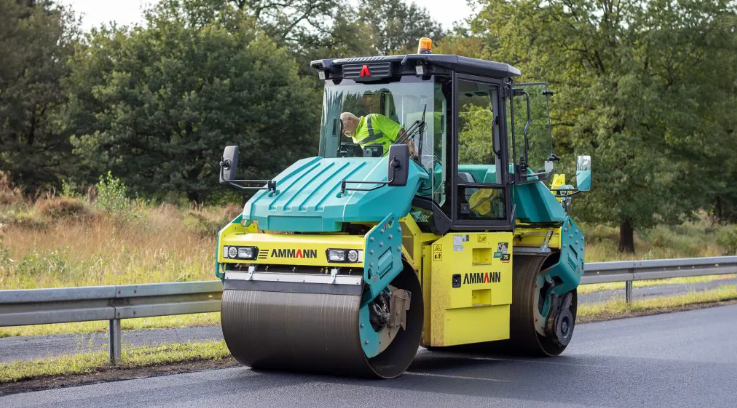
Asphalt pavement quality plays a major role in the safety, durability, and appearance of roads, parking lots, and driveways. One of the most important steps in achieving a strong and smooth surface is proper compaction. This is where an asphalt compactor becomes essential. Using the right compaction equipment ensures that the asphalt layer is dense, stable, and long-lasting. Below are the key benefits of using the Volvo DD128C asphalt compactor to improve pavement quality.
Improves Pavement Strength
An asphalt compactor increases the density of the asphalt mix by pressing out air pockets. When asphalt is properly compacted, the aggregate particles bind tightly together. This creates a stronger surface that can handle heavy traffic and loads without cracking or shifting. A dense pavement structure prevents premature wear and reduces the chances of potholes forming.
Enhances Durability And Lifespan
One of the biggest benefits of using an asphalt compactor is extending the life of the pavement. Loose or poorly compacted asphalt breaks down quickly due to traffic pressure and environmental factors. Proper compaction strengthens the pavement foundation, making it more resistant to erosion, temperature changes, and moisture damage. This helps roads and paved surfaces last many years longer with minimal repairs.




Creates A Smooth And Even Surface
Asphalt compactors help achieve a uniform and level pavement finish. A smooth surface improves driving comfort and safety by reducing bumps and uneven areas. This is especially important for highways, parking areas, and commercial spaces where consistent surface quality is expected. Good compaction also enhances the overall appearance of the pavement, making it look professional and well-maintained.
Prevents Water Penetration
Water infiltration is one of the main causes of pavement damage. When asphalt is not compacted properly, small gaps allow water to seep through. This weakens the base layers and leads to cracks and surface failure. An asphalt compactor seals the pavement surface tightly, reducing water penetration and protecting the underlying structure. This helps prevent long-term damage and costly repairs.
Increases Load-Bearing Capacity
Compacted asphalt can support heavier loads without deforming. This is important for roads used by trucks, buses, and construction vehicles. Proper compaction distributes weight evenly across the pavement, preventing rutting and surface depressions. Strong load-bearing capacity improves safety and reduces maintenance requirements over time.
Reduces Maintenance Costs
Well-compacted pavement requires fewer repairs. When the surface is dense and stable, it resists cracking, shifting, and surface breakdown. This lowers the need for frequent patching or resurfacing. By using an asphalt compactor during installation, contractors can help property owners save money on long-term maintenance and repairs.
Improves Safety For Drivers And Pedestrians
A smooth and stable pavement surface improves traction and reduces skidding risks. Proper compaction removes loose material that can cause slipping or uneven driving conditions. This makes roads safer for vehicles and walking areas safer for pedestrians. Good pavement quality also improves visibility by allowing road markings to remain clear and visible for longer periods.
Supports Environmental Sustainability
Using an asphalt compactor improves material efficiency. When asphalt is compacted correctly, there is less waste due to surface failures or early repairs. This lessens the impact on the environment and the requirement for extra raw resources. Long-lasting pavement also means fewer reconstruction projects, helping conserve resources and energy.
See also: Five Ways Businesses Can Adapt to Rapid Technological Advancements
Ensures Compliance With Construction Standards
Many road construction standards require specific compaction levels to ensure quality and safety. Asphalt compactors help contractors meet these requirements accurately. Proper compaction testing ensures the pavement meets industry regulations, preventing future legal or safety issues. This is especially important for public roads and commercial projects.
Boosts Project Efficiency
Modern asphalt compactors are designed for speed and precision. They help crews complete projects faster without compromising quality. Efficient compaction reduces labor time and speeds up construction schedules. Contractors who wish to complete projects on schedule while upholding high standards would benefit from this.
Conclusion
Using an asphalt compactor is essential for achieving high-quality pavement. From improving strength and durability to preventing water damage and reducing maintenance costs, the benefits are clear. Proper compaction ensures smooth surfaces, better load capacity, and longer pavement life. Whether for highways, parking lots, or residential driveways, an asphalt compactor plays a vital role in creating strong, safe, and long-lasting paved surfaces. Investing in the right compaction equipment leads to better performance and long-term cost savings, making it a crucial part of any paving project.