For individuals living with disabilities, the availability of appropriate support services is integral to their overall well-being and quality of life. Amongst these essential services, supported independent living (SIL) under the NDIS plays a crucial role in promoting the autonomy and independence of participants. However, not everyone has ready access to these necessary services. This article will explore the implications faced by individuals when supported independent living is not available in their area and what alternative measures can be taken to address their needs.
The Importance of Supported Independent Living
SIL, as it’s commonly known, is designed for people who require help or supervision with their daily tasks to live as independently as possible. The NDIS recognises the significance of such services in a person’s life. However, the geographic distribution of these services can be uneven, and not all locales offer SIL facilities or providers. The absence of such services can have several ramifications for disabled individuals seeking to maintain autonomy.
See also: How Invisalign Treatment Boosts Confidence and Oral Health




Challenges and Consequences
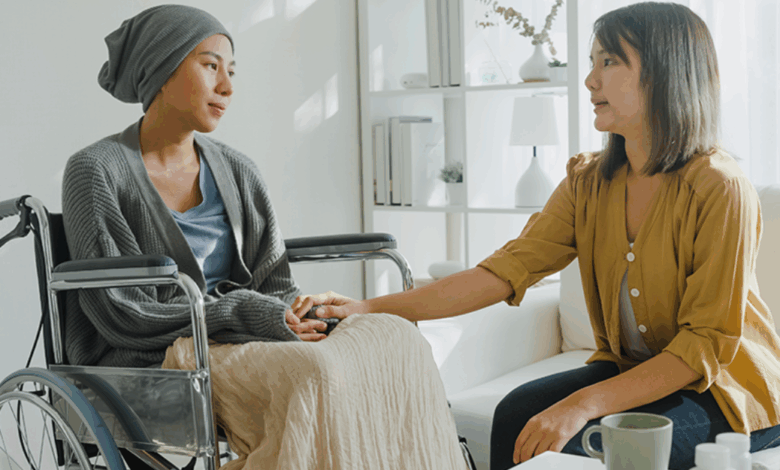
Without access to SIL, individuals may face increased dependence on family or friends, leading to strained relationships. It may also result in reduced opportunities for social engagement and community participation, which are vital for mental and emotional well-being. Moreover, this lack of support can hamper personal growth, skill development, and in some cases, it can even pose risks to the individual’s safety and health.
Identifying Alternative Solutions
When supported independent living options are scarce or non-existent, it becomes essential to explore alternatives. The primary goal is to find and implement a solution that best fits the individual’s needs while fostering independence and integration into the community.
One potential solution could be the utilisation of mainstream housing options coupled with in-home services, which provide various degrees of support tailored to the person’s needs. Another possibility is accessing community services that offer assistance with transportation, employment, and skill-building activities, which are crucial components of living independently.
Seeking Support and Advocacy
Finding the right information and assistance can be a complex task, necessitating clear navigation through local disability services and programmes. Engaging with disability advocacy groups can offer direction and support in seeking out alternatives. These organisations can also work towards raising awareness about the lack of services in certain areas, potentially leading to increased provision and funding for SIL.
The Role of Technology in Overcoming Barriers
Modern technology offers another avenue to mitigate the absence of physical SIL services. Telehealth services, online communities, and assistive technologies can provide support and connectivity that reduce isolation and facilitate independence.
At the heart of technology’s benefit is the ability to connect individuals to remote services that provide advice, counselling, and even virtual assistance with daily tasks, breaking down the barrier caused by limited local services.
Lobbying for Change
Alongside immediate solutions, it’s crucial for communities affected by the lack of SIL facilities to lobby for change at both the local and national levels. This involves dialogue with policymakers, the NDIS, and other stakeholders to highlight the need for and benefits of supported independent living provisions.
Ensuring that the voices of those with disabilities are heard can lead to policy changes, funding allocations, and the development of new SIL options within underserved areas.
The Potential for Residential Relocation
For some, relocating to an area with better support services may be an option. This decision, although significant, can provide the individual with the means to live a more independent and fulfilling life. The key is to weigh up the benefits of such a move against the challenges it may present, including leaving behind familiar environments and support networks.
Personalised Planning and Support Coordination
Engaging with a support coordinator can be invaluable in developing a personalised plan that takes into account the unique needs and circumstances of the individual. They can assist in locating and strategising how best to access the support needed to lead a more independent life.
Additionally, a well-informed support coordinator can help navigate the complexity of the NDIS and identify funding that may be directed towards alternative support arrangements, ensuring that the individual receives the best possible care and assistance.
Bridging the Gap with Community Networks
A strong, supportive, and inclusive community network can play a significant role in bridging the gap created by the absence of SIL services. Leveraging community resources, such as volunteer programmes and local charity initiatives, can provide the social and practical support needed by those individuals.
Communities can come together to fill the void, organising events and activities that promote inclusion and engagement, helping to reduce feelings of isolation and foster a sense of belonging.
Conclusion
The lack of supported independent living options in specific areas presents individuals with disabilities with significant challenges. Yet, with resolve and creativity, there are ways to adapt and find alternatives that cater to their needs. From the mobilisation of advocacy efforts and technology to support coordination and community initiatives, these strategies not only compensate for the unavailability of SIL but also work towards ensuring that support is eventually accessible to all who need it.
Campaigning for Accessible Services
In the long term, consistent campaigning for more accessible SIL services across all regions will be fundamental to bridging the current gaps in provision. As our society recognises and acts upon the varied needs of individuals living with disabilities, we move closer to a future where adequate support and independence are readily available to all, irrespective of their location.