Owning a home in Canada comes with unique challenges that require careful attention throughout the year. The dramatic seasonal transitions, from harsh winters to humid summers, place significant demands on your property’s exterior components. Understanding how to maintain your home through these changes protects your investment and ensures long-term durability.
Understanding the Impact of Canadian Seasons
The Canadian climate subjects residential properties to extreme conditions that few other regions experience. Temperature swings from minus thirty degrees Celsius in winter to plus thirty in summer create expansion and contraction cycles that stress building materials. Snow accumulation, ice formation, spring thaws, and summer storms each present distinct maintenance requirements that homeowners must address proactively.
These seasonal variations affect every exterior component of your property. Roofing materials expand and contract, siding endures freeze-thaw cycles, and drainage systems must handle everything from melting snow to torrential summer downpours. Neglecting seasonal maintenance leads to accelerated deterioration and potentially catastrophic failures that could have been easily prevented.



Winter’s harsh conditions leave lasting marks on residential properties. Salt residue from de-icing efforts corrodes metal components and stains concrete surfaces. Ice dams form along roof edges, potentially causing water infiltration under shingles. Snow weight stresses gutters and downspouts, while freeze-thaw cycles create cracks in masonry and concrete foundations.
Spring Maintenance Priorities
Spring represents the ideal time for comprehensive property assessment. As snow melts and temperatures stabilize, homeowners can finally evaluate winter’s impact and address emerging issues before they escalate. This critical inspection period sets the tone for the entire year’s maintenance schedule and helps identify priorities for immediate attention.
Begin your spring routine with a thorough walk-around inspection of your property’s perimeter. Look for signs of water damage, foundation cracks, damaged siding, or areas where snow accumulation may have caused structural stress. Pay particular attention to spots where ice and snow lingered longest, as these areas likely experienced the most severe freeze-thaw cycles.
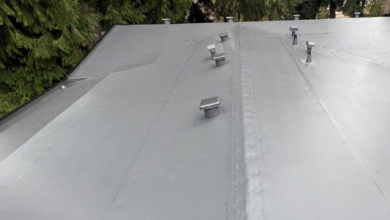
Roof inspection should be a top priority during spring maintenance. Winter conditions can dislodge shingles, damage flashing, and compromise the integrity of roof penetrations. Check for missing or damaged shingles, examine chimney flashing, and ensure all roof vents remain properly sealed. Early detection of roof issues prevents interior water damage that multiplies repair costs exponentially.
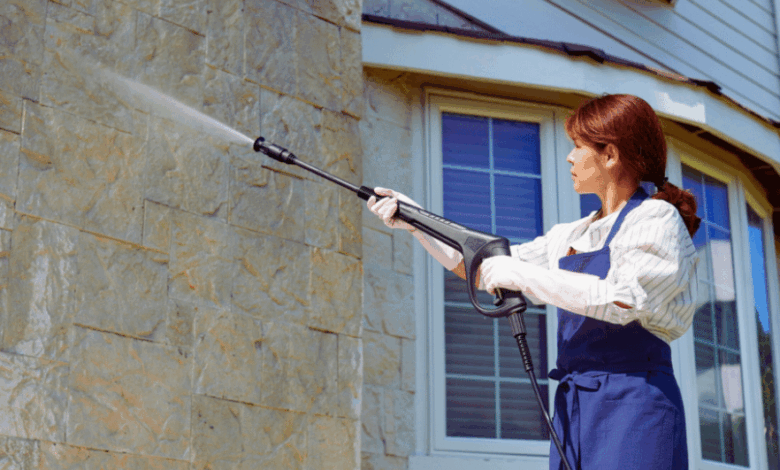
Exterior surfaces accumulate significant grime over winter months. Road salt, mud splatter, pollution, and organic matter create layers of contamination that not only look unsightly but can actually damage siding materials over time. Professional cleaning removes these harmful deposits while allowing you to inspect the underlying surfaces for damage that dirt might conceal.
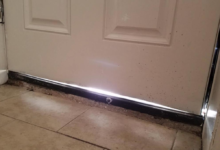
Windows and doors deserve careful attention after winter. Check weather stripping for compression or damage, inspect caulking around frames for cracks or gaps, and ensure all seals remain watertight. These components directly impact your home’s energy efficiency and comfort level throughout the coming months.
Summer Maintenance and Protection
Summer brings its own set of maintenance challenges that differ significantly from other seasons. High temperatures, intense UV radiation, violent thunderstorms, and increased humidity all affect your property’s exterior components. Addressing summer-specific issues protects your investment and prepares your home for the inevitable return of colder weather.
Vegetation management becomes crucial during summer months. Trees and shrubs grow rapidly, potentially encroaching on your home’s envelope. Overhanging branches can damage roofing materials, drop debris into gutters, and provide pathways for insects and rodents to access your home. Regular trimming maintains appropriate clearances and reduces maintenance burdens.
Drainage systems work overtime during summer storm season. Gutters and downspouts must handle intense rainfall that can overwhelm compromised systems. Ensure all drainage components function properly, directing water away from foundations and preventing erosion around your property. Clogged gutters during a summer thunderstorm can cause thousands of dollars in water damage within hours.
Summer’s heat and humidity create ideal conditions for mold, mildew, and algae growth on exterior surfaces. These biological contaminants don’t just affect appearance; they can deteriorate siding materials and create unhealthy conditions around your home. Regular cleaning and preventive treatments keep these problems in check and extend the lifespan of exterior components.
Air circulation around your home’s foundation prevents moisture accumulation that can lead to serious structural issues. Ensure proper grading directs water away from the building, maintain adequate clearance between soil and siding, and verify that foundation vents remain unobstructed. These simple measures prevent costly foundation repairs and basement moisture problems.
See also: On Time Home Experts Expands Professional Cleaning and Home Services Across Texas
Fall Preparation for Winter
Autumn represents your final opportunity to prepare your property for winter’s assault. Tasks completed during fall months directly impact how well your home weathers the coming cold season. Proactive preparation during these critical weeks prevents emergency situations when temperatures plummet and repair options become limited.
Gutter cleaning ranks among the most important fall maintenance tasks. Leaves, seeds, and organic debris accumulate rapidly during autumn, creating blockages that prevent proper drainage. When temperatures drop, trapped water freezes, potentially damaging gutters and creating ice dams that force water under roofing materials. Thorough cleaning before winter eliminates these risks.
Exterior surface preparation protects vulnerable materials from freeze-thaw damage. Seal cracks in concrete and masonry before winter, apply protective treatments to wood surfaces, and ensure all paint remains intact without peeling or blistering. Water that infiltrates through compromised surfaces will freeze, expand, and cause significant damage that requires extensive spring repairs.
Heating system maintenance ensures reliable performance during cold months while optimizing energy efficiency. Professional servicing identifies potential problems before they cause mid-winter breakdowns, cleans essential components, and verifies that all safety systems function correctly. This investment pays dividends through lower energy costs and reliable comfort.
Landscape winterization protects plants, irrigation systems, and outdoor living spaces from cold weather damage. Drain and winterize sprinkler systems, protect sensitive plantings, and store or cover outdoor furniture and equipment. These preparations extend the lifespan of your landscape investments and reduce spring cleanup requirements.
Professional Maintenance Services
While many homeowners possess the skills and motivation to handle basic maintenance tasks, certain jobs require professional expertise, specialized equipment, or simply more time than busy schedules allow. Recognizing when to engage professionals ensures thorough, safe completion of essential maintenance activities.
Professional services bring experience, efficiency, and proper equipment to maintenance tasks. Technicians can identify emerging problems that untrained eyes might miss, complete work more quickly than DIY approaches, and guarantee their results. This expertise proves particularly valuable for tasks involving heights, specialized cleaning techniques, or diagnosis of complex systems.
Safety considerations alone justify professional engagement for many maintenance activities. Working on ladders, accessing roofs, handling pressure washing equipment, and dealing with electrical components all present risks that professionals manage through training, experience, and proper insurance coverage. The cost of professional service pales in comparison to potential injury expenses or property damage from accidents.
Quality cleaning services by Entretien Squidgee demonstrate how professional maintenance exceeds typical DIY results. Trained technicians understand proper techniques for different materials, use commercial-grade equipment that delivers superior outcomes, and complete work efficiently without the learning curve homeowners face when attempting unfamiliar tasks.
Comprehensive maintenance programs offered by professional services ensure nothing gets overlooked. Rather than remembering individual tasks and scheduling separate interventions, homeowners benefit from systematic approaches that address all seasonal requirements at appropriate times. This organized methodology prevents forgotten tasks that lead to expensive problems.
Long-Term Benefits of Consistent Maintenance
Regular maintenance delivers financial benefits that far exceed the investment required. Properties receiving consistent attention maintain higher market values, require fewer emergency repairs, and provide more comfortable living environments. These advantages compound over time, making maintenance one of the most profitable investments homeowners can make.
Preventive maintenance costs a fraction of reactive repairs. Cleaning gutters twice yearly prevents foundation damage costing tens of thousands of dollars. Resealing a driveway extends its lifespan by years, delaying expensive replacement. These small, regular investments prevent catastrophic failures that strain budgets and disrupt lives.
Property value preservation depends heavily on maintenance history. Well-maintained homes attract better offers, sell faster, and justify premium pricing. Buyers recognize signs of neglect and adjust their offers accordingly, often demanding more concessions than the deferred maintenance would have cost. Consistent upkeep protects your largest financial asset.
Conclusion
Seasonal home maintenance represents an essential responsibility for Canadian homeowners facing diverse and challenging climate conditions. By understanding seasonal impacts, addressing maintenance systematically, and engaging professional services when appropriate, property owners protect their investments while ensuring safe, comfortable living environments. The commitment to regular maintenance delivers returns through preserved property value, prevented expensive repairs, and enhanced quality of life throughout the changing seasons.