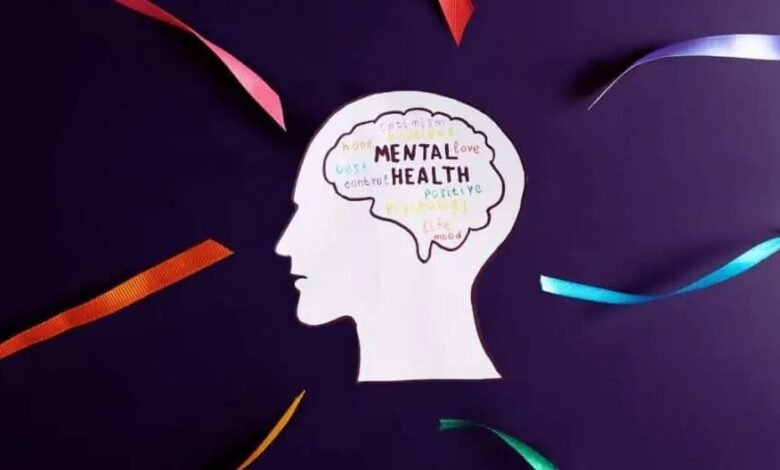
Mental health treatment has moved to the forefront of national discussion in recent years, but millions of Americans continue to struggle with access to care. From rising anxiety and depression rates to the growing awareness of trauma-informed approaches like EMDR therapy, the need for effective, accessible treatment is more pressing than ever. Communities nationwide, including those supported by therapists in Bergen County, are working to close the gap, but the question remains: are we truly doing enough?
A Growing Mental Health Crisis
Across the United States, mental health challenges are impacting nearly every age group. According to the National Institute of Mental Health, almost one in five U.S. adults lives with a mental illness. Yet despite these numbers, many individuals never receive treatment. Cost, stigma, and a shortage of providers often stand in the way.
Children and adolescents face their own unique challenges. Social media, academic pressures, and the lingering effects of the pandemic have led to an alarming increase in anxiety and depression among younger populations. Adults, too, struggle with stressors ranging from workplace burnout to financial insecurity, fueling the need for anxiety therapy and other forms of targeted care.




Expanding Access Through Outpatient Mental Health Services
Hospitalizations for mental health conditions are necessary in severe cases, but for many individuals, outpatient mental health services provide a practical and effective option. Outpatient programs allow patients to receive therapy and support while continuing to live at home, work, or attend school.
This flexibility makes treatment more accessible to people balancing multiple responsibilities. Outpatient settings often include individual therapy, group sessions, medication management, and even specialized services for trauma or addiction. By reducing costs and improving convenience, outpatient mental health care helps reach people who might otherwise go untreated.
The Role of Local Therapists
Community-based providers play a critical role in bridging treatment gaps. In regions like Bergen County, local therapists are essential in helping residents access care without traveling long distances or enduring long waitlists.
Therapists in Bergen County specialize in a wide range of approaches, including cognitive behavioral therapy, mindfulness-based practices, and family therapy. By tailoring sessions to individual needs, they create pathways for healing that feel both accessible and personalized. For many people, the presence of nearby professionals reduces barriers and encourages them to begin therapy sooner.
EMDR Therapy: A Breakthrough for Trauma
While talk therapy remains a cornerstone of treatment, innovative approaches like EMDR therapy (Eye Movement Desensitization and Reprocessing) are changing outcomes for trauma survivors. Developed in the late 1980s, EMDR uses guided eye movements and other forms of bilateral stimulation to help patients reprocess traumatic memories in a way that reduces their emotional impact.
Research shows that EMDR therapy can produce results more quickly than traditional approaches, making it particularly valuable for those with post-traumatic stress disorder (PTSD). Veterans, survivors of abuse, and individuals who have experienced significant loss often report substantial relief after undergoing EMDR therapy.
In Bergen County and beyond, therapists trained in EMDR are offering clients a powerful alternative to standard care, one that is both evidence-based and increasingly sought after.
Anxiety Therapy: Meeting America’s Most Common Need
Anxiety disorders are the most common mental health concern in the United States, affecting more than 40 million adults each year. Symptoms can range from persistent worry and racing thoughts to physical issues like rapid heartbeat and shortness of breath. Left untreated, anxiety can interfere with work, relationships, and overall quality of life.
Anxiety therapy offers structured support for these challenges. Techniques like exposure therapy, relaxation training, and mindfulness can help patients manage symptoms and regain control over their daily lives. Therapists often combine these methods with lifestyle recommendations, such as improving sleep, exercise, and nutrition, to create a holistic treatment plan.
By integrating anxiety therapy into outpatient programs and private practices, providers are giving millions of Americans the tools they need to manage one of the most widespread mental health struggles.
Barriers That Still Exist
Despite progress, the reality is that not all Americans have equal access to care. Rural communities often lack qualified providers, and insurance coverage can be inconsistent. Even when therapy is available, stigma continues to discourage some individuals from seeking help.
Therapists in Bergen County and other well-served regions may offer a model of how localized, specialized care can make a difference. However, until similar resources are distributed nationwide, many people will continue to face obstacles in obtaining meaningful mental health treatment.
Why Awareness Is Not Enough
Public conversations about mental health have expanded significantly in the past decade. Celebrities, athletes, and community leaders regularly speak out about their own experiences, helping to normalize therapy and reduce stigma. While this is an important step, awareness alone cannot address systemic issues like underfunded mental health programs or shortages of trained providers.
To truly make progress, investments must be made in workforce development, insurance coverage, and infrastructure for outpatient mental health services. Without these changes, awareness risks becoming a hollow effort.
The Path Forward
America is at a turning point in its approach to mental health. The demand for mental health treatment is growing rapidly, and while innovative methods like EMDR therapy and targeted services like anxiety therapy are offering hope, accessibility remains a challenge. Local providers, including therapists in Bergen County, demonstrate how personalized and community-based care can make a real difference.
But to answer the question “Are we doing enough?” honestly, the answer is still no. True progress will require greater investment in outpatient infrastructure, expanded insurance coverage, and a nationwide commitment to reducing barriers. Only then can we ensure that every individual, not just those with the right resources or location, has access to the care they deserve.