Complete Guide to Creating Your Dream Garden Room: Expert Tips for Design and Construction


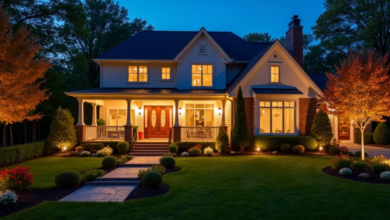
A garden room can transform any outdoor space into a functional and relaxing area tailored to personal needs. Whether for work, leisure, or entertaining, creating the perfect garden room requires careful planning and attention to detail.
The complete guide breaks down every essential step—from choosing the right location and materials to designing the interior and managing costs—to help readers build garden rooms that suit their lifestyle. By understanding what’s involved, anyone can make informed decisions and avoid common pitfalls.
This guide supports those who want a practical and enjoyable space, offering clear advice on design, construction, and maintenance. It makes the process accessible, no matter the reader’s level of experience.


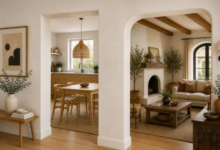
Planning and Designing Your Dream Garden Room
Effective garden room design starts with clear intentions for the space and a detailed understanding of the outdoor area. Combining practical needs with aesthetic considerations ensures a balanced, functional garden room that complements the home and landscape.
Defining the Purpose: Office, Retreat, or Guest Room
Identifying the primary function of the garden room is key for planning. If it’s a home office or garden office, considerations include desk space, natural light for productivity, electrical outlets, and internet connectivity.
For a retreat or creative studio, focus shifts to comfort, privacy, and inspiring surroundings. The layout might feature large windows, calming colors, and versatile furniture.
A guest room requires attention to insulation, access to amenities, and privacy. It must balance comfort with practicality, including storage and easy entry.
See also: Navigating Home Ownership: From First Home Buyer Loans to Property Investment Strategies
Assessing Your Outdoor Space
Measuring the available outdoor space accurately impacts both the size and style of the garden room. Take into account sun exposure, drainage, existing plants, and boundary limits.
Check local regulations and planning permission requirements early to avoid delays. Some areas may restrict building size or require specific materials to maintain neighborhood aesthetics.
Consider how the garden room will interact with its surroundings. Placement near trees or open areas can influence natural light and temperature within the structure.
Creating Garden Room Plans and 3D Models
Detailed garden room plans help visualize the final structure and inform practical decisions. These plans include dimensions, window and door placement, and layout of internal features.
Using an interactive 3D model allows for experimentation with styles, materials, and interior arrangements before construction begins. It improves communication with builders and helps adjust for aesthetic appeal.
Garden room plans should be adaptable to changes in purpose or design preferences. This flexibility assists in incorporating future upgrades or technology into the space.
Building and Finishing Your Garden Room
A well-constructed garden room starts with a stable foundation and continues through insulation, natural lighting, and utilities. Every element from the base to heating should align with the intended use and budget.
Foundation Solutions: Concrete Slabs, Ground Screws, and More
Choosing the right foundation is critical for stability and longevity. Concrete slabs provide a strong, level base that suits most soil types and heavier garden room builds. They require precise groundwork and drainage planning to avoid moisture issues.
Ground screws offer a faster, less invasive alternative. They are ideal for uneven terrain and cause minimal disruption to the garden. Installation is simpler and often better for DIY garden room projects.
Other options include timber decks or paved bases, but these need careful assessment for durability and maintenance. The chosen foundation affects garden room cost and future upkeep directly.
High-Performance Insulation and Energy Efficiency
Effective insulation keeps the garden room warm in winter and cool in summer. Rigid foam boards are the preferred interior insulation due to their moisture resistance and high R-values, enhancing energy efficiency significantly.
Walls typically use insulated plasterboard combined with wood or composite cladding for weather protection. A fully insulated garden room reduces heating costs and improves comfort.
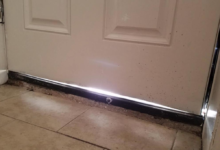
Roof and floor insulation is equally important. Multi-layer construction using breathable membranes can prevent condensation without compromising thermal properties. Energy-efficient design should also include airtight sealing around joints and window frames.
Optimizing Natural Light with Windows and Doors
Natural light enhances usability and reduces electricity dependence. Double-glazed windows ensure thermal retention while allowing ample daylight. Positioning windows to capture southern or eastern sunlight benefits year-round use.
Bi-fold or French doors expand living space visually and physically, creating seamless indoor-outdoor flow. Frame materials like uPVC or aluminum offer low maintenance and durability.
Careful planning of window size and placement balances light with privacy and insulation needs. Overhangs or external blinds can control solar gain in hot months, contributing to energy efficiency.
Heating, Ventilation, and Electricity Options
Heating solutions depend on garden room size and insulation quality. Electric heaters are common for self-build garden rooms due to ease of installation and control. Options include wall-mounted convectors or infrared panels.
Ventilation prevents damp and maintains air quality. Passive vents or mechanical systems can be installed, especially if the space is used for hobbies or office work.
Electrical setup must cover lighting, heating, and power outlets safely. Installation should follow local regulations and consider future needs like internet wiring or security systems. Proper drainage around the building protects electrical components.